
Why People Get Tattoos in Atlanta During Major Life Transitions
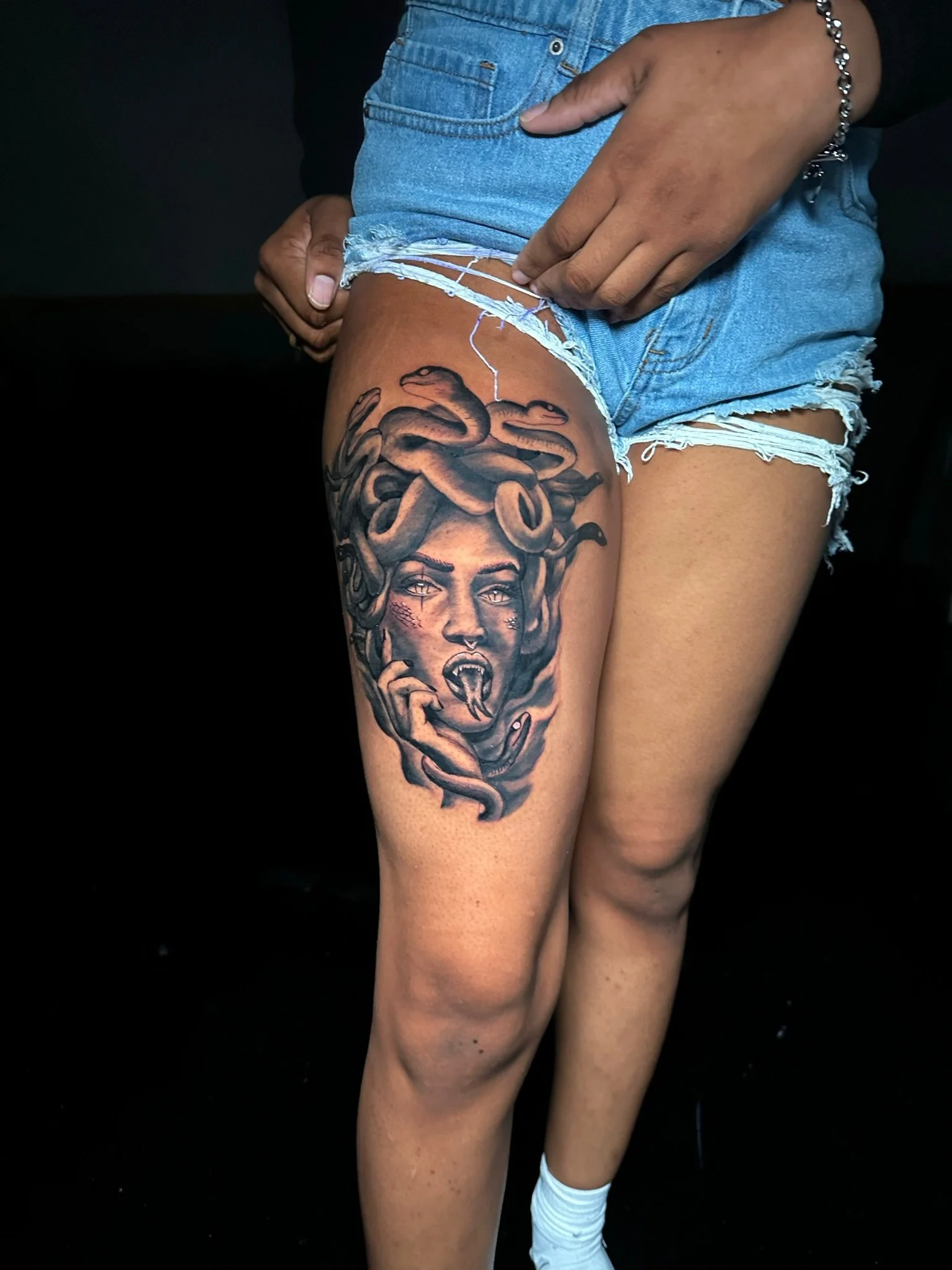
A new job. A major move. The end of a relationship. A personal achievement. A loss. A decision to start over.
Major life transitions often change the way people see themselves, their priorities, and their future. For some people, getting a tattoo becomes part of that process. The design may represent a chapter that has ended, a lesson they want to remember, or an identity they are beginning to embrace.
In Atlanta, a city shaped by different communities, creative influences, neighborhoods, and personal stories, tattoos can become a form of self-expression that reflects an individual's experiences.
Not every tattoo needs a deep meaning, and not every person gets tattooed to mark a life event. Some simply like the artwork. Others use the experience to make a private feeling visible.
So, why do people choose to get tattoos during major life transitions, and how can they create a design that remains meaningful beyond the moment?
The answer often involves identity, memory, control, personal expression, and the desire to give a significant experience a lasting visual form.
1. Tattoos Can Mark the End of One Chapter and the Start of Another
Life transitions can create a clear sense of before and after.
Someone may move to Atlanta for a new career, leave a long-term relationship, finish school, or begin a different stage of adulthood. A tattoo can become a personal marker of that change.
The design does not need to describe the entire experience. A small symbol, date, phrase, image, or abstract composition may be enough to represent what the person wants to remember.
Examples of transition-inspired tattoos
A flower representing growth.
A landscape connected to a new home.
A date marking a major achievement.
A symbol associated with independence.
A personal phrase about resilience or change.
An abstract design representing a fresh start.
The meaning comes from the individual, not just the image itself. Two people can choose the same symbol and associate it with completely different experiences.
When planning custom tattoos in Atlanta, consider what the design represents to you personally instead of choosing an image only because it is popular online.
2. A Tattoo Can Help People Express a Changing Identity
People do not remain exactly the same throughout their lives. Their values, interests, relationships, careers, and priorities can shift.
A tattoo may reflect an identity that someone has recently discovered or decided to express more openly. This can include a creative interest, cultural connection, personal belief, career milestone, or change in how the person understands themselves.
For some clients, the tattoo is not about becoming a completely different person. It is about acknowledging a part of themselves that was already present but had not previously been expressed through body art.
Questions to consider before choosing a design
Does this design reflect something that matters to me?
Am I choosing it because I genuinely like it?
Will I still connect with the idea if my circumstances change?
Does the style suit how I want to express myself?
Is the design personal without needing to explain everything to other people?
A meaningful tattoo can evolve in significance over time. Its meaning does not have to remain fixed.
3. New Beginnings Can Inspire a First Tattoo
Some people choose their first tattoo after a major personal milestone. The decision may follow graduation, a new job, moving to a new city, recovering from a difficult period, or reaching a goal that once seemed out of reach.
For a first-time client, the tattoo may feel like a way to recognize personal growth.
However, a life transition does not mean someone needs to get tattooed immediately. It is reasonable to take time to explore the concept, consider placement, and decide if the design still feels right after the initial excitement has settled.
A thoughtful approach to a milestone tattoo
Instead of rushing to book the first available appointment:
Write down what you want the tattoo to represent.
Collect visual references that match the feeling.
Consider different styles and sizes.
Think about how the design will fit the selected body area.
Discuss the concept with an experienced artist.
Allow enough time to make a considered decision.
The goal is to create a tattoo that feels intentional, not to turn an emotional moment into pressure to act quickly.
4. Tattoos Can Represent Independence
Major life changes sometimes involve taking ownership of personal decisions. Someone may leave home, become financially independent, end an unhealthy relationship, or choose a path that differs from family expectations.
A tattoo can represent that sense of ownership.
This does not mean that every tattoo is an act of rebellion. Many people simply enjoy having control over how they present themselves. Choosing the artwork, placement, and style can become a personal decision that belongs to the individual.
Independence does not require a dramatic design
A tattoo representing independence might be:
A subtle symbol.
A small piece of lettering.
An animal associated with strength.
A custom geometric design.
An image connected to freedom or movement.
A larger piece that reflects a long-term creative vision.
The design should fit the person receiving it. A private, minimalist tattoo can carry as much personal significance as a large, highly detailed composition.
5. Some Tattoos Help People Remember Important People
Memorial tattoos are another reason people choose body art during major life transitions. The loss of a family member, friend, partner, or pet can leave someone looking for a personal way to preserve a memory.
A memorial tattoo may include a name, date, handwriting, portrait, flower, animal, location, or object associated with the person who died.
Meaning matters more than complexity
A memorial tattoo does not need to be elaborate to be significant. Sometimes a small detail carries more meaning than a highly realistic image.
For example, someone may choose:
A handwritten note.
A favorite flower.
A meaningful date.
A shared symbol.
A landscape connected to a memory.
A portrait or realistic representation.
If you are considering a memorial design, discuss the level of detail, size, placement, and style with an artist who has relevant portfolio experience. Portraits and fine details require careful planning, particularly when the design needs to remain readable over time.
A memorial tattoo is a personal decision, and there is no required timeline for getting one.
6. Tattoos Can Help People Reclaim Personal Stories
Some life experiences can change how a person relates to their body or personal history. A tattoo may become one way to express ownership, resilience, or a new relationship with an experience.
This can include tattoos connected to recovery, personal growth, overcoming a difficult period, or moving forward after a significant event.
It is important not to assume that a tattoo automatically resolves emotional pain or serves as a substitute for support. Its role varies from person to person.
For some, the tattoo is a visual reminder of something they have learned. For others, it is simply artwork that now forms part of their personal story.
Consider the message you want the tattoo to carry
Ask yourself:
What part of my experience do I want to remember?
Is there a symbol that feels more appropriate than text?
Do I want the tattoo to be private or easily understood?
Am I comfortable with the design even if my feelings change?
Would I prefer a subtle reference instead of a literal image?
Working with an artist during a can help translate an abstract idea into a visual concept.
7. Atlanta's Creative Culture Can Influence Tattoo Choices
Atlanta has a broad creative landscape shaped by music, fashion, visual art, neighborhood culture, and individual forms of self-expression. People living in and around the city may draw inspiration from their surroundings, personal communities, and experiences.
A tattoo inspired by Atlanta does not have to use an obvious city symbol. It might reflect a neighborhood memory, a creative influence, a meaningful location, or a personal connection to the city.
Local inspiration can take different forms
Someone might incorporate:
A meaningful Atlanta location.
A skyline or architectural element.
A botanical design inspired by the region.
A visual reference connected to music or art.
A symbol representing a community or personal experience.
A design inspired by moving to or growing up in the Atlanta area.
The strongest local connection is often personal rather than decorative. A design becomes more meaningful when the location or reference has a specific significance to the person receiving the tattoo.
When reviewing Atlanta tattoo artists, look for artists whose portfolios reflect the style and level of customization you want.
8. Relationship Changes Can Influence Tattoo Decisions
The end of a relationship can lead people to reconsider how they see themselves and what they want to carry forward. Some may choose a tattoo to mark a new chapter, while others may want to cover, modify, or reinterpret an existing design.
A relationship-related tattoo requires additional thought, particularly when the original design includes a name, initials, portrait, or shared symbol.
Think beyond the immediate emotion
If you are considering a tattoo soon after a major relationship change, give yourself time to decide what you genuinely want.
You might ask:
Is this design connected to my own identity?
Am I choosing it for long-term personal meaning?
Would I still want it if I no longer felt strongly about the situation?
Am I interested in a cover-up, redesign, or completely new tattoo?
Have I discussed the practical options with an experienced artist?
A cover-up or redesign may require specific planning because the original tattoo affects the available design, shading, and placement. An artist should assess the existing work before promising a particular result.
9. Career and Personal Achievements Can Become Tattoo Milestones
Graduation, professional accomplishments, completing a demanding project, or reaching a long-term personal goal can all inspire tattoo ideas.
For some people, a tattoo acts as a reminder of the effort behind an achievement. For others, it celebrates a new direction or the beginning of a different professional chapter.
The tattoo does not have to show the achievement literally. A symbol, date, phrase, or custom illustration can communicate the idea in a more personal way.
Make the design adaptable
If you are commemorating a career or educational milestone, consider how the design will fit your current lifestyle and future plans.
Think about:
Placement and workplace considerations.
The level of detail you want.
The tattoo's size and visibility.
The style that best communicates the idea.
How the design might fit with future tattoos.
A consultation can help you compare different placements and create a design that works with your broader tattoo plans.
10. The Tattoo Process Can Create a Sense of Personal Control
During major life transitions, people sometimes experience uncertainty. Decisions involving work, relationships, relocation, finances, or family can involve circumstances outside their control.
Choosing a tattoo is one decision that can be personal and intentional. The individual can select the design, placement, artist, and timing.
That sense of control may be part of the appeal, but it is important to keep expectations realistic. A tattoo cannot guarantee emotional closure or change the outcome of a difficult situation.
The process can still be meaningful because it allows someone to make a considered creative decision about their own body.
Take ownership of the process
Personal control can include:
Choosing an artist whose work you trust.
Asking questions about hygiene and safety.
Taking time to approve the design.
Understanding the price before booking.
Selecting a placement that feels comfortable.
Following aftercare instructions during healing.
Tattooing breaks the skin, so hygiene and equipment safety deserve careful attention. The FDA's tattoo safety guidance explains that infections may result from contaminated ink or equipment that has not been properly sterilized.
The Mayo Clinic's tattoo safety recommendations also advise clients to ask about fresh gloves, sealed needles, single-use ink cups, and the sterilization of reusable equipment.
Before your appointment, ask the studio to explain its safety procedures. You should feel comfortable raising questions about hygiene without being pressured to book immediately.
How to Turn a Life Transition Into a Meaningful Tattoo Concept
A life experience is often complicated, while a tattoo needs to be translated into a visual form. The artist's role is to help you explore that translation without losing the personal meaning behind the idea.
Use this process to develop your concept.
Step 1: Identify the central meaning
Try to summarize the transition in one or two words. Examples include:
Growth
Freedom
Memory
Courage
Renewal
Independence
Belonging
Gratitude
Change
These words can guide the design without forcing you to choose a literal symbol.
Step 2: Collect visual references
Look for artwork, objects, patterns, photographs, architecture, plants, or symbols that reflect the feeling you want to communicate.
Reference images should communicate your preferences, not serve as a demand for an exact copy of another artist's work.
Step 3: Choose a suitable tattoo style
Your concept may work well as realism, traditional, fine-line, blackwork, illustrative, geometric, or another style. The style affects how the image is constructed and how much detail can be included.
Review an artist's portfolio before choosing a style based solely on an online reference.
Step 4: Consider placement and longevity
Think about the size required for the design to remain clear. Tiny details, fine lettering, and complex illustrations may need more space than expected.
Discuss how the tattoo may age and how the placement affects visibility, movement, friction, and aftercare.
Step 5: Give yourself time to review the concept
A meaningful tattoo can be personal without being rushed. Allow time to review the idea, ask questions, and make changes before the appointment.
If you feel uncertain, it is reasonable to postpone the booking until the design and timing feel appropriate.
Should You Get a Tattoo During an Emotional Transition?
There is no universal right or wrong time to get a tattoo. The decision depends on your circumstances, the design, your comfort level, and your ability to make an informed choice.
It may be helpful to slow down if you feel pressured to get tattooed immediately, are unsure about the design, or are considering a permanent tattoo mainly as an impulsive response to a difficult event.
Before booking, consider:
Do I genuinely want this tattoo?
Have I thought about the design beyond the current moment?
Can I comfortably afford the appointment and aftercare?
Have I researched the artist and studio?
Am I comfortable with the placement?
Do I understand the healing requirements?
Have I had enough time to ask questions and review the design?
A meaningful tattoo does not lose its value simply because you take time to plan it.
What to Discuss With Your Atlanta Tattoo Artist
When you arrange a consultation, explain the general meaning behind the design if you feel comfortable doing so. You do not need to share private details that you would rather keep to yourself.
An artist can work with a broad concept, a specific reference, or a combination of visual ideas.
Ask about:
The artist's experience with your preferred style.
Recommended size and placement.
Design development and revisions.
Estimated appointment duration.
Pricing and deposit requirements.
Expected healing process.
Aftercare instructions.
Future additions or how the design may fit into a larger project.
Communication should continue from your first inquiry through the consultation and aftercare process. If you are exploring tattoo services in Atlanta, ask how the studio handles design submissions, artist selection, appointment scheduling, deposits, and follow-up questions.
A studio does not need to respond instantly to every message, but its booking instructions and policies should be clear. Confirm important details in writing before paying a deposit.
Final Thoughts
People get tattoos during major life transitions for many different reasons. Some want to commemorate a milestone. Others want to remember someone, express a changing identity, mark a new beginning, or create a personal symbol connected to a difficult experience.
In Atlanta, those choices may also reflect local connections, creative influences, and individual stories. However, the meaning of a tattoo ultimately belongs to the person wearing it.
If you are exploring different concepts, review the tattoo services available in Atlanta to help identify the type of artwork you want to discuss with your chosen artist.
A tattoo does not need to explain your entire story to anyone else. It can simply be a piece of art that reminds you of something important.
Frequently Asked Questions
1. Why do people get tattoos during major life transitions?
People may get tattoos to commemorate milestones, express a changing identity, remember someone, represent personal growth, or mark a new chapter. Others simply enjoy the artwork and choose to get tattooed during a period of change.
2. What are meaningful tattoo ideas for a new beginning?
Ideas can include flowers, landscapes, abstract designs, personal symbols, dates, lettering, or imagery connected to growth and independence. The best concept depends on the individual's experience and preferred tattoo style.
3. Should I wait before getting a tattoo after a major emotional event?
Taking time to consider the design can be helpful, particularly if the decision is impulsive or strongly connected to immediate emotions. There is no universal waiting period, but you should feel comfortable with the concept, placement, cost, and long-term decision.
4. Can an Atlanta tattoo artist help turn a personal story into a design?
Yes. A tattoo artist can discuss your concept, recommend visual approaches, and help adapt the design to your preferred style and placement. Review the artist's portfolio to confirm that their experience matches your project.
5. Do meaningful tattoos need to have a complicated design?
No. A meaningful tattoo can be simple or highly detailed. A small symbol, date, or line of text may have significant personal meaning, while a larger design may communicate a more complex story.
6. What should I consider before getting a life transition tattoo?
Consider the design's personal meaning, size, placement, style, cost, artist experience, healing requirements, and how you may feel about it in the future. A consultation can help you assess the practical details.