
10 Piercing Aftercare Mistakes That Delay Healing
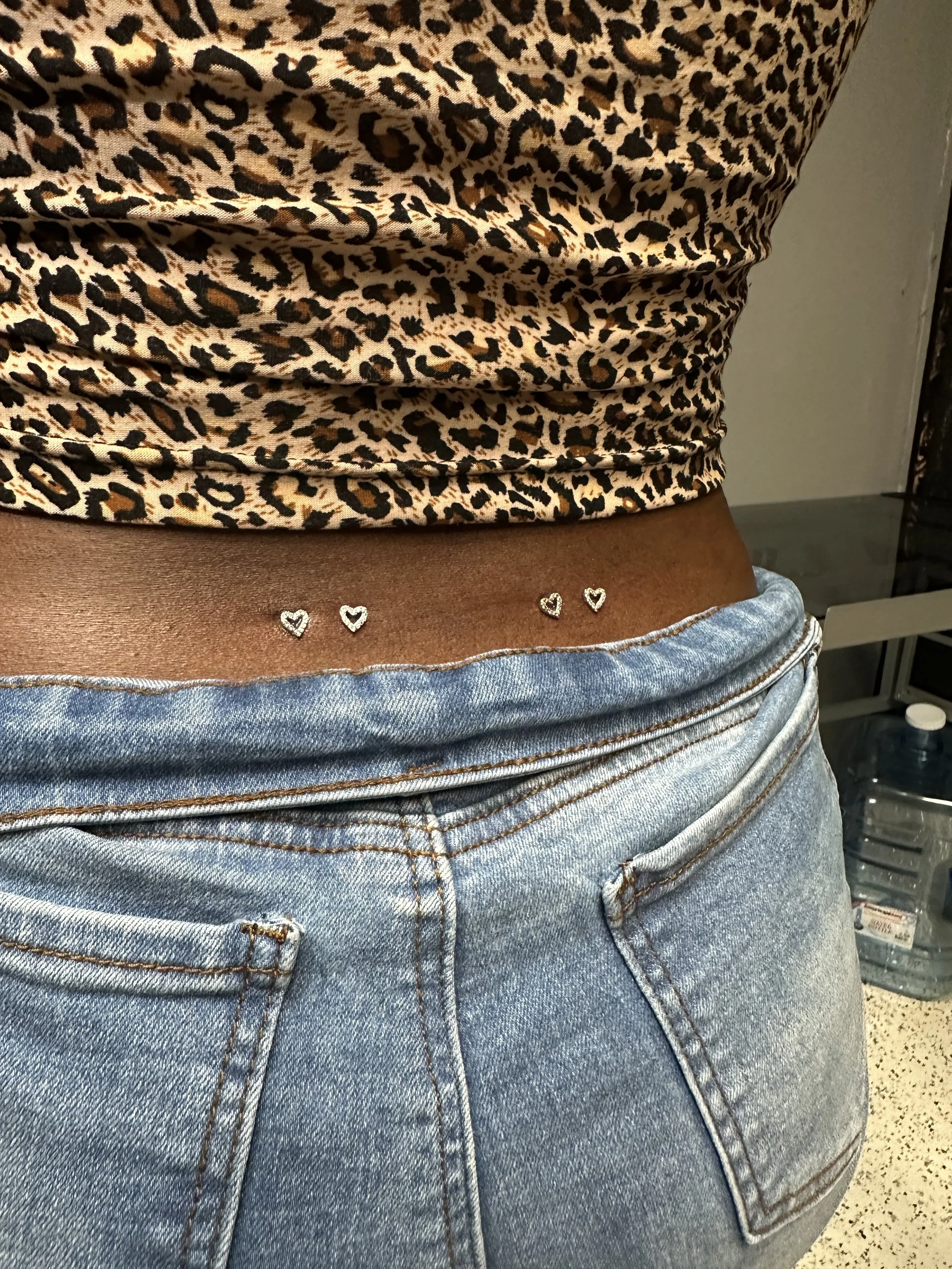
Why Some Piercings Take Longer to Heal
Getting a new piercing is only the beginning. The way you care for it during the following weeks and months can affect how comfortably and consistently it heals.
A piercing is a type of intentional wound, and the body must repair the surrounding tissue while accommodating the jewelry. Irritation can develop from repeated pressure, friction, unsuitable products, or excessive handling. In some cases, the problem is not an infection but ongoing trauma that keeps the piercing from settling.
The Association of Professional Piercers recommends gentle care, avoiding unnecessary movement, and using appropriate sterile saline products. Its body piercing aftercare guidance also explains why a piercing can appear healed on the outside while the inner tissue is still fragile.
Here are 10 aftercare mistakes that can interfere with the healing process.
1. Cleaning the Piercing Too Often
Keeping a piercing clean is important, but cleaning it repeatedly throughout the day does not automatically make it heal faster.
Overcleaning can dry out the surrounding skin and cause irritation. Repeated rubbing, spraying, wiping, or soaking can also disturb tissue that is trying to repair itself.
What to do instead
Follow a simple aftercare routine recommended by your professional piercer. Use a suitable sterile saline wound wash when appropriate, and avoid repeatedly touching the area just to check if it is clean.
The goal is consistent, gentle care rather than constant intervention.
2. Using Alcohol, Hydrogen Peroxide, or Harsh Products
Some people assume that a strong product will kill bacteria and protect a new piercing. However, alcohol, hydrogen peroxide, harsh soaps, and other irritating products can damage healing tissue.
These products may cause dryness, burning, redness, or additional inflammation. The Association of Professional Piercers specifically advises against harsh cleaning products because they can interfere with healing.
Avoid experimenting with household disinfectants or strong skincare products around a fresh piercing.
A better approach
Choose a product appropriate for wound care and follow your piercer's instructions. The APP recommends sterile saline labeled as a wound wash, with ingredients that generally list water and 0.9% sodium chloride without unnecessary additives.
Read more from the Association of Professional Piercers before choosing a cleaning product.
3. Touching or Rotating the Jewelry
Rotating a piercing stud or twisting a hoop is an old aftercare habit, but it is not necessary for healing. Moving the jewelry can irritate the piercing channel and disturb newly forming tissue.
People often touch their jewelry when they feel itching, notice crust, or want to check if the piercing is still moving. Unfortunately, repeated handling can introduce dirt and bacteria from the hands while creating additional friction.
What to do instead
Wash your hands before any necessary contact.
Avoid spinning, twisting, or pulling the jewelry.
Allow minor crusting to soften naturally during gentle rinsing.
Do not force jewelry to move through the piercing.
Your piercing does not need to move freely to prove that it is healing properly.
4. Sleeping Directly on a Healing Piercing
Sleeping on a new ear piercing can create hours of continuous pressure. This is especially relevant for cartilage piercings, which may become irritated when compressed against a pillow.
Pressure can contribute to swelling, tenderness, irritation bumps, and changes in the angle of the jewelry. Even a clean pillowcase cannot eliminate the mechanical pressure caused by sleeping directly on the piercing.
How to reduce pressure while sleeping
Try these adjustments:
Sleep on the opposite side when possible.
Use a travel pillow that allows the ear to rest in the opening.
Keep pillowcases clean and change them regularly.
Avoid jewelry that catches on bedding.
Ask your piercer for placement-specific advice.
If you have recently received an ear piercing in Atlanta, discuss sleeping positions and jewelry placement during your ear piercing appointment.
5. Changing the Jewelry Too Early
A piercing can look calm and feel comfortable before the internal tissue has finished healing. Removing the initial jewelry too early may irritate the channel, make reinsertion difficult, or cause the opening to shrink.
The healing period varies depending on the piercing location, individual healing response, jewelry, and aftercare routine. Earlobes, cartilage, nostrils, navels, and other placements do not all heal at the same rate.
When is it safe to change the jewelry?
Do not rely only on how the piercing looks from the outside. Ask a qualified piercer to assess the healing progress before changing jewelry.
A professional downsize may be appropriate in some situations, but it should be performed by an experienced piercer using suitable jewelry and technique.
The American Academy of Dermatology's piercing care guidance also emphasizes leaving new jewelry in place and monitoring the piercing for signs of complications.
6. Picking at Crust or Scratching the Area
Small amounts of dried discharge or crust can occur during normal healing. Picking at it with fingernails can remove tissue that is still repairing and cause small injuries around the piercing.
Scratching can also transfer bacteria and increase irritation, especially when the skin feels itchy or tight.
What should you do about the crust?
Do not pull off the dry crust forcefully. Allow it to soften during a gentle rinse, then remove only what comes away easily without pressure.
If the area is persistently itchy, painful, swollen, or producing unusual discharge, contact your piercer or a healthcare professional instead of repeatedly manipulating the jewelry.
7. Exposing the Piercing to Excessive Friction
Friction is one of the most overlooked causes of prolonged piercing irritation. It can come from clothing, headphones, helmets, hair, masks, towels, or frequent contact with equipment.
For example, a new helix piercing may repeatedly catch on hair or headphones. A navel piercing may rub against tight clothing. A nostril piercing may be disturbed while wiping the nose.
How to reduce friction
Think about the activities you perform every day and identify what repeatedly touches the piercing.
Keep hair products away from healing piercings.
Be careful when changing clothes.
Avoid accessories that press against the area.
Use clean materials when drying.
Protect the piercing from unnecessary bumps and snags.
The objective is not to stop normal movement completely. It is to reduce repeated trauma that keeps restarting irritation.
8. Swimming in Pools, Lakes, or Hot Tubs Too Soon
Submerging a healing piercing in shared or natural bodies of water can expose it to microorganisms and other contaminants. Pools, hot tubs, lakes, and oceans may introduce additional risks while the piercing is still healing.
Swimming can also involve friction from towels, equipment, and repeated contact with water.
What is the safer option?
Avoid submerging a healing piercing in bodies of water whenever possible. If water exposure is unavoidable, speak with your piercer about suitable protection for your piercing's location.
The Mayo Clinic's guidance on piercing complications recommends avoiding swimming while a piercing heals and keeping the area away from unnecessary friction.
9. Applying Beauty and Skincare Products Near the Piercing
Makeup, facial creams, sunscreen, hair spray, perfume, lotions, and other personal care products can irritate a fresh piercing when they come into contact with the healing opening.
The risk may be greater for facial piercings, including nostrils, eyebrows, and lip piercings. Product residue can build up around the jewelry and make the area more difficult to keep clean.
A practical aftercare habit
Keep cosmetics and skincare products away from the piercing during healing. Be cautious when applying products near the area, and clean away accidental residue using the method recommended by your piercer.
Do not apply oils, essential oils, ointments, or homemade mixtures simply because they are promoted online as natural healing solutions.
10. Ignoring Jewelry Fit or Persistent Irritation
Aftercare is important, but it cannot correct every problem caused by jewelry size, shape, material, or placement.
Jewelry that is too tight may place pressure on the tissue. Jewelry that is too long may catch on clothing or hair. An unsuitable material may contribute to irritation or sensitivity. In some cases, ongoing problems can be related to the piercing's angle or location.
When should you consult your piercer?
Arrange a professional assessment if you notice:
Jewelry pressing into the skin.
Persistent swelling or tenderness.
Repeated irritation bumps.
Jewelry catching on clothing or hair.
A change in the piercing's angle.
Skin appears thinner around the jewelry.
Ongoing irritation despite gentle aftercare.
Do not attempt to resize or replace problematic jewelry yourself. A qualified piercer can assess the placement and recommend an appropriate next step.
Normal Healing or a Possible Complication?
Not every change around a piercing indicates an infection. Some early tenderness, localized swelling, mild discoloration, itching, and small amounts of pale discharge or crust can occur during normal healing.
However, symptoms that become severe, worsen, or fail to improve should not be ignored.
The APP advises seeking medical attention for symptoms such as severe redness, significant swelling or pain, thick foul-smelling discharge, red streaks, or fever and chills. A healthcare professional should assess suspected infections.
Do not remove jewelry on your own if you suspect an infection without first consulting a healthcare professional or qualified piercing professional. Removing jewelry may allow the surface to close and can complicate drainage in certain situations.
How to Support Better Piercing Healing in Atlanta
Atlanta's weather, daily routines, exercise habits, and commuting activities can all influence how a piercing is exposed to sweat, friction, and environmental contact. Your aftercare plan should reflect the location of the piercing and your normal lifestyle.
Before getting a new piercing, consider these questions:
Will the jewelry rub against clothing, headphones, or protective equipment?
Can I avoid sleeping directly on the area?
Do I have a simple and consistent cleaning routine?
Will my work or exercise routine cause repeated irritation?
Do I know when to return to my piercer for a jewelry check?
Choosing a professional studio is also part of the process. Discuss your anatomy, jewelry options, expected healing period, and aftercare instructions before the piercing is performed.
If you are planning a new piercing, explore body piercing services in Atlanta and ask questions about the care required for your chosen placement.
Piercing Aftercare Checklist
Use this checklist to review your daily habits:
Wash your hands before necessary contact.
Follow a gentle, consistent cleaning routine.
Avoid alcohol, hydrogen peroxide, and harsh products.
Do not twist or rotate the jewelry.
Reduce pressure while sleeping.
Avoid unnecessary friction and pulling.
Keep cosmetics and personal care products away from the piercing.
Avoid swimming during the healing period.
Do not change jewelry prematurely.
Contact a professional when irritation persists or symptoms worsen.
Healing takes time, and a calm-looking piercing is not always fully healed internally. The most helpful approach is to avoid unnecessary interference, follow reliable aftercare guidance, and seek professional advice when something does not seem right.
Frequently Asked Questions
1. What is the most common piercing aftercare mistake?
Common mistakes include touching the piercing unnecessarily, overcleaning, using harsh products, sleeping on the jewelry, and changing it too early. Several issues may occur together, so identifying and reducing repeated irritation is important.
2. Can overcleaning delay piercing healing?
Yes. Excessive cleaning and vigorous handling can irritate healing tissue and delay recovery. Follow a consistent routine recommended by your piercer instead of cleaning repeatedly throughout the day.
3. Should I rotate my new piercing jewelry?
No. Rotating or twisting jewelry is not necessary and may irritate the piercing channel. Leave the jewelry alone except when performing necessary aftercare with clean hands.
4. Why is my piercing still irritated after several weeks?
Possible causes include pressure, friction, unsuitable jewelry, product sensitivity, incorrect placement, or an underlying complication. A qualified piercer can assess the jewelry and placement. Seek medical advice if you notice worsening symptoms or signs of infection.
5. Can I sleep on a new cartilage piercing?
Sleeping directly on a healing cartilage piercing can create pressure and irritation. Try sleeping on the opposite side or using a travel pillow that keeps the ear from pressing against the pillow.
6. When can I change my new piercing jewelry?
The appropriate time depends on the piercing location and healing progress. Do not change it based only on how it looks externally. Ask a qualified piercer to assess the piercing and perform any necessary jewelry change or downsize.
7. How do I know if my piercing is infected?
Potential warning signs include worsening pain, significant swelling, severe redness, unusual discharge, foul odor, red streaks, or fever. Contact a healthcare professional if you suspect an infection, particularly when symptoms are severe or getting worse.