
Tattoo Studio Hygiene in Atlanta: How Public Health Guidance Shapes Professional Practice
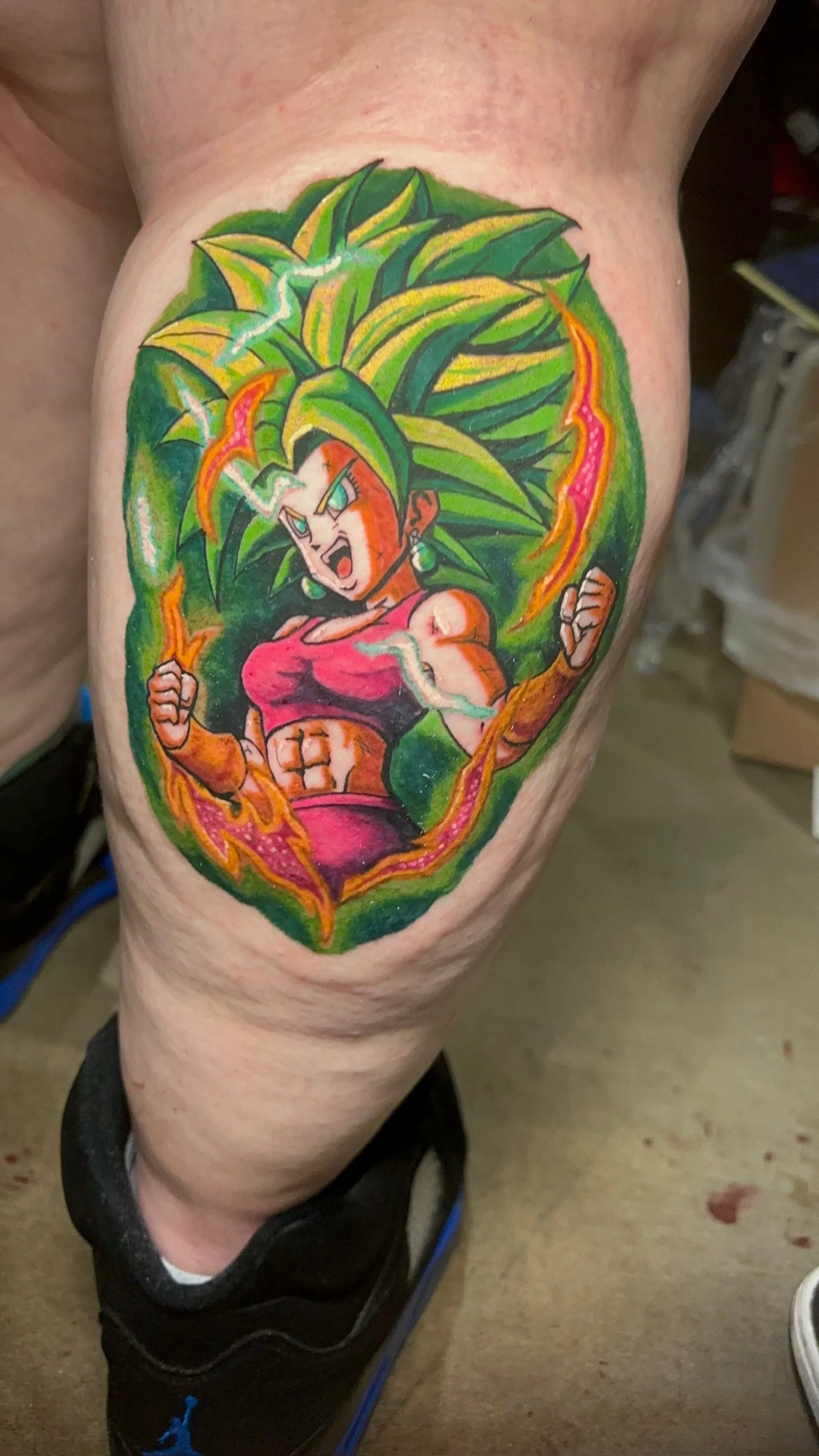
When people look for a tattoo studio in Atlanta, they often start with the artwork.
They compare portfolios, tattoo styles, artist experience, reviews, and custom designs. Those things matter, especially because a tattoo is permanent.
But there is another part of professional tattooing that deserves just as much attention: hygiene.
A tattoo involves needles entering the skin and creating a controlled injury. That means professional tattooing is not only an artistic process. It also requires careful infection-prevention practices.
Public health guidance continues to shape how professional body art studios approach cleaning, sterilization, bloodborne pathogen prevention, equipment handling, and client safety.
For anyone researching a professional tattoo studio in Atlanta, understanding these standards can make it easier to recognize what responsible tattooing should look like.
Why Tattoo Studio Hygiene Matters
Tattooing breaks the skin.
That creates an opportunity for microorganisms to enter the body if equipment, surfaces, hands, ink, or other materials become contaminated.
The FDA notes that infections can result from unhygienic tattooing practices and contaminated tattoo inks. Importantly, the agency also explains that contamination can sometimes occur even when an ink container is sealed.
This is why professional hygiene cannot be reduced to simply wiping down a tattoo chair.
Infection prevention involves multiple steps before, during, and after a tattoo appointment.
For clients researching tattoo shops in Atlanta, this is one of the most important differences between looking at a studio's artwork and evaluating its professional practices.
Georgia Has Statewide Body Art Regulations
Tattoo hygiene in Atlanta is not based solely on individual studio preferences.
Georgia has statewide regulations governing body art.
The Georgia Department of Public Health adopted Chapter 511-3-8, Rules and Regulations for Body Art, with requirements covering body artist certification and permitted body art studios. The state also provides information about certification, studio applications, and bloodborne pathogen training.
The DPH states that required training certificates include Bloodborne Pathogens, First Aid, and CPR training as part of its certification and renewal requirements.
That framework matters because professional tattooing involves potential exposure to blood and other biological materials.
The goal of regulation is not to interfere with the artistic side of tattooing. It establishes a baseline for practices intended to protect both clients and artists.
Cleaning and Sterilization Are Not the Same Thing
The terms cleaning, disinfection, and sterilization are sometimes used interchangeably in everyday conversation.
They are not the same process.
Cleaning involves removing visible dirt, residue, ink, and other material from an item or surface.
Disinfection involves using an appropriate process or chemical to destroy many harmful microorganisms on surfaces.
Sterilization is a higher level of microbial destruction used for equipment that needs to be sterile.
In a professional tattoo environment, understanding the difference is important because different materials and equipment require different handling procedures.
A surface may be disinfected.
A reusable instrument that requires sterilization needs a validated sterilization process.
And a single-use needle should not simply be cleaned and used again.
These distinctions are part of the reason professional tattoo hygiene involves a system rather than one cleaning product.
Single-Use Needles Are an Important Safety Measure
Needles are among the most obvious pieces of equipment involved in tattooing.
Because they enter the skin, their handling is critical.
Professional tattooing relies heavily on single-use disposable components to reduce the possibility of cross-contamination. Once a disposable needle or other designated single-use item has been used, it should be disposed of appropriately rather than cleaned for another client.
The CDC's National Institute for Occupational Safety and Health developed its Good, Clean Art materials specifically for tattoo and piercing professionals, focusing on bloodborne pathogens and ways to reduce cross-contamination within the body art industry.
You can review the CDC tattoo and piercing infection-prevention guidance for additional information about occupational exposure and safer practices in the body art industry.
What About Reusable Equipment?
Not every piece of equipment in a tattoo studio is disposable.
Some equipment may be designed for repeated use and therefore requires proper cleaning and sterilization between clients.
This is where professional procedures become especially important.
A reusable item cannot simply be wiped down and assumed to be sterile.
The process has to account for contamination, cleaning, sterilization, storage, and handling.
For clients, you do not necessarily need to know every technical detail of a studio's sterilization procedure. However, you should feel comfortable asking how reusable equipment is handled.
A professional studio should be able to explain its hygiene procedures without treating reasonable safety questions as an inconvenience.
Barriers Help Prevent Cross-Contamination
Tattoo artists work with equipment that can come into contact with skin, ink, gloves, furniture, and other surfaces during a session.
Disposable barriers can help prevent contamination from spreading to parts of equipment that are difficult to clean or disinfect between clients.
This can include areas around machines, cords, spray bottles, work surfaces, and other frequently touched equipment.
The principle is simple:
Anything that could become contaminated should either be appropriately protected, cleaned, disinfected, sterilized, or discarded according to its intended use.
That is why a clean-looking workspace is helpful, but appearance alone does not tell the whole story.
Professional hygiene is about the procedures behind the appearance.
Hand Hygiene and Gloves Work Together
Gloves are an important barrier, but they are not a substitute for hand hygiene.
Hands can become contaminated while putting gloves on, removing them, touching equipment, or moving between tasks.
Gloves also need to be changed when contamination occurs or when the artist moves between tasks that require a fresh barrier.
This is one reason a professional tattoo appointment involves more glove changes and hand hygiene than a client might initially realize.
The CDC/NIOSH guidance for body artists specifically focuses on reducing exposure to bloodborne pathogens and cross-contamination.
Tattoo Ink Has Its Own Safety Considerations
One of the most interesting developments in recent tattoo safety guidance involves the ink itself.
It is easy to assume that the main infection risk comes from a dirty needle.
That is not the entire picture.
The FDA has reported that tattoo inks can become contaminated with microorganisms, including bacteria and other organisms capable of causing infection. The agency issued final guidance in October 2024 addressing insanitary conditions in the preparation, packing, and holding of tattoo inks.
The FDA guidance recommends measures for manufacturers and distributors such as evaluating ink and ink components for microbial contamination, preventing contamination during manufacturing, and using appropriate sterilization methods when applicable.
This is an important reminder that infection prevention does not stop at the tattoo machine.
The materials entering the skin matter too.
Why Ink Handling Matters Inside a Tattoo Studio
The FDA also warns that tattoo ink can potentially become contaminated through handling and preparation.
For example, the agency notes that using non-sterile water to dilute pigments can introduce microorganisms into tattoo ink.
That means professional tattoo hygiene extends into how products are stored, handled, prepared, and used during an appointment.
For clients, this may not be visible in the same way as a freshly cleaned workstation.
But it is still part of responsible tattoo practice.
Georgia's Public Health Rules Give Clients a Useful Reference Point
Clients do not need to memorize Georgia's body art regulations before getting tattooed.
However, knowing that Georgia has a formal regulatory framework can help people ask better questions.
The Georgia Department of Public Health provides information about:
Body artist certification
Studio applications
Body art rules
Bloodborne pathogen training
First Aid and CPR training
Certified body artists
Local environmental health offices
The DPH also maintains a list of certified body artists and directs people to their local environmental health office for questions about local requirements.
If you are researching Atlanta tattoo studio regulations, the state's official body art information is a better starting point than relying on social media posts or outdated articles.
What Should Clients Look for in a Professional Tattoo Studio?
You do not need to inspect every piece of equipment before getting tattooed.
But there are some practical things you can observe.
A professional Atlanta tattoo studio should have an organized work environment and clear procedures for hygiene and client safety.
You can look for:
Clean and organized work areas
Appropriate hand hygiene
Fresh gloves
Single-use needles and disposable components where applicable
Proper handling of reusable equipment
Appropriate surface barriers
Safe disposal of used sharps
Clear aftercare instructions
Visible professional credentials or certifications where required
Staff who can answer reasonable safety questions
You should also pay attention to how the artist behaves during the appointment.
Professional hygiene should be part of the normal workflow, not something that appears only when a client asks about it.
Why Professional Practice Matters as Much as Artistic Skill
Choosing a tattoo artist is obviously an artistic decision.
You want someone whose style matches your idea.
Maybe you want realism.
Maybe you're looking for fine line work.
Maybe you want black-and-grey, surrealism, illustrative work, or a completely custom design.
Southern Ink Atlanta's tattoo artists in Atlanta page provides information about the studio's artist team and their work.
But artistic ability should not be the only factor.
A professional tattoo experience combines artistic skill with responsible studio practices.
The same attention to detail that goes into creating a tattoo should extend to preparing the workspace, handling equipment, preventing contamination, and explaining aftercare.
Hygiene Does Not End When You Leave the Studio
The studio controls many parts of infection prevention during the tattoo appointment.
The client also has responsibilities once they leave.
A fresh tattoo needs appropriate aftercare while the skin heals.
That includes following the artist's instructions, keeping the area appropriately clean, avoiding unnecessary irritation, and protecting the tattoo while it heals.
Southern Ink Atlanta provides detailed tattoo aftercare instructions, including guidance on cleaning, moisturizing, avoiding swimming and soaking, and recognizing symptoms that may require medical attention.
Aftercare matters because even a professionally performed tattoo can encounter problems if the healing skin is repeatedly irritated or exposed to avoidable contamination.
What Does the FDA Say About Tattoo-Related Infections?
The FDA continues to monitor reports involving contaminated tattoo inks and adverse reactions.
Its consumer guidance explains that infections have been linked to contaminated inks, including cases involving sealed containers. The agency also advises consumers to contact a healthcare professional if a tattoo does not appear to be healing normally or if concerning symptoms such as a rash or fever develop.
This does not mean tattooing is inherently unsafe.
It means tattooing involves a procedure that breaks the skin, so professional hygiene and informed aftercare matter.
If you develop symptoms that suggest an infection or significant reaction, seek medical care rather than attempting to diagnose or treat the problem yourself.
Why Hygiene Standards Keep Evolving
Public health guidance is not static.
As regulators receive new information about contamination, infections, products, and industry practices, guidance can change.
The FDA's 2024 final guidance on tattoo ink contamination is a good example. The agency developed the guidance after identifying documented concerns involving microbial contamination in tattoo inks.
Georgia's Department of Public Health also continues to maintain and update its body art information, including certification and regulatory resources. The current state page was updated in April 2026.
For professional tattoo studios, keeping up with public health requirements is therefore part of responsible practice.
For clients, it provides another reason to choose an established studio that takes safety seriously.
What Clients Should Take Away
Tattoo hygiene is not simply about whether a studio looks clean.
It is a system.
It includes hand hygiene, gloves, equipment handling, surface preparation, barriers, disposal, sterilization where required, ink safety, bloodborne pathogen precautions, and proper aftercare.
The rules and recommendations from Georgia's public health authorities, the FDA, and CDC/NIOSH all point toward the same basic principle:
Professional tattooing requires both artistic skill and responsible infection prevention.
If you're researching tattoo services in Atlanta, take the time to look beyond the portfolio.
Ask questions.
Understand the studio's approach to safety.
Look for professional practices that are consistent throughout the appointment.
A great tattoo should be something you are excited to wear, but the process of getting it should also reflect care, preparation, and respect for your health.
Frequently Asked Questions
What are the hygiene standards for tattoo studios in Atlanta?
Tattoo studios in Georgia operate under state body art regulations administered by the Georgia Department of Public Health. Requirements include provisions related to body artist certification, permitted studios, training, and public health practices.
Are tattoo needles reused?
Professional tattooing uses single-use disposable needles and other disposable components where applicable. Used sharps should be disposed of safely rather than reused between clients.
What is the difference between cleaning and sterilization?
Cleaning removes contaminants and debris. Disinfection reduces microorganisms on appropriate surfaces. Sterilization is a more comprehensive process used for equipment that requires sterility.
Can tattoo ink become contaminated?
Yes. The FDA has documented microbial contamination in tattoo inks, including sealed containers, and issued final guidance in 2024 addressing contamination risks during ink manufacturing and handling.
Why are bloodborne pathogen precautions important for tattoo artists?
Tattooing involves needles and exposure to blood, so appropriate precautions help reduce the risk of transmitting bloodborne pathogens. CDC/NIOSH specifically developed body art safety resources addressing occupational exposure and cross-contamination.