
When Should You Change Your Piercing Jewelry? An Atlanta Guide
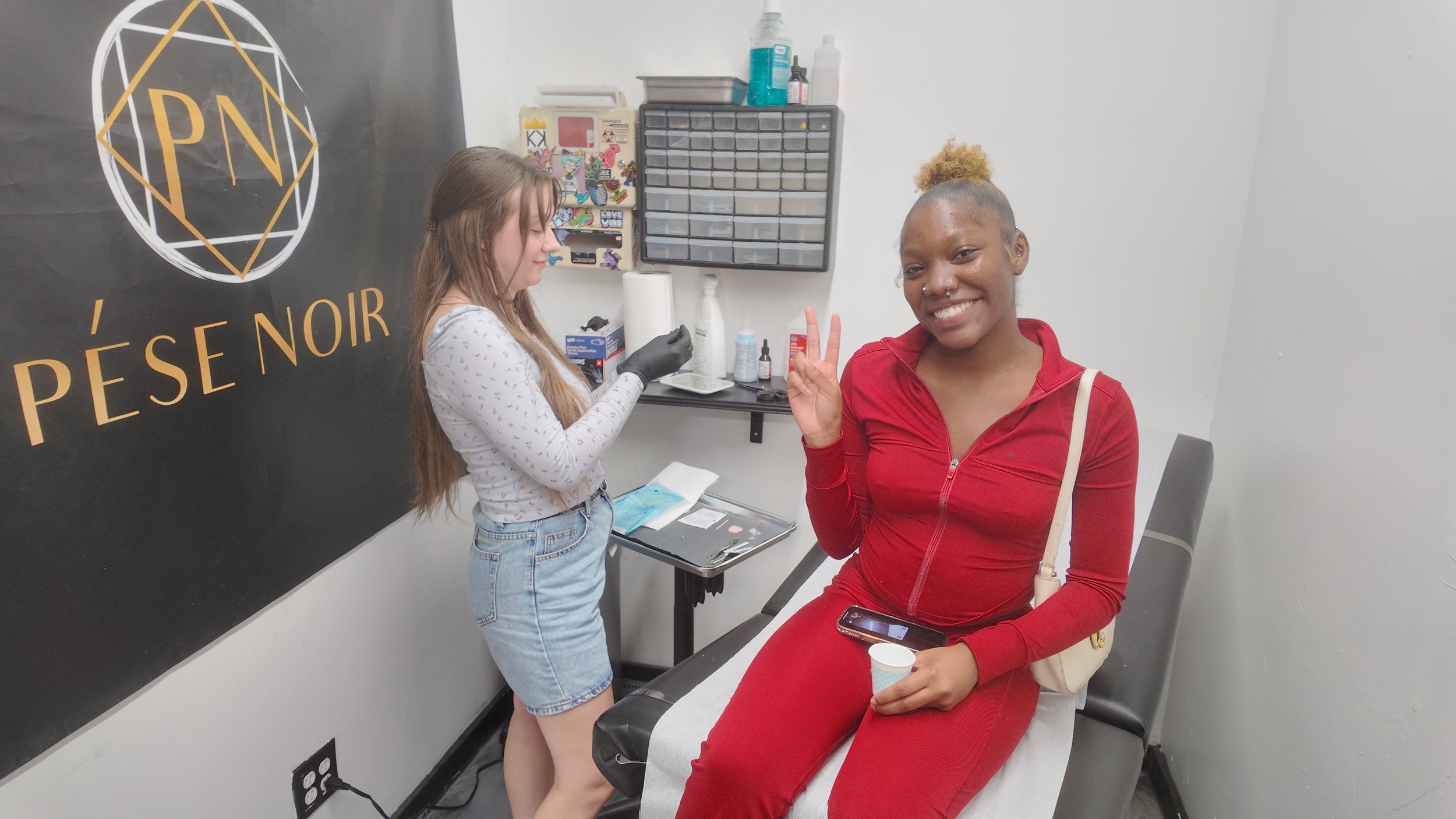
Getting a new piercing often comes with one exciting question: When can you finally change the jewelry?
Maybe you have a different nose stud in mind, want to replace your starter earrings with a hoop, or are planning a new look for your ears. It is tempting to switch jewelry as soon as the swelling disappears and the piercing feels comfortable.
However, a piercing that looks healed on the outside may still be healing internally. Changing the jewelry too soon can irritate the piercing channel, cause bleeding, and make reinserting the jewelry difficult.
The right time depends on the piercing's location, how it is healing, and whether the change is necessary for comfort or simply for style.
If you are considering a jewelry change at a piercing studio in Atlanta, understanding the difference between downsizing, replacing jewelry during healing, and changing a fully healed piercing can help you make a safer decision.
How Do You Know When It Is Safe to Change Piercing Jewelry?
There is no single timeline that applies to every piercing. Earlobes, cartilage, nostrils, navels, and oral piercings heal at different rates.
The most reliable approach is to have a professional piercer assess the piercing rather than relying only on how it looks or feels.
During healing, the original jewelry should generally remain in place unless a qualified piercer recommends a change because of its length, fit, material, or other concern.
The Association of Professional Piercers' aftercare guidance explains that a piercing can appear healed before the internal tissue has finished healing. It also recommends having a qualified piercer perform jewelry changes and downsizing when needed during the healing period.
Before changing your jewelry, consider three things:
Healing: Has the piercing completed its healing process?
Comfort: Is the jewelry sitting properly without pressure, excessive movement, or irritation?
Purpose: Are you changing it for style, or is the current jewelry causing a problem that needs professional attention?
These questions help determine whether it is time for a routine jewelry change or whether the piercing needs further care.
How Long Should You Wait Before Changing Piercing Jewelry?
Healing times vary depending on the piercing location, jewelry fit, aftercare, and your body's healing process. The following estimates are general guidelines, not guarantees that a piercing is ready for a jewelry change.
Earlobe piercing: Around 6 to 8 weeks or longer.
Ear cartilage piercing: Often 6 to 12 months or longer.
Nostril piercing: Commonly 3 to 6 months or longer.
Septum piercing: Often around 2 to 4 months.
Navel piercing: Commonly 6 to 12 months or longer.
Tongue piercing: Often around 4 to 8 weeks.
Lip piercing: Several weeks to a few months, depending on the placement.
These timeframes can vary, and some piercings take longer than expected. A piercing may look healed on the outside while the internal channel is still healing.
For example, an earlobe piercing may become comfortable relatively quickly, while cartilage can take many months to heal fully. Replacing cartilage jewelry simply because it no longer feels tender can be premature.
If you are unsure about your healing progress, ask a professional piercer to assess the site before making a change.
What Is Downsizing, and When Should You Do It?
Downsizing is different from changing jewelry for fashion.
When a piercing is first performed, the jewelry often needs extra length or space to accommodate initial swelling. Once the swelling subsides, that jewelry may become too long.
Excessively long jewelry can move around, snag on clothing or hair, and irritate the piercing. Oral jewelry that remains too long may also affect the teeth or gums.
A professional piercer may recommend replacing the initial jewelry with a shorter piece once the initial swelling has reduced enough to allow it.
Downsizing does not mean the piercing is fully healed. It is a fit adjustment that may be necessary while healing is still underway.
The Association of Professional Piercers explains the purpose of downsizing in its piercing FAQ.
If your jewelry seems unusually long, catches frequently, or moves excessively, arrange an assessment rather than shortening or replacing it yourself.
Can You Change Piercing Jewelry Before It Is Fully Healed?
Sometimes, yes, but it should be for a specific reason and handled by a qualified piercer.
A jewelry change during healing may be appropriate if the initial jewelry is too long, too short, unsuitable for the placement, damaged, or causing a problem with fit or material.
However, switching to a decorative hoop or a different gemstone simply because you want a new look is usually best postponed until the piercing is fully healed.
Removing jewelry from a healing piercing can damage fragile tissue. Reinserting it may be difficult, and forcing it through can cause additional irritation or injury.
If the jewelry feels too tight, appears to be sinking into the skin, or is causing persistent discomfort, do not try to solve the problem by changing it at home. Seek professional help promptly.
At Southern Ink, Atlanta, you can learn more about professional piercing services in Atlanta and ask about jewelry changes suited to your piercing and healing stage.
Signs Your Piercing May Not Be Ready for a Jewelry Change
A piercing does not need to look perfectly identical to the surrounding skin throughout healing. Mild tenderness, some swelling, and occasional crusting can occur during the normal healing process.
However, certain signs suggest that changing the jewelry for cosmetic reasons may be premature.
1. The Piercing Is Still Tender
If touching the area causes pain or discomfort, the tissue may still be healing or experiencing irritation.
Do not repeatedly move the jewelry to test it. Let the piercing settle and ask your piercer for advice if tenderness continues.
2. There Is Ongoing Swelling or Redness
Some initial swelling is expected, but persistent or increasing swelling may indicate irritation or another problem.
Jewelry that is too tight can place pressure on the tissue and make the situation worse.
3. The Piercing Continues to Develop Crust
Small amounts of pale fluid that dry into a crust can occur during healing. However, ongoing crusting means you should not assume the piercing is ready for a decorative jewelry change.
Keep following your aftercare instructions and ask your piercer if you are unsure about the healing stage.
4. The Jewelry Catches or Pulls on the Piercing
Frequent snagging can irritate the area. A professional assessment can help determine if the jewelry needs to be downsized or adjusted.
Do not assume that changing it yourself will solve the problem.
5. The Jewelry Feels Stuck
Jewelry should never be forced through a piercing. Resistance, pain, or difficulty moving it can indicate that the channel is not ready for a change.
If you are experiencing any of these signs, wait before changing jewelry for appearance alone and get professional guidance.
What If Your Piercing Looks Infected?
An infection is different from ordinary healing irritation.
Warning signs can include increasing pain, significant swelling, warmth, marked redness or darkening, pus-like discharge, or feeling feverish or generally unwell.
If you suspect an infection, seek medical advice promptly. Do not remove the jewelry on your own unless a healthcare professional advises you to do so, as removal can sometimes complicate the situation.
The NHS guidance on infected piercings explains common symptoms and when to seek medical care.
A professional piercer can help identify jewelry-fit concerns, but a suspected infection needs appropriate medical evaluation.
How to Choose Replacement Piercing Jewelry
Once your piercing is ready for a change, the next consideration is the jewelry itself.
A piece can look attractive but still be unsuitable for the piercing's location, size, or anatomy.
Choose Appropriate Materials
Implant-grade titanium is a common option for body jewelry. Other suitable materials may include verified implant-grade steel, niobium, or solid gold of an appropriate quality.
Be cautious about jewelry with unknown metal content, plating that may wear away, or materials that have caused irritation in the past. If you have a known metal sensitivity, discuss suitable options with your piercer.
Get the Right Size
Jewelry needs to fit properly. A post that is too short can put pressure on the tissue, while one that is too long can move excessively and snag.
Ring diameter and bar length also matter. The correct measurements depend on the piercing location and your anatomy.
Match the Jewelry to the Piercing
A hoop that works for a fully healed nostril may not be suitable for a healing piercing. Likewise, decorative pieces with chains, dangling elements, or added weight may be inappropriate before the piercing has healed.
Start with the fit and material. Style comes next.
How to Change Your Jewelry More Safely Once It Has Healed
After a qualified piercer confirms that your piercing is healed and ready for a routine change, a few basic precautions can help reduce irritation.
Wash your hands thoroughly before handling the jewelry.
Clean the new jewelry as recommended by your piercer.
Make sure the replacement piece is designed for the piercing and has the correct measurements.
Insert it gently without forcing it through the channel.
Stop if you experience pain, resistance, or bleeding.
Secure the jewelry properly and follow any aftercare advice provided.
Even an established piercing can shrink or close when jewelry is removed, and this can happen more quickly than expected. Avoid leaving the hole empty if you want to keep the piercing.
If you cannot insert the new jewelry easily, contact a professional piercer rather than repeatedly attempting to push it through.
Where Can You Get Help With a Jewelry Change in Atlanta?
Sometimes the biggest challenge is knowing if your piercing is ready. A professional assessment can help you understand whether the jewelry should stay in place, be downsized, or be replaced.
Southern Ink, Atlanta offers piercing services in Atlanta. The studio is located at 5296 Riverdale Road, Atlanta, GA 30349.
If you are planning a new look, bring your jewelry preferences to your appointment and explain how long you have had the piercing. If you are experiencing pain, swelling, or a fit problem, mention those concerns before making a change.
A little patience can protect your piercing and help you enjoy your new jewelry when the time is right.
Frequently Asked Questions
Can I Change My Earrings After Six Weeks?
Some earlobe piercings may be ready for a change around six to eight weeks, but not all are fully healed by then. Cartilage piercings generally need much longer. Have a professional piercer assess your piercing before changing the jewelry.
Can I Change My Nose Ring After One Month?
A nostril piercing is usually not fully healed after one month. Avoid changing it for cosmetic reasons at this stage. If the jewelry needs adjustment because of fit or another concern, consult a qualified piercer.
Does a Piercing Need to Stop Hurting Before I Change the Jewelry?
The absence of pain alone does not prove that a piercing is fully healed. The channel can remain fragile internally even when it feels comfortable. Healing time and professional assessment are more reliable indicators.
Can I Change My Piercing Jewelry Myself?
Once a piercing is fully healed, you may be able to change the jewelry yourself with clean hands and an appropriately fitted piece. During healing, jewelry changes and downsizing should generally be handled by a qualified piercer.
What Happens If I Change My Piercing Jewelry Too Early?
Changing jewelry too soon can irritate or injure the healing channel, cause bleeding or swelling, and make reinsertion difficult. The piercing may also become irritated enough to delay healing.
Final Thoughts
Changing piercing jewelry should be based on healing and fit, not just the calendar. A piercing may look settled before the tissue is fully healed, and different placements need different amounts of time.
Leave the original jewelry in place during healing unless a qualified piercer recommends a change. When the time comes, choose suitable materials, use the correct size, and never force jewelry through a resistant or painful piercing.
If you are unsure about your piercing, a professional assessment at Southern Ink Atlanta can help you understand the next step before you switch to a new style.
Disclaimer: This article provides general educational information and is not a substitute for medical advice. Consult a healthcare professional if you suspect an infection or experience worsening symptoms.