
Atlanta Tattoo Conventions and Art Events: What Visitors Can Learn About Modern Tattoo Culture
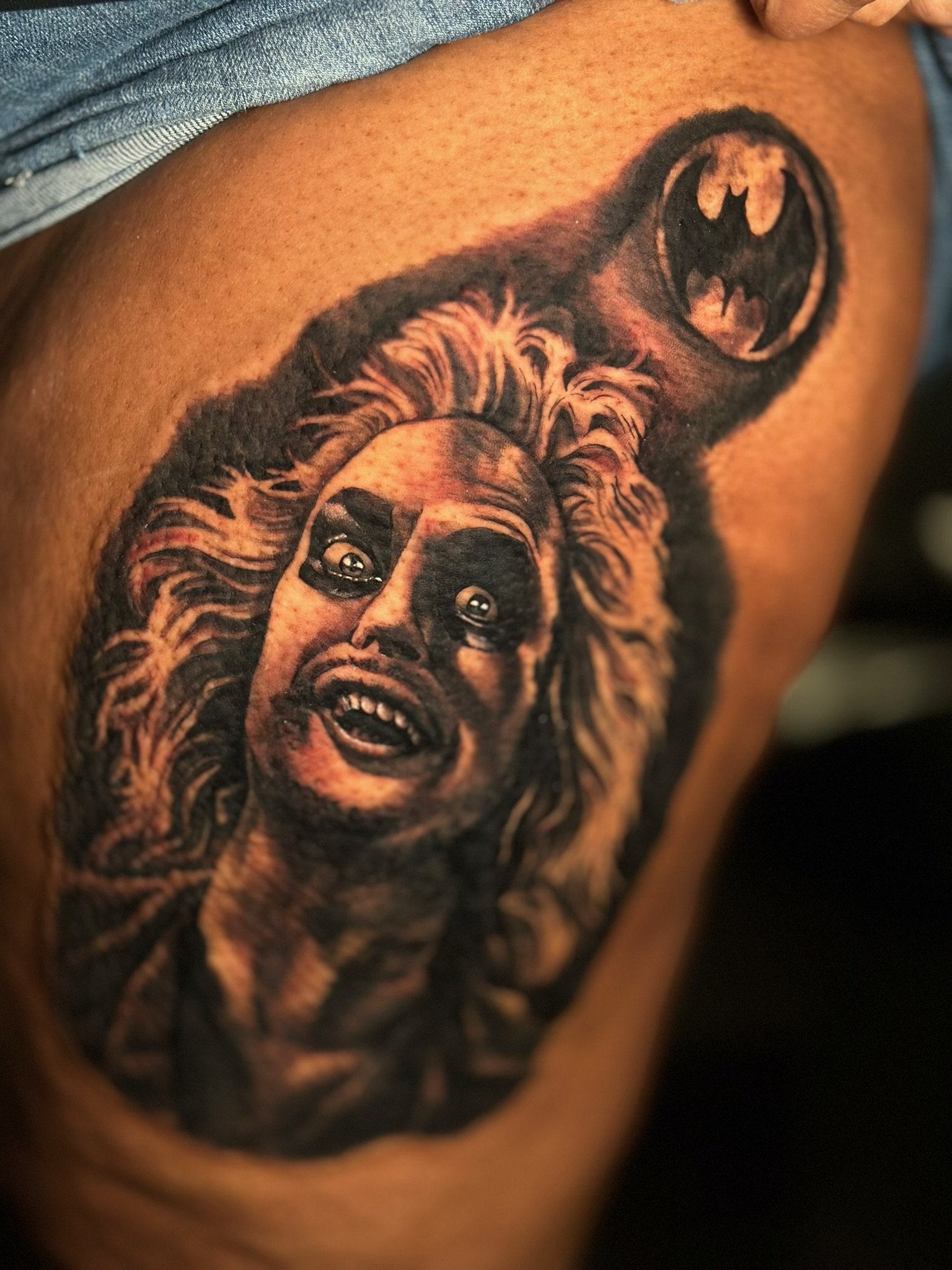
Atlanta's tattoo culture is not limited to tattoo studios.
Throughout the year, conventions, flash events, art gatherings, and creative festivals give artists and the public opportunities to connect outside the traditional appointment setting. These events can reveal how tattoo styles are evolving, how artists develop their craft, and how people are becoming more intentional about the tattoos they choose.
For someone researching Atlanta tattoo conventions or looking for tattoo events in Atlanta 2026, these gatherings offer something beyond entertainment. They provide a chance to see tattooing as a living art form and to understand the creative decisions behind the finished work.
More importantly, they offer a different way to research an artist before committing to permanent artwork.
Atlanta's 2026 Tattoo Event Calendar Shows a Diverse Scene
The 2026 Atlanta Tattoo Arts Festival took place March 6 through 8 at AmericasMart Building 3 in downtown Atlanta. The verified event listing describes a three-day gathering featuring local, national, and international tattoo artists, live tattooing, contests, entertainment, and tattoo-related vendors.
Later in the year, the North Atlanta Tattoo Expo is scheduled for November 20 through 22 at the Sonesta Atlanta Northwest Galleria in Marietta. The event listing describes an inaugural convention featuring approximately 100 tattoo artists from across the United States, local artists, professional piercing services, vendors, and live tattooing.
These events demonstrate something important about the current Atlanta tattoo scene.
There is no single look that defines the city's tattoo culture.
Visitors can encounter different artistic approaches, different levels of experience, and different reasons people choose to get tattooed.
That variety is one of the most interesting things to observe at a convention.
A Tattoo Convention Can Be a Research Trip
Not everyone attending a tattoo convention is there to get tattooed.
Some visitors are collectors looking for their next artist. Others are simply curious about tattooing and want to see artists work in person.
For someone planning a tattoo, this can be a useful research opportunity.
Instead of looking at one portfolio on a phone screen, you can encounter multiple artists and compare their approaches. You may notice differences in line quality, shading, composition, color use, realism, and how designs interact with the body.
That experience can help someone become more specific about what they want.
For example, a person might initially search for tattoo artists in Atlanta without knowing exactly what style they prefer. After seeing several artists' work, they may realize they are more interested in fine line, realism, black-and-grey, surrealism, or illustrative work.
That is a much more informed starting point for a consultation.
The Portfolio Still Matters More Than the Convention
A convention can introduce you to an artist, but it should not replace portfolio research.
Tattooing is permanent. Seeing an artist's work in person can be valuable, but you should still examine their portfolio carefully before making a decision.
Look for consistency.
Does the artist regularly produce the style you want? Do their designs work well on different body placements? Can you find examples that are similar to your idea?
If you are researching custom tattoos in Atlanta, pay particular attention to how the artist translates an idea into an original composition rather than simply reproducing a reference image.
You can also explore the Atlanta tattoo artists featured by Southern Ink, Atlanta to compare the different artistic approaches represented within its team. The studio currently lists artists working in areas including realism, fine line, black-and-grey, surrealism, and illustrative work.
What Can Visitors Learn by Watching Tattoo Artists Work?
A finished tattoo photograph does not always reveal how much artistic decision-making happens during the process.
At an event, visitors may get a better appreciation for the relationship between design and anatomy.
A tattoo has to work with the shape and movement of the body. Placement can change the way a design is perceived. Line weight, contrast, shading, and negative space all contribute to the final result.
This is especially noticeable when comparing different tattoo styles in Atlanta.
A fine-line tattoo has a different visual language from black-and-grey realism. A large illustrative piece may require different planning from a small traditional design.
Seeing those differences in person can help clients understand why choosing an artist based only on a general category such as "tattoo artist" may not be enough.
The better question is often:
Does this artist's actual body of work match the tattoo I want?
Consumer Behaviour Is Changing How People Choose Tattoo Artists
The way people research tattoos has changed significantly.
Someone considering a tattoo can now spend days or weeks looking through portfolios on Instagram, Google, studio websites, reviews, videos, and other online platforms before ever contacting an artist.
That means today's tattoo client often arrives with more information than clients did years ago.
They may already know:
The tattoo style they prefer
The approximate placement
Artists they are considering
Reference images they like
Questions about pricing
Questions about the consultation process
What type of tattoo they want to avoid
Conventions add another layer to that research.
Instead of relying entirely on online photographs, people can experience the atmosphere of the tattoo community and observe artists working in a shared environment.
This does not mean a convention should determine your choice. Instead, it can become one part of a larger research process.
Custom Tattooing Is Becoming More Personal
Modern tattoo culture also reflects a growing interest in personalisation.
A client may bring an old photograph, a meaningful symbol, artwork, a cultural reference, a family story, or several unrelated ideas and ask an artist to turn those elements into a cohesive tattoo.
That is where the consultation becomes important.
Someone looking for custom tattoo design in Atlanta may not have a finished concept when they first contact a studio. They may simply know the subject, feeling, or story they want represented.
An experienced artist can then consider composition, placement, scale, style, and how the design will function as a tattoo.
Southern Ink Atlanta currently offers tattoo design consultations and custom tattoo services, making the consultation an important part of the process for clients who need help developing an idea.
Flash Tattoos Still Have an Important Place
The growth of custom tattooing does not mean flash has become irrelevant.
Flash remains an important part of tattoo history and contemporary tattoo culture.
Flash designs give artists an opportunity to create pieces based on their own artistic vision. Clients, meanwhile, can choose a design that immediately connects with them without starting with a completely blank concept.
Atlanta's tattoo community continues to hold flash-focused events, including Friday the 13th promotions and other limited-event tattoo experiences.
For consumers, these events can also reveal an important distinction:
Custom and flash are different creative approaches, not automatically different levels of quality.
The artist's skill, the design, placement, execution, and suitability for the client's goals all matter.
If you are deciding between the two, researching custom vs. flash tattoos in Atlanta can help you understand which approach fits your project.
Tattoo Conventions Are Also About Community
The social aspect of tattoo events is easy to overlook.
People attend because they enjoy tattooing, visual art, alternative culture, fashion, collecting, or simply being around other people who share an interest in body art.
That community aspect helps explain why conventions continue to attract both experienced collectors and curious first-time visitors.
For someone getting a first tattoo, attending an event without booking an appointment can actually be useful. It allows you to observe the environment and learn more about the process before making a permanent decision.
If you are still researching your first tattoo in Atlanta, there is no need to rush simply because an event is taking place.
Use the experience to learn.
What Should You Look For at an Atlanta Tattoo Event?
If you are attending one of the tattoo events in Atlanta 2026, pay attention to more than the tattoos themselves.
Look at how artists present their portfolios.
Notice how different styles look when viewed in person rather than on a phone.
Listen to how artists discuss design ideas with clients.
Pay attention to the importance of placement, scale, and composition.
And if you are considering getting tattooed, ask yourself whether you genuinely like an artist's work or simply like the atmosphere of the event.
That distinction matters.
A convention can be exciting, but your tattoo will remain long after the convention ends.
How to Use a Convention Before Booking Your Tattoo
A productive convention visit can become the first stage of your tattoo planning.
Start by identifying artists whose portfolios genuinely interest you.
Then research more of their work.
Look for tattoos similar to your intended style rather than choosing based on one photograph.
Think about where you want the tattoo and how large it should be.
Write down questions you want to ask.
Then, once you have narrowed down your options, consider scheduling a tattoo consultation in Atlanta.
A consultation gives you an opportunity to discuss the idea, placement, design direction, and expectations before the tattoo session.
For larger or more detailed projects, this preparation can be particularly useful.
Atlanta's Tattoo Culture Is Part of Its Larger Art Community
Tattooing does not exist in isolation from the rest of Atlanta's creative scene.
The city has a broad visual arts community that includes contemporary art, illustration, photography, sculpture, jewelry, fashion, and other creative disciplines.
The 2026 Atlanta Art Fair, for example, brought galleries, artists, installations, talks, performances, and other programming together at Pullman Yards. While it is not a tattoo convention, its programming illustrates the wider environment in which Atlanta's visual-art culture continues to develop.
This broader environment matters because tattoo artists are artists too.
Their work involves composition, symbolism, visual storytelling, technique, color theory, anatomy, and adaptation to an unusual canvas: the human body.
Tattoo conventions simply provide one of the most visible places to see that process happening.
What Atlanta Tattoo Events Tell Us About Today's Clients
The biggest lesson from Atlanta's 2026 tattoo events may not be about any particular style.
It is about how people make decisions.
Today's clients have more access to information than ever. They can research artists before contacting them, compare portfolios, study different styles, read reviews, attend events, and take more time to understand what they want.
That can lead to better conversations between artists and clients.
Instead of walking into a studio with only a vague idea, someone may arrive knowing the style they prefer, the placement they are considering, and the questions they need answered.
That is a positive development for tattoo culture because a well-informed client is better positioned to participate in the creative process.
Final Thoughts
Atlanta tattoo conventions and art events provide a fascinating look at how tattoo culture continues to evolve.
The 2026 Atlanta Tattoo Arts Festival demonstrated the scale and variety of a major tattoo convention, while the upcoming North Atlanta Tattoo Expo shows continued interest in bringing artists and tattoo enthusiasts together in the Atlanta area.
For visitors, the value goes beyond seeing tattoos.
These events can help people understand artistic technique, discover different styles, learn how artists approach their work, and become more thoughtful about their own tattoo decisions.
If you're considering a tattoo, you do not have to leave a convention with a new piece of ink.
You might leave with something more useful: a clearer idea of the artist, style, placement, and creative direction that are right for you.
Frequently Asked Questions
Are there tattoo conventions in Atlanta in 2026?
Yes. The Atlanta Tattoo Arts Festival took place March 6–8, 2026, at AmericasMart Building 3. The North Atlanta Tattoo Expo is scheduled for November 20–22, 2026, at the Sonesta Atlanta Northwest Galleria in Marietta.
What can I learn at an Atlanta tattoo convention?
Visitors can learn about tattoo styles, artistic techniques, design approaches, artist portfolios, body placement, and the creative process behind tattooing.
Can a tattoo convention help me find an artist?
Yes. Seeing multiple artists in one location can help you compare portfolios and identify an artistic style that fits your idea. You should still research the artist's portfolio before booking.
Should I get tattooed at a convention?
That depends on your project and the artist. Smaller, straightforward tattoos may be suitable for an event environment, while larger or highly customized pieces may benefit from a dedicated consultation and appointment.
What should I research before choosing a tattoo artist?
Look at the artist's portfolio, consistency, experience with your preferred style, examples of similar work, placement, and the consultation process. Do not choose solely because an artist is popular at an event.
Are tattoo conventions only for people getting tattoos?
No. Visitors can attend to look at artwork, meet artists, learn about tattoo culture, browse vendors, and experience the creative community without getting tattooed.