
Why Realism Tattoos Demand Experience: What Separates Great Artists From Good Ones
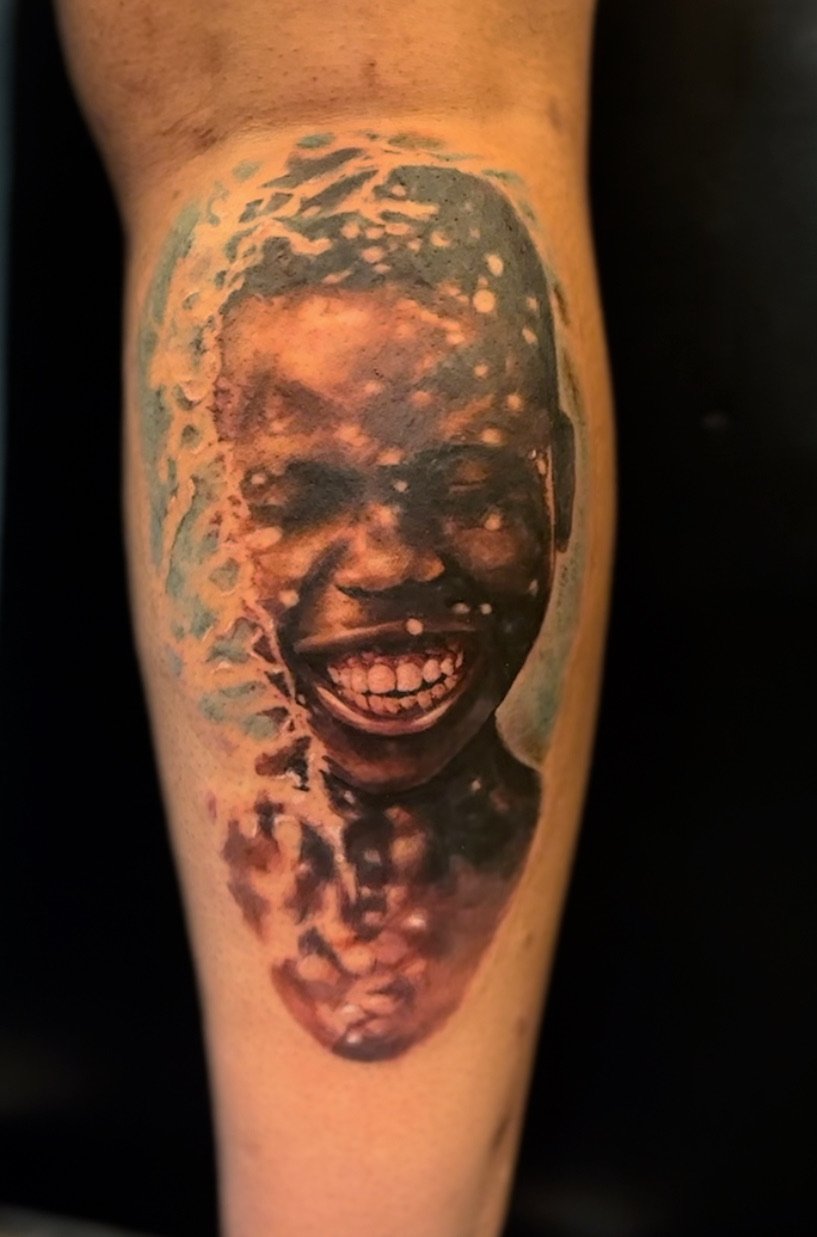
Not every tattoo style asks the same of an artist.
A minimalist tattoo may rely on clean lines and careful spacing. Traditional tattoos celebrate bold outlines and vibrant colour palettes. Watercolour tattoos require fluid movement and creative blending.
Realism is different.
Whether it's a lifelike portrait, a detailed wildlife piece, or a black and grey sleeve with dramatic depth, realism tattoos leave little room for error. Every shadow, highlight, texture, and proportion must work together to create the illusion of reality.
That is why many collectors spend months researching before choosing a tattoo artist in Atlanta who specialises in realism. They understand that this style isn't simply about copying a photograph. It's about translating a two-dimensional image into artwork that complements the natural contours of the body while maintaining its realism for years to come.
If you're considering a realism tattoo, here's why experience matters more than almost any other factor.
Why Are Realism Tattoos More Difficult?
Realism tattoos are among the most technically demanding styles because they require artists to master:
✔ Light and shadow
✔ Facial proportions
✔ Skin texture
✔ Smooth shading transitions
✔ Depth and perspective
✔ Long-term ink ageing
Unlike simpler tattoo styles, small technical mistakes are often immediately noticeable in realism work.
Realism Is More Than Copying a Photograph
Many people assume realism tattooing involves tracing or reproducing a reference image.
Professional artists know it's far more complex.
A photograph captures light in one moment.
A tattoo exists on:
Curved skin
Moving muscles
Different skin tones
Living tissue that changes over time
An experienced realism artist adapts the design instead of reproducing it exactly.
This ability separates technically skilled tattooists from artists who simply recreate images.
Every Millimetre Matters
Realism depends on precision.
A slight mistake in:
Eye placement
Nose proportions
Shadow depth
Hair texture
Contrast
can dramatically change the finished piece.
Portrait tattoos demonstrate this perfectly.
Being only a few millimetres off can make a familiar face appear like someone entirely different.
Professional realism artists develop exceptional attention to detail through years of practice.
Understanding Light Creates Depth
One characteristic shared by outstanding realism tattoos is believable depth.
That illusion comes from understanding how light behaves.
Artists carefully consider:
Light source direction
Shadow placement
Mid-tone transitions
Contrast balance
Highlight positioning
Without these principles, even technically clean tattoos may appear flat.
The The J. Paul Getty Museum offers educational resources that explain how artists use light and shadow to create realism in visual art, principles that also influence advanced tattoo design.
Skin Is Not Paper
One of the biggest differences between drawing and tattooing is the canvas itself.
Skin stretches.
Skin ages.
Skin heals.
Skin reflects light differently across various parts of the body.
An experienced realism artist designs with these factors in mind.
Large portrait tattoos placed across the shoulder, chest, or forearm often require subtle adjustments so the finished artwork maintains its visual balance as the body moves naturally.
Black and Grey Realism Requires Exceptional Control
Many realism tattoos are created in black and grey rather than colour.
This places even greater emphasis on:
Smooth gradients
Soft transitions
Contrast
Texture
Instead of relying on colour to separate different elements, artists create depth using carefully layered shading.
Poor blending becomes immediately obvious once the tattoo heals.
Realism Tattoos Need Room to Breathe
Clients sometimes request highly detailed designs at very small sizes.
Experienced artists understand when detail becomes impractical.
Fine details placed too closely together may gradually soften as the tattoo ages.
Rather than agreeing to every request, professional artists recommend sizes that preserve clarity for years.
This is one reason a custom tattoo consultation is so valuable before beginning a realism project.
Why Consultations Matter Even More
Unlike flash tattoos, realism pieces are rarely spontaneous.
Planning often includes discussions about:
Reference photographs
Composition
Placement
Scale
Black and grey versus colour
Number of sessions
A consultation allows both the artist and client to establish realistic expectations before work begins.
If you're planning a custom tattoo in Atlanta, taking time to collaborate on the design usually leads to stronger long-term results.
Healing Influences the Final Result
A realism tattoo doesn't look exactly the same on day one as it does after healing.
During recovery:
Minor swelling subsides
Surface layers regenerate
Contrast softens slightly
The tattoo settles into the skin
The American Academy of Dermatology explains that protecting healing skin and following appropriate wound care practices help support normal skin recovery.
Portfolio Quality Matters More Than Social Media Popularity
Beautiful photographs can be misleading.
When evaluating realism artists, look for portfolios that include:
Healed Tattoos
Fresh tattoos often appear darker and sharper than healed work.
Close-Up Images
Fine details should remain crisp under close inspection.
Multiple Subjects
A diverse portfolio demonstrates versatility.
Consistent Quality
Look for consistent excellence rather than one or two standout pieces.
Professional artists build reputations through consistency, not isolated successes.
Questions Worth Asking Before Booking
Before committing to a realism tattoo, ask:
Do you specialise in realism?
Can I see healed examples?
How many sessions do you recommend?
Will this design age well?
What size do you recommend?
Experienced artists welcome thoughtful questions because they demonstrate that clients value quality.
Common Misconceptions About Realism Tattoos
"If the stencil looks good, the tattoo will too."
The stencil is only the beginning.
Shading, contrast, and technique ultimately determine whether the finished tattoo appears realistic.
"Any tattoo artist can do realism."
Every artist develops different strengths.
Some specialise in:
Traditional
Neo-traditional
Japanese
Fine line
Lettering
Others dedicate years to mastering realism.
Choosing an artist whose portfolio aligns with your preferred style almost always produces better results.
"Smaller Is Always Better"
Not when realism is involved.
Tiny portraits often lose important details over time.
Experienced artists recommend sizes that preserve realism as the tattoo ages.
Why Atlanta Has Become a Destination for Realism Tattoos
Atlanta's thriving creative community has encouraged tattoo artists to specialise in advanced styles, including realism.
Clients now travel from surrounding areas seeking artists known for:
Black and grey realism
Portrait tattoos
Wildlife realism
Religious artwork
Cinematic designs
As demand for custom realism continues to grow, consultations have become an essential part of creating artwork that is both visually striking and technically sound.
Investing in Skill Instead of Regret
A realism tattoo often represents an important memory, a loved one, or a deeply personal story.
Choosing an experienced artist isn't simply about achieving a beautiful tattoo today.
It's about creating artwork you'll still be proud to wear years from now.
When technical precision, artistic vision, and professional planning come together, realism tattoos become more than body art. They become lasting works of craftsmanship.
FAQs
Why are realism tattoos more expensive?
Realism tattoos require advanced artistic ability, detailed planning, and longer tattoo sessions. The additional time and technical expertise are reflected in the price.
How do I choose a realism tattoo artist?
Review healed portfolio work, look for consistency, schedule a consultation, and choose an artist who specialises in realism rather than one who offers every style.
Do realism tattoos fade faster?
Not necessarily. When applied correctly and cared for properly, realism tattoos can age beautifully. Placement, sun exposure, and aftercare all influence longevity.
Can realism tattoos be done in colour?
Yes. Many realism tattoos use colour, while others rely on black and grey shading. Your artist can recommend the approach that best suits your design.
How many sessions does a realism tattoo usually take?
The answer depends on the size and complexity of the project. Larger realism tattoos often require multiple appointments to achieve the desired level of detail.
Final Thoughts
Realism tattoos showcase what tattooing can achieve at its highest level. They combine artistic vision, technical precision, and years of experience to create designs that appear remarkably lifelike.
If you're considering a portrait, wildlife piece, or detailed black and grey design, take the time to research an experienced realism tattoo artist in Atlanta. The right artist won't simply recreate an image. They'll create a tattoo designed to complement your body, heal beautifully, and stand the test of time.