
Can You Get a Tattoo If You Have Sensitive Skin? An Atlanta Tattoo Artist Explains What You Need to Know
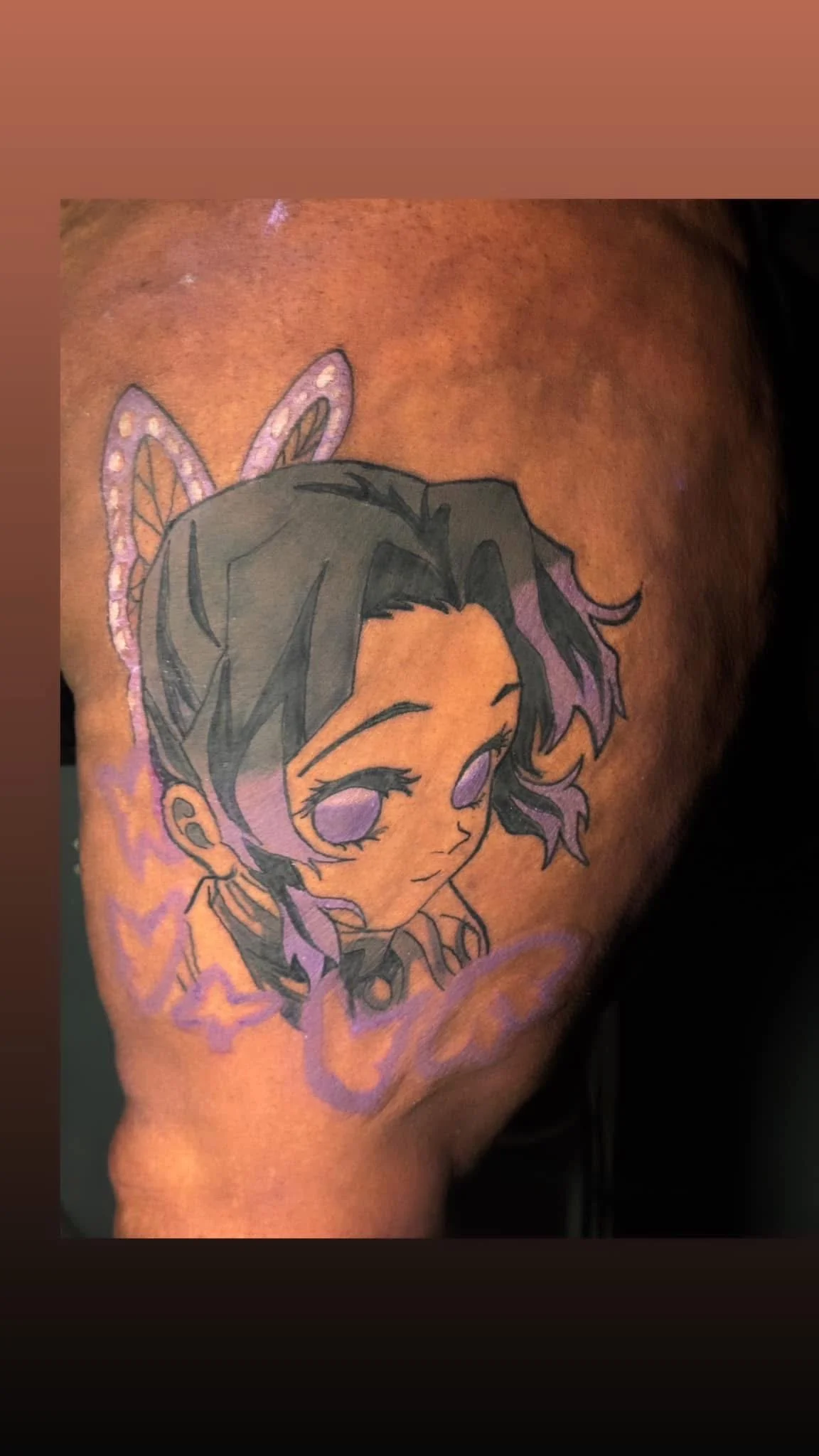
Having sensitive skin doesn't automatically mean you have to give up the idea of getting a tattoo.
In fact, many people with sensitive skin enjoy beautifully healed tattoos for years without experiencing unusual complications. The difference often comes down to preparation, communication, and choosing an experienced tattoo artist who understands how different skin types respond during the tattooing process.
If you've ever experienced irritation from skincare products, jewelry, adhesives, or certain fabrics, it's natural to wonder whether your skin can tolerate tattooing. The good news is that skin sensitivity is not a one-size-fits-all condition, and professional tattoo artists regularly work with clients who have varying skin types.
Before booking your appointment, it's worth understanding what "sensitive skin" actually means, how it may affect your tattoo experience, and what steps you can take to give your skin the best chance of healing well.
Can People With Sensitive Skin Get Tattoos?
Yes. Most people with sensitive skin can safely get tattooed when they work with an experienced professional and follow proper aftercare.
Success depends on several factors, including:
✔ Choosing a reputable tattoo studio
✔ Discussing your skin history during the consultation
✔ Following aftercare instructions carefully
✔ Avoiding known skin irritants
✔ Allowing enough time for proper healing
If you have a diagnosed skin condition or are unsure how your skin may react, speak with your healthcare provider before scheduling your appointment.
Sensitive Skin Means Different Things to Different People
Many clients describe their skin as "sensitive," but that can refer to a wide range of experiences.
For some people, sensitivity means:
Skin that reddens easily
Mild irritation after using certain products
Dry or reactive skin
Seasonal skin flare-ups
For others, it may involve diagnosed skin conditions that require additional consideration.
This is why an honest conversation during your tattoo consultation is so important. Your artist isn't there to judge your skin. They're there to understand how to work with it safely.
How Tattooing Affects the Skin
Every tattoo creates thousands of tiny punctures that place pigment into the dermis, the layer beneath the skin's surface.
Your body immediately responds by:
Triggering inflammation
Beginning tissue repair
Producing new skin cells
Stabilising the tattoo pigment
Even people without sensitive skin experience temporary redness, swelling, and tenderness after a tattoo. These responses are part of the normal healing process.
The American Academy of Dermatology explains that mild redness and swelling are common after skin procedures because the body is initiating its natural healing response.
A Professional Consultation Matters Even More
If you have sensitive skin, never skip the consultation.
This gives your tattoo artist an opportunity to discuss:
Previous skin reactions
Allergies you already know about
Current medications
Areas of skin that are more reactive
Your tattoo goals
Many clients are surprised by how much planning happens before the tattoo itself.
An experienced tattoo artist in Atlanta understands that every client's skin responds differently, and adjustments can often be made to improve comfort throughout the appointment.
Choosing the Right Placement
Some areas of the body naturally experience more friction than others.
If your skin is easily irritated, consider how your daily routine affects different body parts.
For example:
Arms
Often easier to protect during healing and generally experience less friction than other areas.
Shoulders
Can be affected by backpack straps, handbags, or fitted clothing.
Feet
Shoes and constant movement may increase irritation while healing.
Rib Area
Movement from breathing and clothing can make the area feel more sensitive during recovery.
Choosing the right location isn't just about aesthetics. Comfort during healing is equally important.
Skin Sensitivity Doesn't Always Mean More Pain
One of the biggest myths is that sensitive skin automatically means tattooing will be significantly more painful.
Pain perception varies because of several factors, including:
Tattoo placement
Individual pain tolerance
Tattoo duration
Sleep quality
Stress levels
Many clients with sensitive skin report discomfort that is very similar to friends or family members without skin sensitivity.
Why Studio Hygiene Is Especially Important
Every client deserves a clean, professional environment, but this becomes even more important when your skin reacts easily.
A reputable tattoo studio should use:
Sterile, single-use needles
Professional-grade inks
Fresh gloves throughout the procedure
Clean workstations
Proper skin preparation techniques
Choosing a studio that follows strict hygiene standards helps minimise unnecessary risks while supporting healthy healing.
Aftercare Can Make the Biggest Difference
The tattoo appointment lasts a few hours.
Healing lasts much longer.
Following aftercare instructions consistently gives your skin the best opportunity to recover.
General recommendations include:
✔ Wash your hands before touching your tattoo.
✔ Keep the area clean.
✔ Moisturise only with products recommended by your tattoo artist.
✔ Avoid scratching or picking at peeling skin.
✔ Protect your tattoo from prolonged sun exposure.
Clients with sensitive skin should avoid experimenting with heavily fragranced lotions or products they have never used before during the healing period.
Should You Test New Skincare Products Before Your Tattoo?
If you have eczema or frequently experience skin irritation, the National Eczema Association provides practical information about protecting sensitive skin and identifying common triggers before introducing new skincare products.
Instead:
Use products you've previously tolerated well, unless your artist recommends otherwise.
Avoid products containing strong fragrances or harsh exfoliants.
Ask your tattoo artist if you're unsure about any product you're planning to use.
Keeping your routine simple often helps reduce unnecessary irritation.
Common Concerns From Clients With Sensitive Skin
"Will my tattoo stay red longer?"
Some people experience redness for a slightly longer period, but healing varies from person to person.
"Will the ink be rejected?"
True ink rejection is uncommon. Most healing concerns are related to irritation or aftercare rather than the pigment itself.
"Should I book a shorter session?"
For larger tattoos, some artists may recommend dividing the work into multiple appointments depending on the project and your comfort level.
Healthy Habits That Support Healing
Your overall health influences how your skin recovers.
Before your appointment:
Stay hydrated.
Get a good night's sleep.
Eat a balanced meal.
Avoid arriving with sunburned or damaged skin.
After your appointment:
Continue drinking plenty of water.
Wear loose clothing around the tattoo.
Follow all aftercare instructions provided by your artist.
Healthy skin generally heals more comfortably than skin already under stress.
When to Delay Your Tattoo
If you're experiencing an active skin condition, infection, or an unexplained rash, it's worth seeking medical advice before proceeding. Mayo Clinic offers reliable guidance on recognising skin infections and understanding when professional medical evaluation is appropriate.
Consider postponing your appointment if you currently have:
An active skin infection
Significant sunburn
Open wounds near the tattoo area
A flare-up of a skin condition affecting the planned placement
Discussing these situations during your consultation helps your artist recommend the safest approach.
Choosing the Right Tattoo Artist
If you have sensitive skin, experience matters.
Look for an artist who:
Takes time to answer questions
Encourages consultations
Maintains excellent hygiene
Provides clear aftercare instructions
Has consistently positive client reviews
A professional tattoo artist doesn't simply create beautiful artwork. They also help clients feel informed, comfortable, and prepared before the appointment begins.
FAQs
Can people with sensitive skin safely get tattoos?
Yes. Many people with sensitive skin get tattoos successfully by choosing an experienced artist, discussing their skin history beforehand, and following proper aftercare.
Should I tell my tattoo artist that I have sensitive skin?
Absolutely. Sharing information about previous skin reactions or allergies allows your artist to plan your appointment more effectively.
Does sensitive skin increase healing time?
Not necessarily. Healing varies between individuals and depends on several factors, including overall health, placement, and aftercare.
Can I use my normal skincare products after getting tattooed?
If your products have never caused irritation and your tattoo artist approves, you may continue using them around the tattoo. Avoid applying fragranced or harsh products directly to the healing tattoo unless recommended.
Should I avoid tattoos if I have eczema or another skin condition?
If you have a diagnosed skin condition, it's best to consult your healthcare provider before getting tattooed, particularly if the planned tattoo area is affected.
Final Thoughts
Sensitive skin doesn't have to prevent you from getting a meaningful tattoo.
The key is approaching the process with preparation rather than hesitation. By choosing an experienced tattoo artist in Atlanta, communicating openly during your consultation, and following professional aftercare advice, you can give your skin the support it needs throughout the healing process.
Every person's skin is different, but informed decisions, realistic expectations, and quality workmanship often lead to the best long-term results.