
What Actually Happens Under Your Skin When You Get a Tattoo? The Science Explained
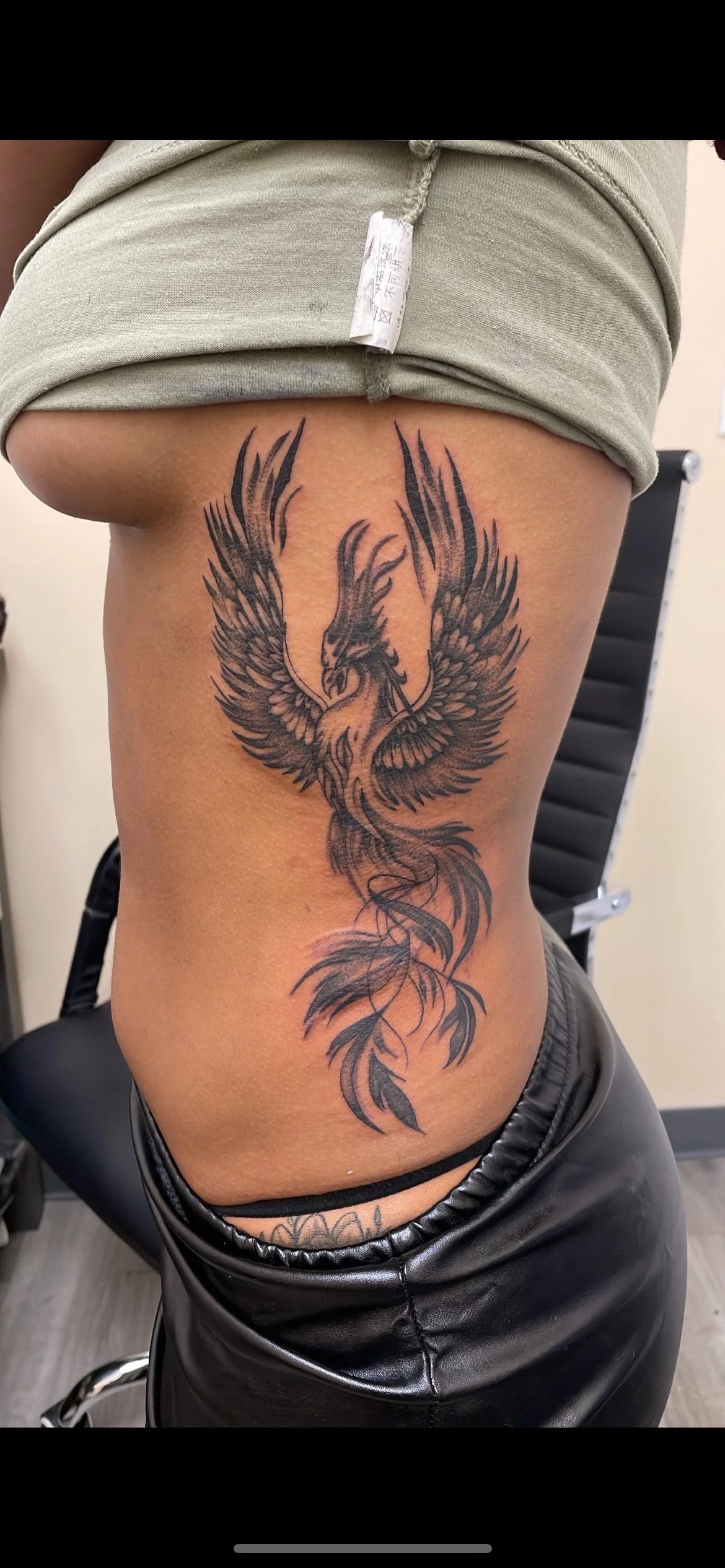
A tattoo can look deceptively simple from the outside.
You see a needle moving across the skin, ink entering the area, and eventually a finished design.
But underneath that artwork, your body is doing something much more complicated.
Tattooing creates a controlled injury to the skin while depositing pigment into a specific layer. Your immune system responds to the injury, cells interact with the pigment, the skin repairs itself, and some of the ink remains in the dermis to create the tattoo you see years later.
So what actually happens beneath the surface?
Understanding the science of tattoo healing can make the tattooing and aftercare process much easier to understand.
First, Let's Look at the Layers of Your Skin
To understand how tattoos work, it helps to understand basic skin anatomy.
Your skin has three primary layers:
Epidermis
Dermis
Subcutaneous tissue
The epidermis is the outermost layer.
It continually renews itself, which is one reason tattoo ink cannot simply be placed there. If pigment remained exclusively in the epidermis, it would gradually disappear as those skin cells were shed and replaced.
The dermis sits underneath the epidermis.
This layer contains structures including blood vessels, nerves, connective tissue, hair follicles, and various cells involved in immune responses and tissue repair.
This is where tattoo pigment is primarily deposited.
Below the dermis is the subcutaneous layer, which contains more fatty tissue.
A professional tattoo artist needs to work at an appropriate depth. Going too shallow can affect how the tattoo heals and appears, while going excessively deep can cause unnecessary tissue trauma and other complications.
What Happens When the Needle Enters Your Skin?
A tattoo machine moves a needle rapidly into the skin.
Each penetration creates a microscopic puncture.
The needle carries pigment into the skin during these repeated movements.
This process produces thousands of tiny injuries across the tattooed area.
Your body doesn't recognise those punctures as artwork.
It recognises them as tissue damage.
That immediately activates your body's repair and immune systems.
This is one reason a fresh tattoo may appear red, swollen, or irritated immediately after a session.
The Epidermis Is Not Where You Want the Permanent Ink
This is one of the most important concepts in understanding how tattoos heal scientifically.
The epidermis is constantly renewing.
Cells move through the epidermal layers and are eventually shed from the skin's surface.
If tattoo pigment were deposited only in this superficial layer, much of it would disappear as those cells were replaced.
The dermis is different.
Its structure is more stable.
When pigment is placed within the dermis, it can remain there for years.
That doesn't mean the ink is completely untouched.
The tattoo continues to interact with your body over time.
Your Immune System Immediately Notices the Tattoo
Once the skin has been punctured, your immune system responds.
Among the cells involved are macrophages, a type of immune cell that helps identify and deal with foreign material and damaged cellular material.
Macrophages can engulf particles through a process known as phagocytosis.
Tattoo pigment particles can therefore become trapped inside these cells.
This helps explain one of the fascinating questions surrounding tattoo permanence:
If immune cells can remove foreign material, why doesn't your tattoo simply disappear?
The answer is more complicated than simply saying that the ink "stays in the skin."
Macrophages Help Explain Why Tattoos Stay Visible
When macrophages encounter tattoo pigment, some pigment particles are engulfed and retained inside the cells.
Over time, some of these cells die.
The pigment can then be released and taken up by other macrophages.
In other words, some of the pigment is effectively recycled between immune cells within the dermis.
This contributes to the long-term persistence of tattoo pigment.
Research published through the National Institutes of Health has examined the role of macrophages in tattoo persistence and pigment retention. The National Library of Medicine provides access to extensive scientific literature on tattoo biology and skin responses.
Why Does a Fresh Tattoo Look So Different?
Immediately after tattooing, the skin isn't simply holding pigment.
It's also reacting to trauma.
The area may look:
Red
Swollen
Shiny
Darker than expected
Slightly irritated
More saturated than the healed tattoo
Some of the appearance comes from the fresh pigment.
Some come from inflammation and temporary changes in the skin.
There's also a small amount of blood, tissue fluid, and plasma involved in the body's response.
This is why comparing a tattoo immediately after a session with the final healed result can be misleading.
The First Stage of Healing: Inflammation
The first part of the tattoo healing process is closely associated with inflammation.
Your body increases activity in the affected area.
Blood vessels respond, immune cells become involved, and the skin begins repairing the microscopic injuries created by the needles.
This can result in:
Warmth
Redness
Mild swelling
Tenderness
The degree of these effects can vary depending on the tattoo's size, placement, session length, and individual skin response.
The inflammation is part of the body's normal response to tissue injury.
Next Comes the Repair Process
As the initial inflammatory response settles, your body continues repairing the damaged tissue.
New cells and structural components help restore the skin.
Meanwhile, the epidermis continues its normal renewal process.
This is why the tattoo can begin to:
Dry
Peel
Flake
Itch
Change in appearance
Many first-time clients become concerned when they see peeling.
But peeling doesn't necessarily mean the tattoo is losing all its pigment.
The outer skin is undergoing its normal renewal while the deeper dermal tissue continues healing.
Why Does a Healing Tattoo Itch?
Itching is a common part of the healing process.
As the skin repairs itself and the outer layer changes, sensations can occur around the tattoo.
The temptation to scratch can be strong.
But scratching or picking at healing skin can interfere with recovery and potentially damage the area.
That's why professional aftercare instructions are so important.
The American Academy of Dermatology provides general guidance about caring for injured and healing skin, including the importance of protecting damaged skin while it recovers.
Where Does the Ink Actually End Up?
The answer isn't as simple as saying that ink forms a permanent layer underneath the skin.
Instead, tattoo pigment becomes distributed within the dermal tissue.
Some pigment particles exist within cells.
Others can remain within the surrounding tissue.
The body's immune system continues interacting with the pigment over time.
This dynamic relationship helps explain why tattoos can remain visible for decades while also gradually changing in appearance.
Why Do Tattoos Fade?
Tattoo permanence doesn't mean a tattoo stays visually identical forever.
Several factors can contribute to changes in appearance.
Sun Exposure
Ultraviolet radiation can contribute to pigment degradation and changes in the skin.
Skin Aging
Skin naturally changes as you get older.
Pigment Characteristics
Different pigments can behave differently within the skin.
Tattoo Technique
Ink placement and the way the tattoo was originally created can influence long-term appearance.
Body Location
Some areas experience more friction, movement, or environmental exposure than others.
This is why tattoo aftercare and long-term skin protection matter.
Why Professional Tattoo Technique Matters
Understanding what happens underneath the skin also explains why artist technique is important.
A tattoo artist isn't simply drawing on the surface.
They are depositing pigment into living tissue.
Needle depth, hand speed, machine settings, skin characteristics, and technique can all influence how the tattoo is created.
If pigment is placed too superficially, the tattoo may not heal as expected.
If the skin experiences excessive trauma, healing can become more complicated.
Professional tattoo artists therefore need to balance pigment placement with controlled tissue trauma.
Skin Thickness Isn't Identical Everywhere
Another reason tattooing requires experience is that the body doesn't have identical skin characteristics everywhere.
The skin on your forearm isn't exactly the same as the skin around other parts of your body.
Differences in tissue structure, movement, and anatomy can influence how an artist approaches the tattoo.
An experienced tattoo artist in Atlanta understands that a design isn't simply transferred from paper to skin.
The technique needs to account for the person and the placement.
Why Some Tattoos Look Softer After Healing
A freshly completed tattoo can look extremely sharp and saturated.
After healing, it may appear slightly softer.
That's expected.
The initial surface condition of the skin changes as the epidermis repairs and renews.
The pigment settles within the deeper skin environment, and the overall appearance becomes closer to what you'll see long term.
This is why professional artists often advise clients to judge the final result after the tattoo has properly healed rather than immediately after the appointment.
What Happens to Tattoo Ink Years Later?
Tattoo pigment doesn't simply sit motionless in the skin for the rest of your life.
The body continues to interact with it.
Macrophages and other cells can process pigment particles.
Some particles may migrate through the body's lymphatic system.
The immune system continues to monitor and respond to foreign particles.
Yet enough pigment remains in the dermal environment to maintain the visible tattoo.
This ongoing interaction is one of the most interesting aspects of tattoo ink under the skin.
Why Laser Tattoo Removal Works Differently
The science of tattoo permanence also helps explain tattoo removal.
Laser tattoo removal doesn't simply "erase" the tattoo from the surface.
Instead, laser energy is used to break pigment into smaller particles that the body can subsequently process and clear more effectively.
The process generally requires multiple treatments because pigment characteristics, tattoo depth, colour, age, and individual factors can all affect the response.
The American Society for Dermatologic Surgery provides consumer information about dermatologic procedures, including tattoo removal.
The Tattoo You See Is Only the Surface of a Much Bigger Process
A tattoo may look like a permanent drawing.
Biologically, it's much more interesting.
A professional tattoo session involves:
Needle penetration → pigment deposition → tissue injury → immune response → macrophage activity → skin repair → pigment retention
The final image is the visible result of all those processes happening beneath the surface.
That's also why choosing a professional studio matters.
You're not simply purchasing artwork.
You're trusting an artist to work with your skin.
How to Support the Healing Process
Once your tattoo is finished, your responsibility changes.
Your artist creates the tattoo, but you need to care for the healing skin.
Follow the specific aftercare instructions provided by your professional artist.
Generally, this means protecting the tattoo from unnecessary irritation and avoiding behaviours that could interfere with healing.
Don't pick at peeling skin.
Don't scratch aggressively.
Be cautious about activities that expose a fresh tattoo to excessive friction or contamination.
And protect healed tattooed skin from excessive UV exposure.
FAQs
What layer of skin does tattoo ink go into?
Tattoo pigment is primarily deposited in the dermis, the deeper layer of skin beneath the epidermis. This allows the pigment to remain in the skin rather than being continually shed with surface skin cells.
Why doesn't tattoo ink disappear when the skin renews?
The epidermis constantly renews itself, but tattoo pigment is primarily placed deeper in the dermis. Immune cells such as macrophages also interact with the pigment, contributing to its long-term retention.
What do macrophages do to tattoo ink?
Macrophages can engulf tattoo pigment particles. When these immune cells eventually die, pigment can be released and taken up by other macrophages, helping explain why tattoo pigment can remain visible for many years.
Why does a tattoo peel while it heals?
Tattooing causes controlled injury to the skin. As the skin repairs itself, the epidermis can become dry and peel. Following professional aftercare instructions helps protect the healing area.
Does tattoo ink stay exactly where it was injected?
Not necessarily. Some pigment can be processed by immune cells and some particles may move within the body. However, a significant amount can remain within the dermal tissue and maintain the visible tattoo.
Final Thoughts
A tattoo is far more than ink placed beneath the skin.
It is the result of an interaction between tattoo technique, skin anatomy, pigment, and the body's immune system.
The needle creates microscopic injuries. Pigment enters the dermis. Macrophages interact with the particles. The skin begins repairing itself. Over time, the tattoo settles into its long-term appearance.
Understanding this process also explains why professional technique and proper aftercare matter.
If you're considering a tattoo in Atlanta, don't just think about the design.
Think about the person putting it into your skin.
A knowledgeable tattoo artist in Atlanta should understand the importance of appropriate technique, placement, healing, and client education.
The artwork may be what everyone sees.
But underneath it, your skin is telling a much more fascinating story.