
Tattoo Infection Prevention in Atlanta: What Research and Public Health Guidance Recommend
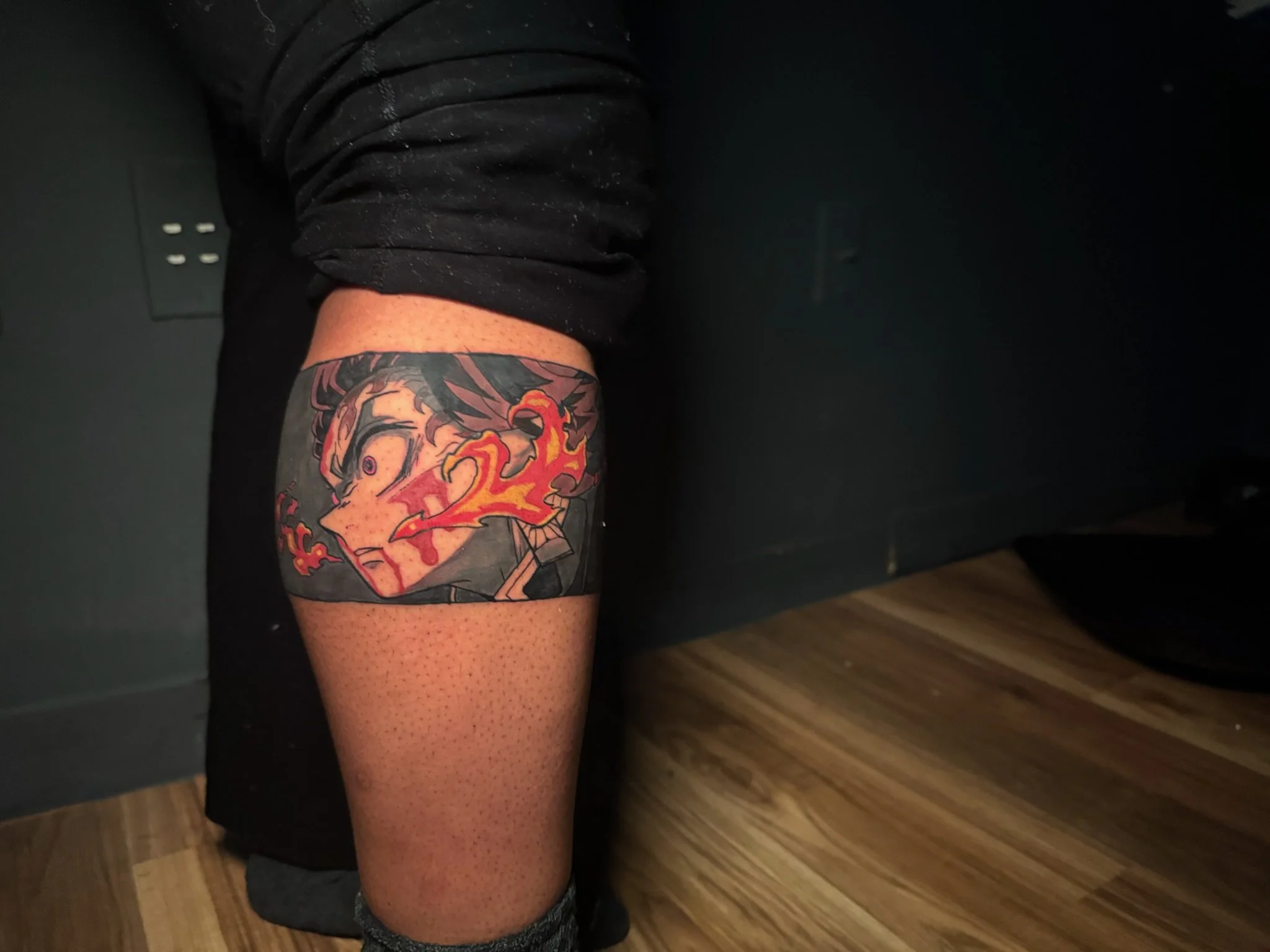
Getting a tattoo is a personal experience, but the process also involves important health and safety considerations. Tattooing creates tiny openings in the skin, which means contaminated equipment, unsafe handling practices, or improperly prepared ink can introduce harmful microorganisms into the body.
As a tattoo studio owner in Atlanta, I believe clients should understand what responsible infection prevention looks like before they sit in the chair. Good artwork matters, but so does the process behind it. Clean workspaces, appropriate sterilization, careful handling of supplies, and clear aftercare instructions are essential parts of professional tattooing.
Public health guidance makes one thing clear: infection prevention is not a single action. It is a series of precautions that must be followed consistently before, during, and after every tattoo procedure.
Why Is Infection Prevention Important During Tattooing?
Tattooing involves repeatedly depositing pigment into the skin using needles. Because the procedure breaks the skin's protective barrier, bacteria and other microorganisms can potentially enter the tissue if equipment, ink, hands, or the surrounding work area become contaminated.
Possible complications include localized skin infections and, in some circumstances, more serious infections. Improperly sterilized equipment can also create a risk of transmitting bloodborne pathogens.
Research published by the Centers for Disease Control and Prevention has documented outbreaks of skin infections associated with contaminated tattoo ink. In some investigations, the contamination was linked to ink products before they were used, demonstrating that infection risks can exist even when an artist follows appropriate hygiene practices.
The CDC's report on tattoo-associated nontuberculous mycobacterial infections highlights why sterile ink products, sterile water when dilution is necessary, and appropriate hygienic practices are important.
For clients looking for a professional tattoo shop in Atlanta, understanding these risks can help them ask informed questions and recognize why safety procedures deserve as much attention as the artwork.
What Does Georgia Public Health Guidance Require?
Georgia has statewide regulations governing body art studios and practitioners. These rules establish standards for certification, hygiene, equipment handling, workspace sanitation, and client aftercare.
The Georgia Department of Public Health's body art program provides information about state requirements, artist certification, and studio permitting.
The regulations are designed to protect both clients and practitioners. They address practical parts of the tattooing process, including handwashing, the use of protective equipment, preventing cross-contamination, cleaning work surfaces, and providing aftercare instructions.
As a studio owner, I see these requirements as a baseline for responsible professional practice. Infection prevention should not depend on an artist's personal preference or on how busy the studio happens to be. The same essential precautions must be maintained for every client.
Clients can also ask about applicable certification and studio requirements when researching tattoo artists in Atlanta.
1. Hand Hygiene and Protective Gloves
Clean hands are one of the foundations of infection prevention. Tattoo artists handle equipment, prepare work areas, and come into contact with surfaces that may become contaminated during a procedure.
Georgia's body art rules require appropriate hand hygiene and universal precautions. Gloves provide an additional barrier, but they do not replace handwashing.
A responsible process includes:
Washing hands at the appropriate points before and during the procedure.
Using suitable disposable gloves and changing them when contaminated or when a task requires a fresh pair.
Avoiding contact between contaminated gloves and clean supplies, personal items, or other surfaces.
Repeating hand hygiene when gloves are removed and whenever contamination may have occurred.
Covering cuts or abrasions appropriately and following applicable health and safety requirements.
A common misconception is that wearing gloves alone makes a procedure safe. In reality, gloves can become contaminated just like other surfaces. Proper hand hygiene and careful handling must work together.
2. Sterile Needles and Proper Equipment Handling
Tattoo needles penetrate the skin, so their sterility is critical. Needles and other designated single-use items should be sterile before use and disposed of safely after the procedure.
Reusable equipment that requires sterilization must be processed using appropriate methods and procedures. Sterile supplies must also be stored and handled in ways that preserve their condition until they are needed.
Georgia's body art regulations establish requirements for equipment, sterilization, and the prevention of contamination. The official Georgia body art rules provide detailed information about the standards applicable to studios and practitioners.
During a tattoo appointment, clients can look for basic signs of responsible preparation. For example, sterile single-use supplies should be opened appropriately, and used needles should be placed in designated sharps containers rather than left on the work surface.
The important point is that sterile equipment must remain protected from contamination throughout the process. Opening a sterile item is only one part of that responsibility.
3. Preventing Cross-Contamination in the Work Area
Cross-contamination happens when microorganisms or potentially infectious material transfer from one person, object, or surface to another.
In a tattoo studio, possible sources include worktables, machine components, bottles, switches, chairs, and other frequently touched surfaces. Even a small lapse in handling can compromise an otherwise carefully prepared setup.
Infection prevention requires a deliberate workflow. Work surfaces should be cleaned and disinfected using appropriate products, protective barriers should be replaced between clients and when contaminated, and clean supplies should remain separate from used equipment.
Artists also need to pay attention to what they touch during a session. If a glove contacts a phone, door handle, or another potentially contaminated surface, the artist must follow appropriate glove-changing and hand hygiene procedures before continuing.
As an owner, I believe these routine actions are among the most important parts of professional tattooing. Clients may focus on the needle and the artwork, but the entire work environment contributes to the safety of the procedure.
4. Why Tattoo Ink Safety Matters
Infection prevention is not limited to needles and surfaces. Tattoo ink can also be a source of contamination.
The CDC has documented infections associated with contaminated tattoo inks, including products contaminated before reaching the studio. This is an important reminder that proper handling at the studio cannot correct every problem that may originate earlier in the supply chain.
Responsible ink practices include using suitable products from reliable sources, following manufacturer instructions, avoiding unsafe dilution, and preventing contamination of ink containers during use.
When dilution is necessary, sterile water should be used in accordance with applicable guidance and professional requirements. Tap water or other nonsterile liquids should not be substituted.
Artists must also avoid returning unused ink from a working portion back into the original container. Practices that introduce used materials into clean supplies can contaminate products intended for future use.
These precautions help reduce avoidable risks, although no procedure can guarantee that infection will never occur.
5. Skin Preparation and Knowing When to Postpone a Tattoo
The client's skin also needs to be considered before tattooing begins. Skin that shows signs of infection, an active rash, or other concerning changes may not be suitable for the procedure.
Georgia's body art regulations restrict tattooing over areas that show signs of infection or certain skin abnormalities. If something appears concerning, postponing the appointment may be the safer decision.
Clients should tell their artist about relevant skin concerns before the procedure. They should also avoid hiding symptoms simply because they have already booked an appointment.
As a studio owner, I would rather have a client ask a question or reschedule when necessary than proceed without properly addressing a potential health concern. Responsible tattooing includes knowing when not to tattoo.
6. Aftercare Is Part of Infection Prevention
Infection prevention does not end when the tattoo session is finished. A fresh tattoo is healing skin, and the client's care during recovery plays an important role.
Professional studios should provide clear verbal and written aftercare instructions. Georgia's body art rules address the provision of aftercare guidance, including instructions on cleaning, what to avoid, and signs that may require medical attention.
General aftercare principles include:
Wash your hands before touching the tattoo during necessary care.
Follow the artist's instructions for cleaning and protecting the area.
Avoid picking at scabs or scratching healing skin.
Avoid exposing the fresh tattoo to activities or environments that may introduce contamination.
Do not apply unapproved products or harsh cleaning chemicals.
Seek medical advice if symptoms suggest a possible infection.
Some redness, tenderness, and swelling can occur during early healing. However, worsening pain, spreading redness, increasing warmth, pus, or fever can indicate a problem that needs medical assessment.
For clients exploring tattoo services in Atlanta, asking about aftercare before the appointment is a practical way to understand what will be expected once they leave the studio.
How Can Clients Evaluate a Tattoo Studio's Safety Practices?
Clients do not need to be infection-control experts to ask sensible questions. A professional studio should be willing to explain its safety procedures in clear, understandable terms.
Before booking, consider asking:
Are the artists appropriately certified under Georgia's applicable requirements?
How are single-use needles and other disposable supplies handled?
What sterilization procedures are used for reusable equipment when applicable?
How are work surfaces cleaned and disinfected between clients?
What steps are taken to prevent cross-contamination?
Will I receive written aftercare instructions?
Pay attention to how the studio responds. Clear explanations and consistent procedures are more meaningful than broad promises that everything is safe.
At Southern Ink, Atlanta, we believe clients should feel comfortable asking about the process behind their tattoo. Good communication helps people understand what to expect and reinforces the importance of responsible professional standards.
Frequently Asked Questions
1. What is the most important way to prevent infection during tattooing?
There is no single precaution that prevents every infection. Effective prevention combines hand hygiene, sterile needles and appropriate equipment handling, clean work surfaces, safe ink practices, and proper aftercare.
2. Can you get an infection from tattoo ink?
Yes. Contaminated ink has been associated with tattoo-related infections, including cases in which contamination occurred before the ink was used. Appropriate product selection and handling help reduce risk, but they cannot eliminate every possible source of contamination.
3. Does wearing gloves guarantee a safe tattoo?
No. Gloves are an important protective barrier, but they can become contaminated. Proper hand hygiene, appropriate glove changes, sterile supplies, and careful work practices are also necessary.
4. What are the warning signs of an infected tattoo?
Warning signs can include worsening pain, spreading redness, increasing swelling or warmth, pus, and fever. Some early tenderness and redness may be expected, but symptoms that worsen or appear concerning should be assessed by a healthcare professional.
5. What public health rules apply to tattoo studios in Atlanta?
Georgia's statewide body art regulations establish requirements for practitioners and studios, including certification, hygiene, equipment handling, sanitation, and aftercare. Clients can consult the Georgia Department of Public Health for official guidance and current information.
Final Thoughts: Safety Is Part of Professional Tattooing
Research and public health guidance show that infection prevention depends on a complete process. Sterile equipment, clean work areas, safe ink handling, proper hand hygiene, and clear aftercare instructions each play a role in reducing risk.
As a tattoo studio owner in Atlanta, I believe responsible tattooing means taking these details seriously every time. Artistic skill is important, but it must be supported by consistent safety practices and a willingness to answer clients' questions honestly.
If you are considering a tattoo, take time to research the studio, ask about its procedures, and understand how to care for your new tattoo. At Southern Ink, Atlanta, we encourage clients to make informed decisions and view health and safety as an essential part of the tattoo experience.
Disclaimer: This article provides general educational information and is not a substitute for medical advice or an official interpretation of Georgia law. If you suspect a tattoo infection, contact a qualified healthcare professional promptly. For current regulatory requirements, consult the Georgia Department of Public Health or the appropriate local health authority.