
Atlanta's Creative Economy and the Role of Independent Tattoo Artists
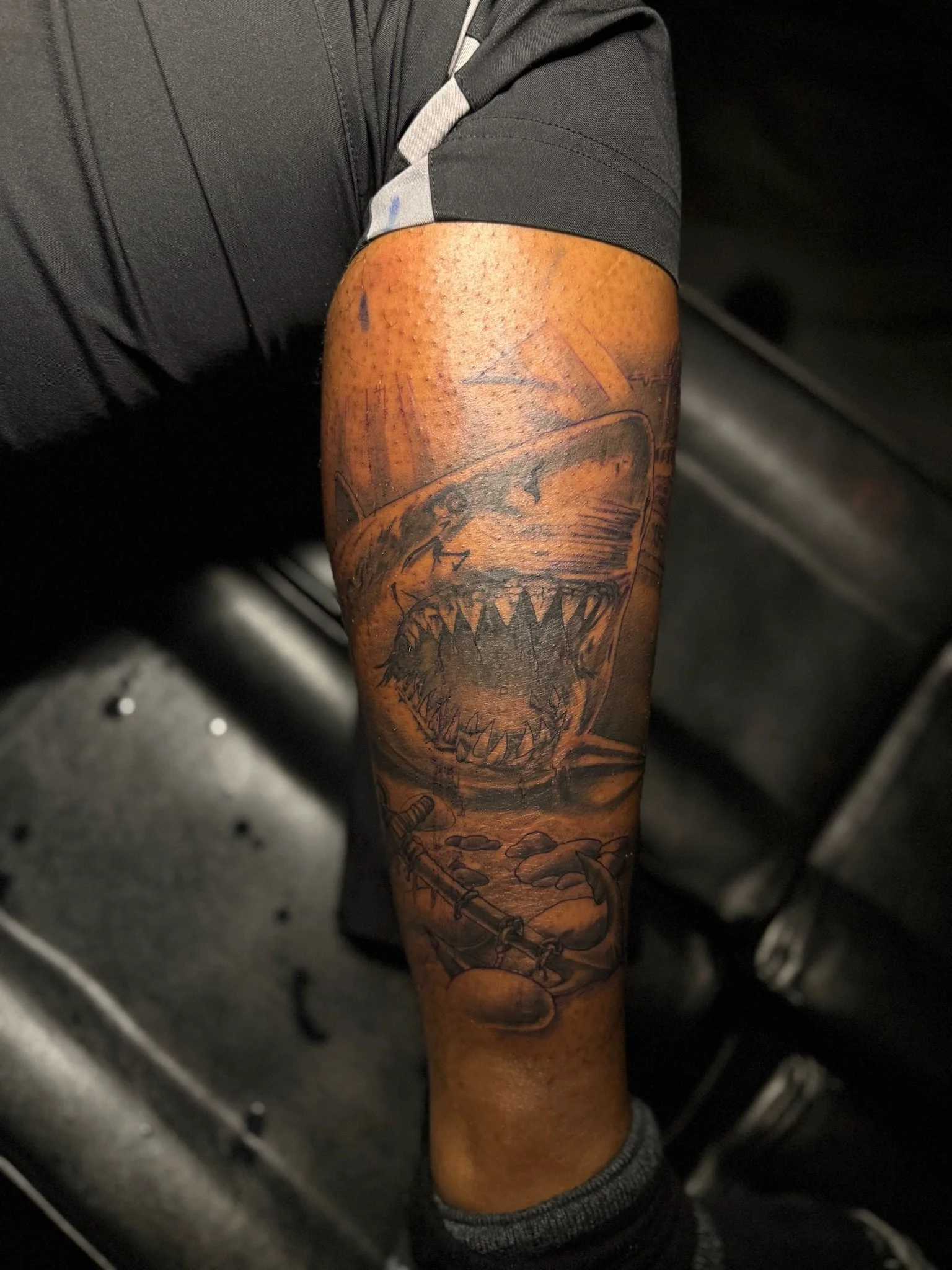
Atlanta's creative economy is built on more than music, film, fashion, and visual art. It also grows through independent creatives who turn personal ideas into original work, build relationships with their communities, and contribute to the city's distinctive cultural identity. Tattoo artists are part of that story.
As a tattoo studio owner in Atlanta, I see tattooing as more than a service. It is a form of visual storytelling that brings together artistic skill, personal expression, and human connection. Every custom design starts with an idea, but the finished piece can become something much more meaningful to the person who wears it.
Independent tattoo artists play an important role in Atlanta's creative economy because they create original artwork, develop specialized skills, support local business activity, and help keep the city's artistic culture moving forward.
What Is Atlanta's Creative Economy?
Atlanta's creative economy includes people and businesses that produce cultural, artistic, and creative work. This can include musicians, filmmakers, photographers, graphic designers, fashion designers, visual artists, performers, and tattoo professionals.
These creatives contribute through their work, but their economic influence can extend beyond the artwork itself. Creative businesses purchase supplies, rent workspaces, invest in equipment, build professional networks, and create reasons for people to explore local neighborhoods and support other businesses.
The economic value of the arts is also measurable on a national scale. According to the National Endowment for the Arts, arts and cultural industries contributed approximately $1.2 trillion to the U.S. economy in 2023, representing 4.2% of gross domestic product. Tattooing is only one part of the wider creative landscape, but it belongs in conversations about how artistic work contributes to economic activity and cultural life.
The National Endowment for the Arts' research on the economic contribution of the arts offers a broader look at this connection.
In Atlanta, independent artists help bring that creative energy into everyday life. Their work gives people opportunities to experience original art outside traditional galleries, museums, and performance spaces.
Why Independent Tattoo Artists Matter to Atlanta's Art Scene
Independent tattoo artists combine creative freedom with the responsibility of running a professional practice. They develop individual artistic approaches, build portfolios, refine techniques, and create work based on the needs and ideas of their clients.
Their contribution to Atlanta's art scene can be seen in several ways.
1. They Turn Personal Stories Into Original Artwork
A tattoo can represent a family connection, a life milestone, a cultural influence, a personal belief, or an important memory. Unlike artwork displayed on a wall, a tattoo becomes part of the person's everyday life.
As a studio owner, I believe that process deserves careful attention. A strong tattoo design is not simply an image copied onto skin. It requires listening, creative interpretation, thoughtful placement, and an understanding of how the artwork will look on the body.
This is one reason independent artists matter. Their ability to interpret an idea and develop it into an original composition helps make tattooing a distinctive form of visual art.
People researching Atlanta tattoo artists can explore different artistic approaches and consider which style best fits their personal vision.
2. They Bring Diverse Artistic Styles to the City
Tattooing encompasses a wide range of visual disciplines. Black-and-grey realism, fine-line work, traditional designs, illustrative compositions, surrealism, and other approaches each require different skills and artistic decisions.
This variety strengthens the creative landscape. Clients can find artists whose work reflects a particular aesthetic, while artists have opportunities to develop specialized techniques and build recognizable portfolios.
At our studio, we recognize that artistic individuality is part of what makes tattooing meaningful. The goal is not for every artist to produce the same kind of work. It is to respect each artist's strengths and help clients understand the possibilities available to them.
Exploring different tattoo styles in Atlanta can help people see how linework, contrast, shading, composition, and scale influence the finished design.
3. They Create Opportunities for Independent Creative Careers
Independent tattoo artists need more than artistic talent. Their work also involves scheduling, portfolio development, professional relationships, equipment, supply management, continuing education, and maintaining a consistent standard of service.
That combination of creativity and entrepreneurship is an important part of the independent business landscape.
The U.S. Small Business Administration provides research and resources on the role of small businesses in the economy. Its small business research and statistics help explain the broader environment in which independent professionals and small business owners operate.
For tattoo artists, building a sustainable career means balancing creative ambition with practical decisions. Reputation, reliability, professional development, and the quality of the client experience can all influence long-term success.
From my perspective as a studio owner, supporting artists means recognizing the business knowledge behind the artwork, not just the finished tattoo.
How Tattoo Studios Contribute to Local Business Activity
A tattoo studio is part of a wider network of local economic relationships. Artists rely on equipment suppliers, jewelry and accessory providers where relevant, printing services, photographers, digital platforms, and other professional services.
Studios also operate within local communities. Clients may travel from different parts of Atlanta and surrounding areas for an appointment, consultation, or a specific artist's work. That visit can become one part of a broader day spent in the area.
These connections do not mean every tattoo appointment produces the same economic effect. However, they show how independent creative businesses participate in the local economy through ordinary business operations and customer relationships.
For us, running a tattoo shop in Atlanta also means contributing to a professional environment where artistic work can be created, discussed, and experienced in person.
The value of a studio is not measured only by the number of appointments it completes. It also comes from the relationships it builds, the standards it maintains, and the opportunities it creates for artists to develop their craft.
The Importance of Artistic Independence and Collaboration
Independent tattoo artists need room to develop their own creative identities. Their portfolios reflect years of practice, experimentation, observation, and technical improvement. That individuality is part of the value they bring to the creative economy.
At the same time, independence does not mean working in isolation.
Artists can learn from one another, exchange ideas, share professional knowledge, and help clients make informed choices. A well-managed studio can create an environment where different specialties coexist without requiring every artist to follow the same creative direction.
I believe collaboration works best when artistic individuality is respected. Clients benefit from understanding an artist's strengths, while artists benefit from an environment that values skill, communication, and professional standards.
For custom tattoos in Atlanta, the creative process should begin with a conversation about the client's idea, the artist's approach, placement, size, and realistic expectations. That exchange allows the final design to develop through collaboration rather than relying on a one-size-fits-all approach.
Why Professional Standards Matter in a Creative Industry
Creativity is essential to tattooing, but artistic ability must be supported by responsible professional practices.
Tattooing involves procedures that affect the skin, so hygiene, appropriate equipment handling, informed consent, and aftercare education are fundamental responsibilities. These practices help protect clients and support the credibility of the industry.
Georgia has established statewide body art regulations covering artists and studios. The Georgia Department of Public Health's body art guidance provides information about certification, studio requirements, and relevant regulations.
As a studio owner, I see professional standards as part of the artistic responsibility we have to every client. A creative environment should also be an environment where people can ask questions, understand the process, and feel comfortable discussing their concerns.
Maintaining these standards helps independent tattoo artists build trust, strengthen their professional reputations, and contribute to a more responsible tattoo industry in Atlanta.
How Atlanta Can Continue Supporting Independent Tattoo Artists
A strong creative economy depends on people recognizing the value of original work and supporting the professionals who produce it.
Residents and visitors can support independent tattoo artists in practical ways:
Research artists by portfolio. Look for work that demonstrates the style, technique, and level of detail you want.
Respect the creative process. Original designs require time, discussion, and artistic judgment.
Understand pricing. Tattoo prices reflect factors such as design complexity, session length, placement, and the artist's experience.
Choose professional studios. Ask about hygiene, credentials, informed consent, and aftercare before booking.
Share and recommend good work responsibly. Genuine reviews and word-of-mouth recommendations can help people discover artists whose work fits their needs.
Recognize the business behind the art. Independent artists invest time and resources into developing skills, maintaining equipment, and managing their practices.
These actions help create an environment where artistic quality, professionalism, and individual expression can thrive together.
My Perspective as a Tattoo Studio Owner in Atlanta
I believe independent tattoo artists deserve to be recognized as part of Atlanta's wider creative community. Their work combines visual art, technical skill, entrepreneurship, and personal storytelling in a way that is both highly individual and deeply connected to the people they serve.
At Southern Ink, Atlanta, we value the role that artistic individuality plays in a meaningful tattoo experience. Each person arrives with a different idea, and each artist brings a distinct perspective to the process. That combination is what makes custom tattooing such a personal form of art.
Supporting independent tattoo artists means more than appreciating the final image. It means respecting the time behind the work, the knowledge required to perform it responsibly, and the independent businesses that help sustain creative opportunities in Atlanta.
Our city's creative economy benefits when original work is valued, local artists are given room to grow, and professional standards remain central to the industry. Tattooing is one part of that larger picture, but it is a part worth recognizing.
Frequently Asked Questions
1. How do independent tattoo artists contribute to Atlanta's creative economy?
Independent tattoo artists contribute through original artwork, self-employment, professional services, and business activity. They also help expand the city's visual culture by creating personalized artwork that reflects individual stories and artistic styles.
2. Why is tattooing considered a form of visual art?
Tattooing involves composition, linework, shading, contrast, color theory, and visual interpretation. Artists use these skills to develop designs that work with the body's shape and the client's ideas.
3. How do I choose an independent tattoo artist in Atlanta?
Review portfolios, look for experience in your preferred style, ask about the consultation process, and confirm that the artist follows applicable health and safety requirements. Choose an artist whose work and communication align with your expectations.
4. What role does a tattoo studio play in supporting independent artists?
A studio can provide a professional workspace, support safe practices, help clients connect with artists, and create an environment where individual specialties and creative approaches are respected.
5. Why should clients value custom tattoo designs?
Custom designs allow an artist to interpret a client's ideas in a way that considers placement, proportion, style, and personal meaning. The process can produce artwork that feels more specific to the individual than a generic design.
Final Thoughts
Atlanta's creative economy is shaped by people who turn their skills and ideas into work that others can experience and value. Independent tattoo artists are part of this community, contributing original artwork, entrepreneurship, and personal connections through every stage of the tattoo process.
As a tattoo studio owner, I see the importance of giving artists room to develop their own styles while maintaining the professional standards that clients deserve. When Atlanta recognizes the value of independent creative businesses, it helps support a cultural landscape where artistic expression and responsible entrepreneurship can grow together.