
The Anatomy of a Professional Piercing Consultation: What Should Happen Before the Needle
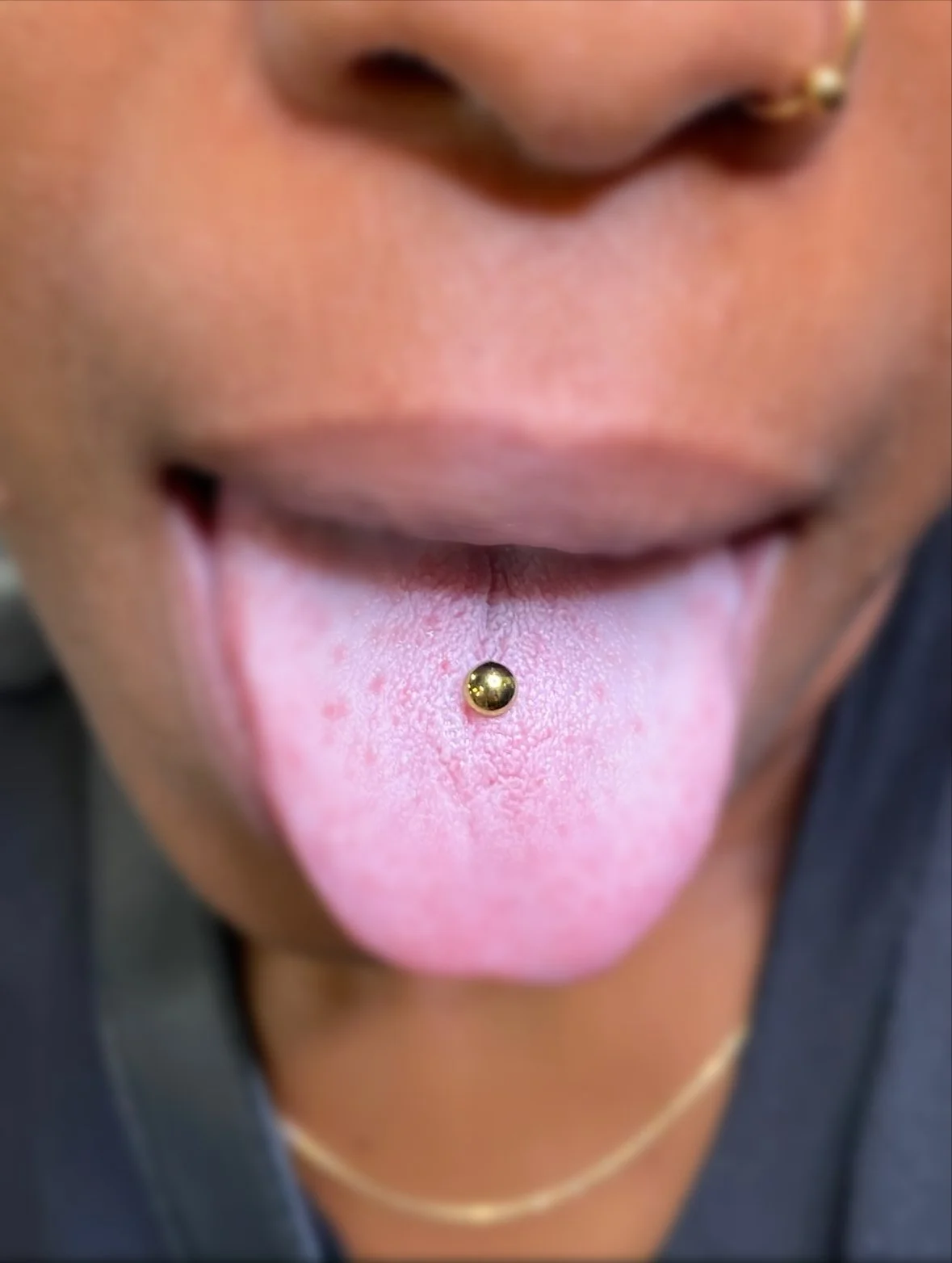
Getting a piercing can seem straightforward.
Choose the piercing you want, pick some jewellery, sit down, and get it done.
But a professional body piercing appointment should involve more thought than simply marking the skin and inserting jewellery.
Your anatomy matters.
The jewellery matters.
The placement matters.
Your lifestyle can matter.
Even the way your body is built can determine whether a particular piercing is suitable or whether another option may heal more successfully.
That is where a professional piercing consultation becomes important.
A consultation is the stage where a piercer assesses the individual, discusses the client's goals, explains the procedure, and helps create realistic expectations before the piercing takes place.
For anyone considering body piercing in Atlanta, understanding what happens during this conversation can make it easier to recognise a professional and client-focused studio.
Here is the anatomy of a professional piercing consultation and what you should reasonably expect before the needle is used.
1. It Starts With a Conversation About What You Want
A good consultation should begin with one simple question:
What are you hoping to get pierced?
The answer may sound obvious, but the conversation should go beyond naming a body part.
For example, a client asking for an ear piercing may be interested in:
Helix piercing
Forward helix
Conch piercing
Tragus piercing
Daith piercing
Flat piercing
Multiple lobe piercings
A client interested in nose jewellery may be deciding between a nostril piercing and a septum piercing.
Someone considering navel piercing may not realise that traditional navel anatomy and floating navel jewellery can require different approaches.
The piercer should ask questions about your preferred look, jewelry style, and long-term goals.
This is especially helpful if you are unsure of the exact piercing you want.
A professional consultation is not simply about taking an order.
It is about understanding the result you are trying to achieve.
2. Your Anatomy Should Be Assessed
This is one of the most important parts of a body piercing consultation.
Not every body is suited to every piercing in exactly the same way.
Piercers may assess factors such as:
Tissue shape
Available space
Skin folds
Cartilage structure
Placement options
Existing piercings
Symmetry
This is not about judging whether your body is "right" or "wrong."
It is about determining whether the anatomy can safely and appropriately support the piercing you want.
For example, the shape of the ear can affect jewelry placement and the amount of room available for multiple piercings.
Nasal anatomy can influence whether a nostril piercing is placed at a particular angle or location.
Navel anatomy may affect whether a traditional curved barbell is appropriate.
A knowledgeable professional piercer in Atlanta should be willing to explain these considerations clearly.
3. The Piercer Should Discuss Placement With You
Choosing the type of piercing is only the beginning.
Exact placement matters too.
A few millimetres can significantly change the appearance of some piercings.
During a consultation, the piercer may discuss:
Height
Angle
Symmetry
Distance from existing piercings
Jewelry visibility
How the placement works with your anatomy
For paired piercings, visual balance can be particularly important.
For ear projects involving several pieces of jewelry, the piercer may consider how one piercing will look alongside another.
This is why placement should not always be decided from a photo alone.
A reference image can be helpful, but your anatomy may require adjustments.
4. A Professional Piercer Should Talk About Jewelry Before Piercing
Jewelry is not simply an accessory added after the procedure.
For a fresh piercing, jewelry selection can be part of the piercing plan.
The consultation may include discussion about:
Jewelry material
Size
Gauge
Length
Shape
Threading
Room for swelling
A piece of piercing jewelry that looks perfect in a healed piercing may not necessarily be the best choice for a fresh one.
For example, initial jewelry may need to account for normal swelling during the early healing period.
As healing progresses, a piercer may later recommend changing the jewelry size.
The Association of Professional Piercers offers educational information about jewelry materials and appropriate standards for body piercing. Their initial jewelry guidance can help clients understand why material and design should not be treated as an afterthought.
5. Material Compatibility Should Be Part of the Discussion
During a professional consultation, you should be able to ask what the jewelry is made from.
Quality body jewelry may be made from materials selected for suitability in body piercing, depending on the specific product and intended use.
The conversation may cover materials such as:
Implant-grade titanium
Certain types of steel
Niobium
Appropriate solid gold jewelry
Other body-safe materials suitable for the specific piercing
A professional studio should be transparent about the jewelry it uses.
This is particularly important for clients with known sensitivities or concerns about certain metals.
Rather than simply choosing jewelry because it looks attractive, ask whether it is appropriate for a fresh piercing.
Our guide to body piercing Atlanta can also help clients understand why professional technique and jewelry quality should be considered together.
6. You Should Be Told Whether Your Piercing Idea Is Realistic
A professional piercer should not automatically agree to every request.
Sometimes the safest and most responsible answer is:
"I would recommend something different."
That recommendation could involve:
Adjusting the placement
Choosing another jewelry style
Waiting before adding another piercing
Selecting a different piercing better suited to your anatomy
This is not necessarily bad news.
It can be a sign that the piercer is prioritising the quality and long-term outcome of the piercing.
If you are building a curated ear project, for example, your piercer may recommend completing one part of the project before adding more.
Good piercing is not about doing as many piercings as possible in one appointment.
It is about creating a result your body has a reasonable opportunity to heal.
7. Healing Expectations Should Be Explained Honestly
One of the most useful parts of a professional piercing consultation is an honest discussion about healing.
Clients sometimes assume that once discomfort disappears, the piercing is fully healed.
That is not always the case.
Different piercing locations can have different healing characteristics and timelines.
A professional piercer should explain that healing can be affected by factors such as:
Piercing location
Movement
Friction
Pressure while sleeping
Jewelry
Individual healing response
Aftercare habits
You should also understand that a piercing can look fine externally while deeper tissue is still recovering.
The Mayo Clinic provides general consumer information about body piercing risks and considerations, reinforcing why clients should take the healing period seriously.
8. Your Lifestyle Should Be Considered
A professional consultation should not focus exclusively on anatomy.
Your daily routine can matter too.
Think about your lifestyle.
Do you:
Play contact sports?
Wear headphones daily?
Sleep on a particular side?
Wear helmets?
Use protective equipment?
Work in an environment where jewelry can catch?
Swim regularly?
These details can influence the practical experience of healing a piercing.
For example, a new ear piercing may be affected by repeated pressure from sleeping on that side.
Certain jewelry placements may be more likely to experience friction from headphones or clothing.
A professional piercer may not tell you that you cannot have the piercing.
Instead, they should help you understand the practical challenges involved.
9. The Procedure Itself Should Be Explained
First-time clients often feel nervous because they do not know what will happen.
A good piercer should be able to explain the general process before beginning.
Depending on the piercing, this may include:
Preparing the work area
Assessing and marking the placement
Showing you the proposed placement
Cleaning and preparing the skin
Performing the piercing
Inserting appropriate jewelry
Explaining aftercare
Knowing what to expect can make the experience less intimidating.
You should also have an opportunity to ask questions before the procedure begins.
A professional studio should not make you feel rushed into proceeding.
10. Marking and Approval Should Happen Before the Piercing
The mark is an important checkpoint.
Before the piercing is performed, you should generally have an opportunity to look at the proposed placement.
Take a moment.
Look from different angles.
Consider how it appears in relation to your existing features or jewelry.
For paired piercings, check the overall balance.
If something does not look right to you, say so before the procedure begins.
The consultation and marking stage is the appropriate time to discuss adjustments.
Once the piercing has been performed, changing the placement is no longer as simple as moving a marker.
11. Hygiene and Studio Procedures Should Be Transparent
A professional consultation should also give you confidence in the studio's approach to hygiene.
You should feel comfortable asking reasonable questions about:
Single-use equipment
Sterile instruments
Jewelryhandling
Gloves
Cleaning procedures
Sterilisation practices
Professional standards should not be treated as secret information.
The Association of Professional Piercers provides educational resources for both piercers and consumers, including information about safe practices and aftercare.
A clean-looking studio is important, but appearance alone is not the entire story.
Professional procedures matter.
12. Aftercare Should Be Discussed Before You Leave
The consultation does not really end when the jewelry is inserted.
Aftercare is part of the overall service.
Your piercer should explain how to care for the new piercing and what to expect during healing.
You may need guidance about:
Cleaning
Touching the jewelry
Sleeping
Friction
Exercise
Swimming
Jewelrychanges
Follow-up appointments
Avoid relying solely on advice from social media comments or friends.
Different piercings can have different needs, and your piercer can provide guidance based on the specific procedure performed.
If you are planning more than one piercing, it is also important to understand how healing one area may affect the timing of future appointments.
Questions You Should Ask During a Piercing Consultation
Not sure what to ask?
Here are useful questions to bring to your appointment.
About the Piercing
Is my anatomy suitable for this piercing?
Is there a better placement for my anatomy?
What jewelry is appropriate for the initial piercing?
About Healing
What should I expect during healing?
How long might I need to leave the initial jewelry in place?
When should I return for a check-up or jewelry adjustment?
About Aftercare
How should I clean the piercing?
What activities should I be careful about?
What changes are expected during healing?
What symptoms should prompt me to seek additional advice?
The goal is not to interrogate your piercer.
It is to make an informed decision.
A Consultation Can Prevent Problems Before They Start
Many piercing issues begin with poor planning.
A consultation gives the piercer an opportunity to identify potential challenges before the piercing takes place.
Perhaps the jewelry needs to be adjusted.
Maybe the anatomy requires a different placement.
Perhaps another piercing needs more time to heal before adding a new one.
These conversations may not feel as exciting as choosing new jewelry, but they can be some of the most valuable parts of the appointment.
A professional piercer should be thinking about what happens after you leave the studio, not just how the piercing looks in the mirror that day.
What a Professional Consultation Should Feel Like
By the time the consultation is complete, you should ideally feel:
Informed
Comfortable asking questions
Clear about the proposed placement
Aware of the jewelry being used
Prepared for the procedure
Realistic about healing
Confident about aftercare
You should not feel confused or pressured.
The best consultation is a two-way conversation.
You bring your goals and questions.
The piercer brings professional knowledge and experience.
Together, you determine the most appropriate plan.
FAQs
What happens during a professional piercing consultation?
A professional piercing consultation typically includes discussing your goals, assessing anatomy, reviewing placement options, selecting appropriate initial jewelry, explaining the procedure, discussing healing expectations, and providing aftercare information.
Why does a piercer need to check my anatomy?
Individual anatomy can affect whether a particular piercing is suitable and how it should be placed. An anatomy assessment helps the piercer plan the procedure and recommend options appropriate for your body.
Do I choose my jewelry before getting pierced?
In many cases, yes. Initial jewelry should be discussed before the procedure because material, size, style, and room for swelling can all affect the piercing experience and healing process.
Can a professional piercer refuse to perform a piercing?
Yes. A responsible piercer may recommend against a particular piercing if they believe the anatomy, placement, healing situation, or other circumstances make the request unsuitable.
What questions should I ask before getting a piercing?
Ask whether your anatomy is suitable, what jewelry will be used, what to expect during healing, how to care for the piercing, when jewelry can be changed, and when to contact the studio for follow-up guidance.
Final Thoughts
A professional piercing consultation is much more than a quick conversation before the appointment.
It is where the foundation for the piercing is created.
Your anatomy is assessed. Placement is discussed. Jewelry is selected. Healing expectations are explained. Your lifestyle may be considered. And you are given the opportunity to ask questions before making a decision.
That process matters because professional body piercing is not simply about getting jewelry through the skin.
It is about planning for the body, the piercing, and the healing process as a complete experience.
If you are looking for body piercing in Atlanta, choose a studio where the consultation feels informative and collaborative. The right piercer should help you understand not only what will happen during the procedure but also what your piercing will require after you leave the studio.
A few extra minutes of professional planning before the needle can make a significant difference in the overall experience.