
What Actually Happens Under Your Skin When You Get a Tattoo? The Science Explained
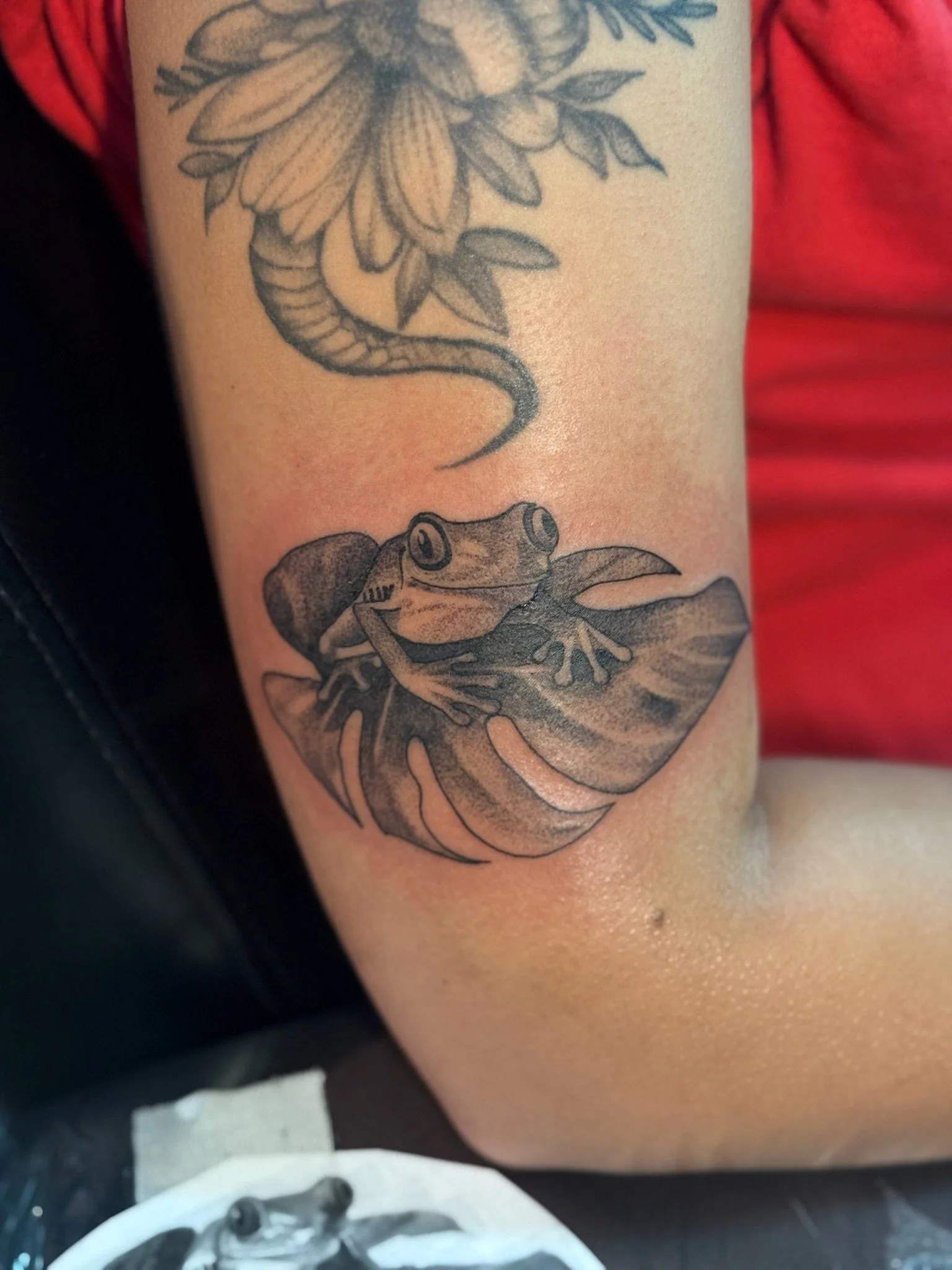
A good tattoo can be expensive.
A bad tattoo can be even more expensive.
That second statement is worth remembering when you start planning your next piece.
Many people searching for how much to budget for a tattoo make the mistake of looking for the lowest possible price. Others go in the opposite direction and assume the most expensive artist must automatically be the best choice.
Neither approach guarantees a good result.
The smarter approach is to understand what you're paying for, create a realistic tattoo budget, and plan your project around quality rather than trying to force an artist to fit an unrealistic number.
Whether you're planning a small tattoo, a custom design, a half-sleeve, or a larger multi-session project, budgeting properly can help you make a better decision before your appointment.
Here's how to plan for your next tattoo without sacrificing the quality of the finished work.
Start With the Tattoo You Actually Want
Before setting a budget, define the project.
This sounds obvious, but "I want a tattoo" isn't enough information to estimate a realistic cost.
Think about:
Size
Placement
Style
Colour or black and grey
Level of detail
Number of elements
Whether the design is custom
Whether it may require multiple sessions
A small linework tattoo and a full-colour realism piece are completely different projects.
The more clearly you can describe what you want, the easier it becomes for an artist to explain the likely scope.
This is also where a custom tattoo consultation can save you money in the long run. A professional consultation can help establish whether your idea needs to be simplified, enlarged, broken into sessions, or redesigned to suit your budget and placement.
Understand What Influences Tattoo Pricing
There is no universal price for a tattoo.
The final cost can vary based on several factors.
Artist Experience and Specialisation
Artists who have spent years developing a particular style may charge differently from artists who are newer to the industry.
This does not mean you should choose an artist based on years of experience alone. Look at whether their portfolio demonstrates consistent skill in the style you want.
For example, if you want photorealistic work, prioritise an artist with a strong realism portfolio.
If you want delicate linework, look for someone experienced with fine-line tattooing.
The goal is to pay for the right skill, not simply the biggest name.
Tattoo Size and Detail
Larger tattoos generally require more time.
But size isn't the only factor.
A small tattoo filled with intricate details can sometimes take longer than a larger, simpler design.
Highly detailed tattoos may involve more:
Linework
Shading
Colour changes
Design preparation
Technical precision
When planning your tattoo cost, think about the complexity of the artwork rather than measuring the design with a ruler alone.
Placement and Difficulty
Different areas of the body can present different technical challenges.
Skin texture, body contours, movement, and accessibility can affect how an artist approaches the work.
A detailed design may also need to be adjusted depending on where it will be placed.
This is another reason to avoid assuming that the same design will cost exactly the same regardless of location.
Number of Sessions
Large projects often cannot be completed comfortably or effectively in one sitting.
A sleeve, back piece, or complex custom tattoo may require multiple appointments.
When creating your tattoo budget plan, ask about the expected number of sessions.
You may not receive an exact final price at the beginning because projects can develop over time. However, understanding the approximate scope helps you plan financially.
Don't Make the Cheapest Quote Your Goal
There is a difference between finding value and looking for the lowest price.
A lower quote can be perfectly reasonable when it comes from a professional artist whose work fits your needs.
The problem begins when price becomes more important than:
Portfolio quality
Professionalism
Studio standards
Artist experience
Design suitability
If a price seems unusually low, ask questions.
Why is it lower?
Is the artist offering a promotion?
Is the tattoo much simpler than you originally planned?
Are you comparing different levels of experience?
Price without context doesn't tell you much.
If you're comparing tattoo pricing in Atlanta, compare similar projects from artists who work in the style you want.
Create a Separate Tattoo Savings Fund
One of the easiest ways to avoid compromising is to stop thinking of the tattoo as an impulse purchase.
Create a separate savings category for your tattoo.
You can save:
A fixed amount each week
A percentage of your spare income
Money from side work or bonuses
A set amount after each payday
For example, if your desired tattoo costs more than you're ready to spend today, waiting and saving may be a better option than booking a cheaper artist immediately.
Your design doesn't have to disappear because your budget isn't ready yet.
It can wait.
A carefully planned tattoo is often worth the extra time.
Break a Large Tattoo Into Stages
You don't necessarily need to fund an entire large project before the first appointment.
For bigger designs, speak with your artist about the expected session schedule.
You may be able to plan your budget around individual appointments.
For example:
Consultation → Design → First Session → Healing Period → Next Session
This approach can make a large project easier to manage financially.
However, don't assume you can dramatically change the design or stop halfway through without consequences.
Some tattoos are designed as complete compositions.
Discuss the long-term plan with your artist before beginning.
Spend Your Money Where It Matters Most
If you have a limited budget, you may need to make choices.
The wrong choice is often reducing the quality of the artist just to add more elements.
Instead, consider:
A Smaller Design
A smaller, well-executed tattoo may be a better investment than an oversized design completed on an unrealistic budget.
Less Detail
Simplifying a design can sometimes make it clearer and easier to execute.
Black and Grey Instead of Complex Colour
Depending on the design and artist, reducing colour complexity may affect the overall scope.
A Different Placement
Some placements may work better for a simplified design.
These are creative adjustments.
They are not shortcuts.
A professional tattoo artist in Atlanta may be able to recommend ways to keep the concept strong while making the project more realistic for your budget.
Use the Consultation to Avoid Surprise Costs
One of the most useful tattoo cost planning tools is the consultation.
Before booking, be honest about your budget.
You don't need to tell an artist, "This is all I have, so make anything work."
Instead, explain what you're hoping to spend and ask what is realistically possible.
For example:
"I love this concept, but my current budget is around this amount. What version of this design would work best within that range?"
That starts a practical conversation.
The artist may recommend changing the size, simplifying the artwork, or splitting the project into sessions.
This is far better than being surprised when the final price exceeds what you expected.
You can use a custom tattoo Atlanta consultation to discuss both creative direction and project scope before committing.
Don't Forget the Costs Around the Tattoo
A complete tattoo budget may involve more than the appointment itself.
Depending on your situation, you may also need to consider:
Transportation
Parking
Time away from work
Aftercare products recommended by your artist
Appropriate clothing for the healing period
Future sessions
These costs may be relatively small compared with the tattoo itself, but planning for them prevents last-minute surprises.
Avoid Financing a Tattoo You Can't Comfortably Afford
A tattoo is something you want to enjoy.
It shouldn't create months of financial stress.
If paying for the tattoo would interfere with essential expenses, it may be better to postpone the appointment and continue saving.
Waiting can also give you more time to think about the design.
Sometimes that extra time confirms your decision.
Other times, you realise you want to change the concept.
Either outcome can save you from making an expensive decision too quickly.
Why Quality Matters More Than Speed
Budget pressure can encourage people to rush.
You find an artist with immediate availability.
The price fits.
The appointment is tomorrow.
Everything seems convenient.
But convenience isn't always the same as value.
Take time to research the artist's work.
Look for consistency.
Pay attention to how they handle the specific style you want.
Review healed work when available.
Ask questions about the project.
The Alliance of Professional Tattooists provides educational resources about professional tattooing and can help clients better understand the importance of responsible practices within the industry.
A quality tattoo is the result of more than the number printed on a price list.
Compare Portfolios Before Comparing Prices
Imagine receiving two quotes.
One is lower.
One is higher.
Without seeing the portfolios, you don't have enough information to decide which represents better value.
Compare:
Style consistency
Line quality
Shading
Colour work
Design composition
Similar completed projects
Healed tattoos when available
Then consider the price.
This approach puts artistic suitability first.
That's especially important when choosing a tattoo artist for a permanent piece.
Ask About Deposits and Cancellation Policies
Budgeting also means understanding payment policies.
Many tattoo artists require deposits to reserve appointments.
Ask:
Is the deposit applied to the tattoo?
Is it refundable?
What happens if I reschedule?
How much notice is required?
What happens if I cancel?
Knowing these policies can prevent you from losing money unnecessarily.
Make sure you understand the studio's terms before paying.
Budget for Aftercare, Not Just the Appointment
Your tattoo isn't finished the moment you pay the artist.
It still needs appropriate care while the skin heals.
Follow the specific instructions provided by your artist.
The American Academy of Dermatology offers general information about skin health and protecting the skin, which can be a useful context when learning why proper care matters.
Your artist's aftercare guidance should remain your primary source for caring for your specific tattoo.
What If the Tattoo You Want Is Out of Your Budget?
You have several options.
You can:
Save longer.
Reduce the size.
Simplify the design.
Break the project into sessions.
Choose a different concept.
Wait for a time when the expense is more comfortable.
Notice what's not on that list:
Choose an artist you don't trust simply because they're cheaper.
If the tattoo matters to you, it deserves proper planning.
The Best Tattoo Budget Is a Realistic One
A realistic tattoo budget doesn't start with an arbitrary number.
It starts with the project.
Research the type of tattoo you want.
Find artists whose work genuinely matches that style.
Request information about their process.
Schedule a consultation if necessary.
Then create a savings plan based on the actual scope.
This approach may take longer than booking the cheapest available appointment.
But it puts you in a stronger position to get the tattoo you actually want.
FAQs
How much should I budget for a tattoo?
The amount depends on the size, detail, placement, style, artist, and number of sessions. A consultation with an artist is one of the best ways to understand the likely cost of your specific project.
Is it better to save for a more expensive tattoo artist?
If a higher-priced artist has demonstrated expertise in the specific style you want, saving for the right artist may provide better long-term value than choosing a cheaper option based only on price.
Can I get a large tattoo in multiple sessions?
Yes. Many large projects are completed over several appointments. Ask your artist how the design and session schedule can be planned before starting.
How can I make my tattoo more affordable without sacrificing quality?
Consider reducing the size, simplifying the design, removing unnecessary details, or saving for longer. Discuss your budget honestly during a consultation and ask what version of the design is realistic.
Should I tell my tattoo artist my budget?
Yes, but approach it as a planning conversation. Explain your preferred spending range and ask what size, complexity, or session plan is realistically possible within that budget.
Final Thoughts
Learning how to budget for a tattoo is not about finding the cheapest possible artist.
It's about planning your money so you don't have to compromise on the things that matter most.
Start with a clear idea.
Research artists who specialise in your preferred style.
Understand what affects tattoo pricing.
Use a consultation to discuss the project.
Save if necessary.
And remember that reducing the size or simplifying the design is often a smarter compromise than reducing the quality of the artist.
For clients searching for a tattoo shop in Atlanta, there are many artists and styles to choose from. Taking the time to compare portfolios and plan your tattoo budget can help you make a decision based on long-term value rather than short-term pressure.
Your next tattoo doesn't have to happen immediately.
Sometimes the best thing you can do for a tattoo you really want is give yourself enough time to do it right.