
How to Sleep Comfortably With a New Ear Piercing: Expert Tips for a Smooth Healing Process
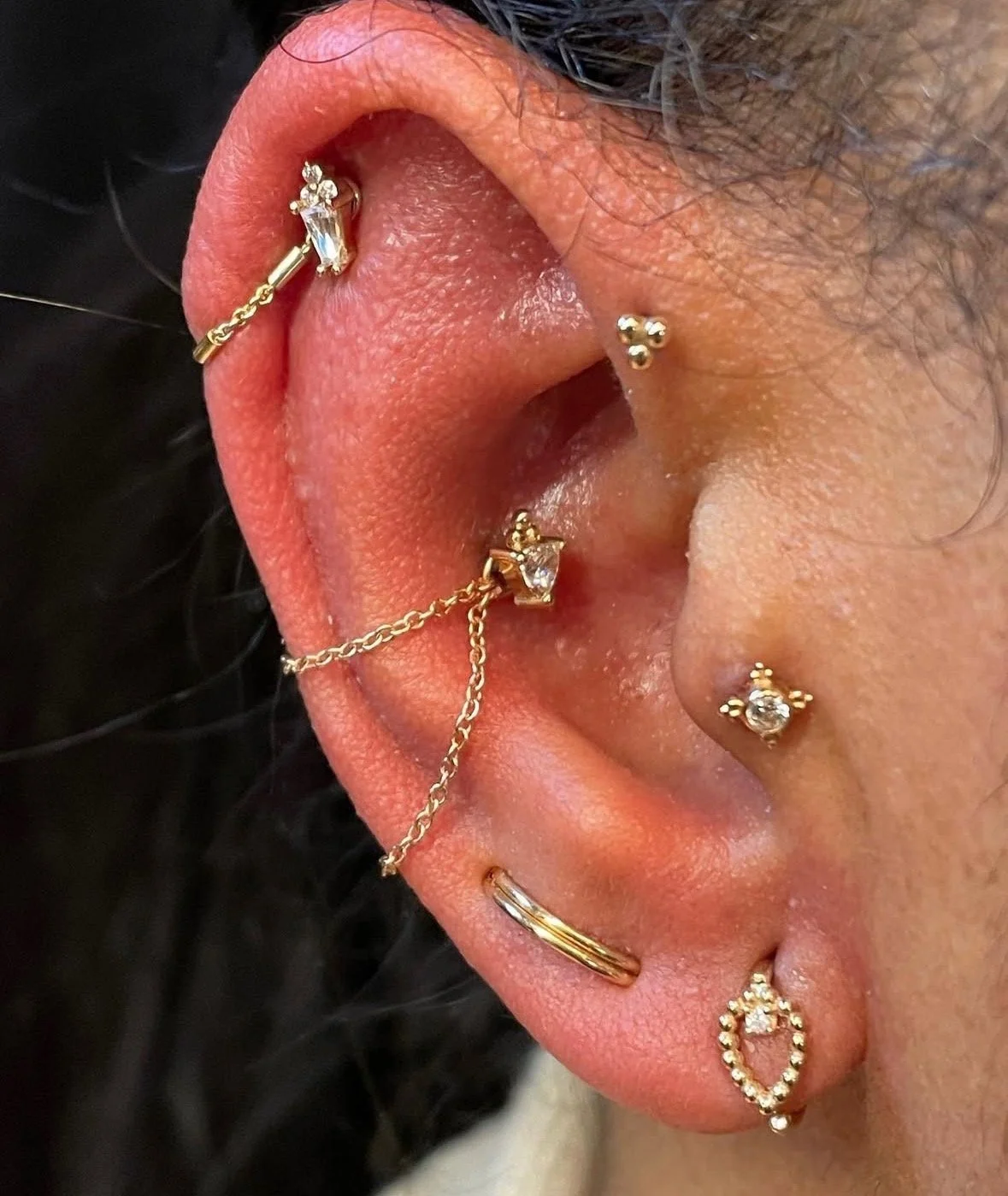
You've just left your piercing appointment, admired your new jewelry in the mirror, and followed every aftercare instruction. Then bedtime arrives, and a new question pops into your mind:
"How am I supposed to sleep without hurting my new ear piercing?"
It's one of the most common concerns among first-time clients, and for good reason. We spend about one-third of our lives sleeping, often without realizing how much pressure we place on our ears. A few hours of sleeping directly on a fresh piercing can lead to soreness, irritation, swelling, or even prolong the healing process.
The good news is that with a few simple adjustments, you can protect your piercing while still getting a restful night's sleep.
If you've recently had an ear piercing or are planning one at a professional body piercing studio in Atlanta, this guide will help you sleep more comfortably while supporting healthy healing.
How Should You Sleep With a New Ear Piercing?
For the best healing results:
✔ Sleep on the opposite side whenever possible.
✔ Use a travel pillow or piercing pillow to keep pressure off your ear.
✔ Keep your bedding clean.
✔ Avoid touching or twisting the jewelry while sleeping.
✔ Tie long hair back to prevent it from catching on the jewelry.
✔ Continue following your piercer's aftercare instructions every day.
Reducing pressure is one of the easiest ways to support a healthy recovery.
Why Sleeping Position Matters
A fresh ear piercing is more than just a piece of jewelry.
Your body treats it as a small wound and immediately begins repairing the surrounding tissue. During this healing period, unnecessary pressure can interrupt the process by causing:
Swelling
Tenderness
Increased irritation
Delayed healing
Migration of the jewelry in some cases
Unlike daytime activities, you cannot control your movements while asleep. That's why preparing your sleeping environment is just as important as cleaning your piercing.
Healing Takes Longer Than Most People Expect
Many people assume their ear piercing is healed once the soreness fades.
In reality, healing happens in stages.
Earlobe Piercings
Soft tissue in the earlobe often heals more quickly because it contains more blood vessels.
Cartilage Piercings
Piercings placed in cartilage, such as the helix, tragus, conch, or flat, generally require much more patience because cartilage receives less blood supply.
The Association of Professional Piercers notes that cartilage piercings can take many months to fully mature, even if they feel comfortable after the first few weeks.
Sleep on the Opposite Side
The simplest solution is often the most effective.
If your new piercing is in your left ear, try sleeping on your right side.
If both ears have been pierced, you'll need another strategy to relieve pressure.
Changing sleeping habits may feel awkward at first, but many clients adjust within a few nights.
Try a Travel Pillow
One of the most popular recommendations from experienced piercers is using a travel pillow.
Instead of resting your ear directly against the mattress, position your ear inside the center opening.
This allows your head to remain supported while preventing pressure on the piercing.
Many people continue using this method throughout the healing process because it is inexpensive and surprisingly comfortable.
Specialty piercing pillows are also available for side sleepers who want additional support.
Keep Your Pillowcase Clean
Your pillow comes into contact with your piercing for hours every night.
Changing your pillowcase regularly helps reduce exposure to:
Dirt
Skin oils
Hair products
Sweat
Fresh, clean bedding supports a healthier healing environment.
Cotton pillowcases are generally a comfortable option, but any clean fabric is preferable to one that has accumulated debris over several nights.
Be Careful With Long Hair
Hair often becomes an unexpected source of irritation.
While you sleep, loose strands may wrap around earrings or catch on the jewelry when you roll over.
To reduce this risk:
Tie long hair into a loose braid.
Use a soft hair tie instead of tight elastics.
Keep styling products away from the piercing.
Small changes like these can make a noticeable difference.
Avoid Sleeping With Headphones or Earbuds
Many people fall asleep while listening to music or podcasts.
Unfortunately, earbuds and over-ear headphones can place unnecessary pressure on a healing piercing.
Until your piercing has healed sufficiently, it's best to avoid wearing anything that presses directly against the area.
Don't Twist or Rotate the Jewelry
Years ago, people were often told to rotate their earrings during healing.
Modern piercing professionals no longer recommend this practice.
Rotating the jewelry can:
Reopen healing tissue
Introduce bacteria from your hands
Increase irritation
Instead, leave the jewelry alone except when cleaning it according to your piercer's instructions.
What If You Wake Up on the Pierced Side?
Don't panic.
Most people move during sleep without realizing it.
If you wake up lying on your piercing:
Gently change positions.
Check for excessive swelling or bleeding.
Continue your normal aftercare routine.
Occasional pressure usually isn't a problem. Repeated nightly pressure is what you want to avoid.
Signs You're Putting Too Much Pressure on the Piercing
Pay attention to how your ear feels each morning.
Warning signs include:
Persistent soreness
Increased redness
Swelling that worsens overnight
Jewelry pressing into the skin
Discomfort that doesn't improve during the day
If these symptoms continue, consider changing your sleeping setup.
Can You Sleep on a Fresh Cartilage Piercing?
Technically, yes, but it is not recommended.
Cartilage piercings are especially sensitive to prolonged pressure because cartilage has a more limited blood supply than the earlobe.
Sleeping directly on a healing helix, rook, daith, or conch piercing may extend the healing process and increase irritation.
Giving the piercing enough space while sleeping is one of the best things you can do.
Create a Bedtime Routine for Your Piercing
Just as you brush your teeth before bed, develop a simple routine that supports healing.
Before sleeping:
✔ Wash your hands if you need to touch the area.
✔ Check that your jewelry is secure.
✔ Tie long hair back.
✔ Replace dirty pillowcases.
✔ Position your travel pillow if you're using one.
Small habits performed consistently often produce the best results.
When Should You Contact Your Piercer?
Some discomfort is completely normal during healing.
However, you should contact your professional piercer if you notice:
Significant swelling that continues increasing
Thick yellow or green discharge
Severe pain
Jewelry becoming embedded
Signs of infection
Early advice can often prevent minor issues from becoming more serious.
Choosing a Professional Studio Makes Healing Easier
Successful healing begins long before your first night of sleep.
An experienced piercer will:
Choose appropriate jewelry
Select the correct size
Use sterile techniques
Explain aftercare thoroughly
FAQs
Can I sleep on my new ear piercing after one week?
It depends on the location and how your ear is healing. Most professional piercers recommend avoiding direct pressure until the piercing is much further along in the healing process.
Is a travel pillow really helpful?
Yes. Many piercers recommend travel pillows because they keep pressure off the ear while supporting your head.
Why does my piercing hurt more in the morning?
Sleeping on the piercing, even briefly, may increase pressure and irritation overnight.
Should I remove my jewelry before sleeping?
No. Initial jewelry should remain in place until your piercer confirms the piercing has healed sufficiently.
How long should I avoid sleeping on my piercing?
Healing times vary depending on the location. Earlobe piercings generally heal faster than cartilage piercings, but always follow your piercer's recommendations.
Final Thoughts
Sleeping comfortably with a new ear piercing may require a few adjustments, but those small changes can have a significant impact on how well your piercing heals.
By reducing pressure, keeping your bedding clean, and resisting the temptation to touch or rotate your jewelry, you'll give your body the best opportunity to heal naturally.
If you're planning an ear piercing in Atlanta, choosing an experienced studio and following professional aftercare advice will help you enjoy your new piercing with fewer complications and greater peace of mind.