
Can You Exercise After Getting a Tattoo? An Atlanta Tattoo Artist's Guide to Safe Recovery
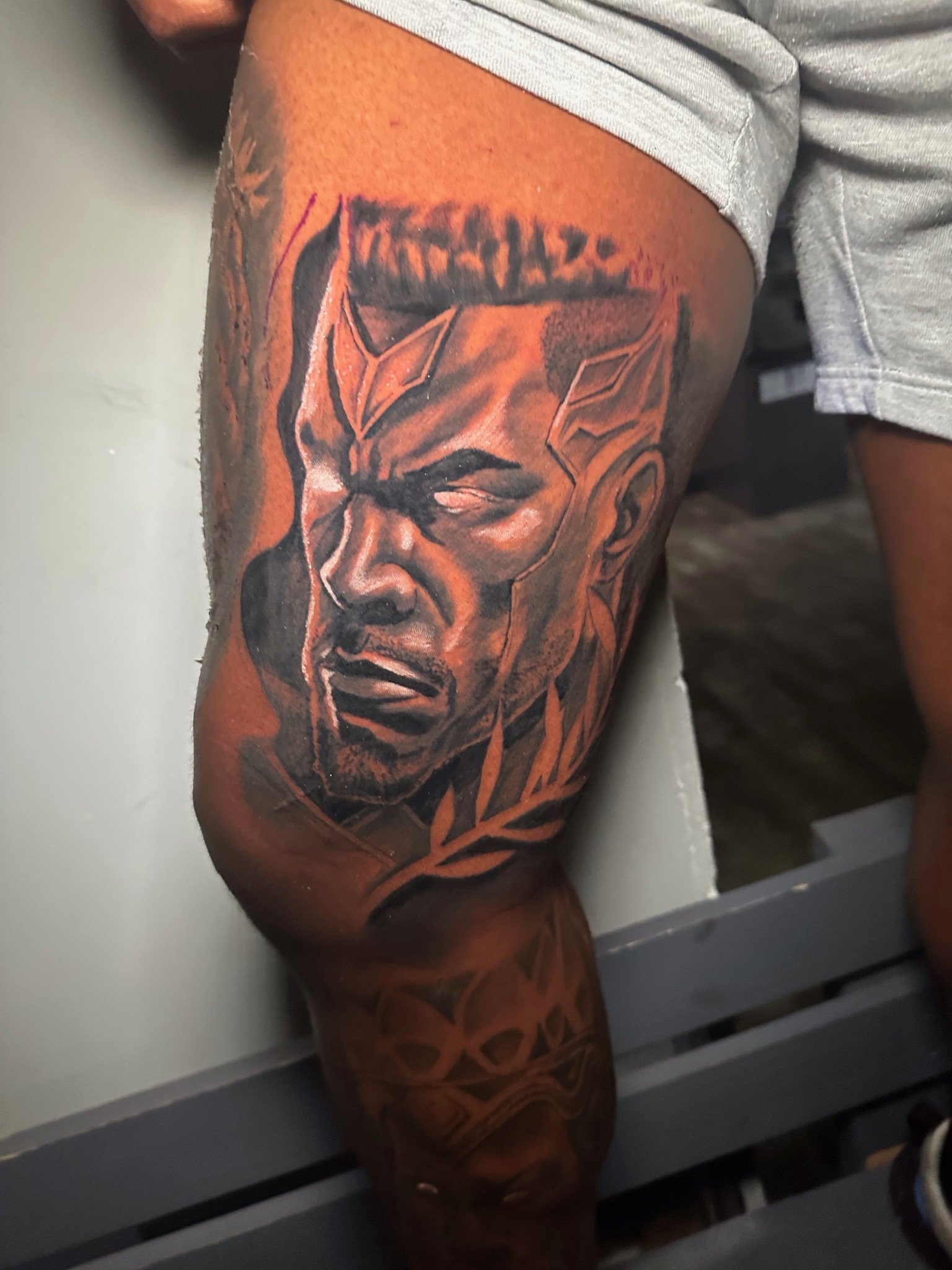
You finally got the tattoo you've been planning for months. The design looks incredible, you're excited to show it off, and then reality sets in. Your workout is scheduled for tomorrow.
Now you're wondering:
Can you exercise after getting a tattoo, or should you take a break?
It's one of the most frequently asked questions professional tattoo artists hear, especially from clients who regularly go to the gym, run outdoors, practice yoga, or train for sports. While exercise is an important part of a healthy lifestyle, jumping back into your routine too soon can interfere with the healing process.
The good news is that you don't necessarily have to avoid physical activity for weeks. The key is understanding how your body heals, how different types of exercise affect a fresh tattoo, and when it's safe to return to your normal routine.
If you're visiting a tattoo artist in Atlanta, this guide explains everything you need to know before lacing up your trainers.
Can You Work Out After Getting a Tattoo?
Yes, but not immediately.
For the best healing results:
✔ Give your body time to begin healing.
✔ Avoid activities that stretch the tattooed skin.
✔ Limit excessive sweating during the first few days.
✔ Stay away from swimming pools, hot tubs, and open water until the tattoo has healed.
✔ Wear loose, breathable clothing during recovery.
✔ Follow the aftercare instructions provided by your tattoo artist.
The size and placement of your tattoo will also influence when you can safely return to exercise.
A Fresh Tattoo Is Still Healing Skin
Although your tattoo may already look finished, your skin has only begun its recovery.
Tattoo needles create thousands of tiny punctures that deposit ink into the dermis, the layer beneath the outer skin. Immediately after your appointment, your body starts repairing that controlled injury by:
Reducing inflammation
Producing new skin cells
Building protective tissue
Locking pigment into place
During this time, unnecessary friction, stretching, or moisture can slow the healing process.
Our article Ink Particle Science: What Happens Under the Skin After a Tattoo Session explains how the body retains tattoo pigment during healing.
Why Exercise Can Affect Healing
Exercise itself isn't harmful.
The challenge comes from everything that often accompanies a workout.
These include:
Sweat
Friction
Repeated movement
Tight athletic clothing
Shared gym equipment
Each of these factors can irritate healing skin if introduced too early.
Does Sweat Damage a New Tattoo?
Sweat doesn't remove tattoo ink.
However, heavy perspiration creates a warm, moist environment that may increase irritation if the tattoo isn't cleaned properly afterward.
In Atlanta's hot and humid climate, outdoor workouts during summer can cause substantial sweating even during moderate activity.
If your tattoo is still fresh, limiting excessive sweating during the first few days is generally recommended.
Placement Makes a Big Difference
Not every tattoo responds the same way to movement.
Lower Leg Tattoos
Running or cycling may repeatedly stretch the surrounding skin.
Shoulder Tattoos
Weightlifting can place constant tension across the healing area.
Rib Tattoos
Deep breathing during cardio exercises naturally expands the skin.
Hand Tattoos
Grip-intensive workouts can create additional friction.
Back Tattoos
Exercises involving benches or floor mats may place direct pressure on the artwork.
Understanding how your tattoo moves during exercise helps you make smarter recovery decisions.
What About Weightlifting?
Strength training presents unique challenges.
Exercises involving repeated pulling or pressing may stretch fresh tattooed skin.
For example:
Bench press affects chest tattoos.
Pull-ups affect shoulder tattoos.
Squats may irritate thigh tattoos.
Deadlifts may create friction on lower leg tattoos.
Instead of focusing on specific exercises, think about whether the movement repeatedly stresses the tattooed area.
Is Cardio Safer?
Light walking is generally easier on a fresh tattoo than high-intensity interval training.
However, vigorous cardio often produces:
Heavy sweating
Increased body temperature
More skin movement
If your tattoo is very new, reducing workout intensity for several days allows the skin to recover more comfortably.
Swimming Is Different From Sweating
Many people assume swimming is a gentle workout after getting tattooed.
In reality, professional artists usually recommend avoiding:
Swimming pools
Lakes
Rivers
Hot tubs
Ocean water
Submerging a healing tattoo increases exposure to bacteria, chemicals, and prolonged moisture.
The American Red Cross provides water safety guidance, while tattoo professionals generally advise waiting until your tattoo has healed before returning to swimming.
Clothing Can Either Help or Hurt
Compression gear may be excellent for athletic performance, but it isn't always ideal for fresh tattoos.
During healing, choose clothing that:
Fits loosely
Allows airflow
Doesn't rub repeatedly against the tattoo
Reducing friction often improves comfort while protecting delicate healing skin.
Listen to Your Body
Your tattoo will often tell you when you've done too much.
Watch for signs such as:
Increased redness
Swelling
Persistent soreness
Excessive warmth
Irritation after exercise
If symptoms worsen after a workout, give your body additional recovery time before exercising again.
Stay Hydrated During Healing
Hydration supports healthy skin.
Drinking enough water helps maintain skin elasticity while supporting your body's natural healing processes.
Proper hydration is especially important during Atlanta's warmer months, when outdoor activities may increase fluid loss through sweat.
Nutrition Matters Too
Recovery doesn't end when you leave the tattoo studio.
Eating a balanced diet with adequate:
Protein
Vitamins
Healthy fats
Minerals
helps support tissue repair.
While no single food accelerates tattoo healing, overall nutrition contributes to healthy skin recovery.
The Academy of Nutrition and Dietetics offers evidence-based guidance on nutrition that supports normal wound healing and overall wellness.
Hygiene Is Even More Important After Exercise
If you do exercise during the healing period:
Wash your hands before touching the tattoo.
Shower promptly afterward.
Gently clean the tattoo using your artist's recommended method.
Pat the area dry with a clean towel.
Apply aftercare products only as instructed.
Avoid scrubbing the tattoo or soaking it in water.
Returning to Your Routine Gradually
Instead of jumping straight back into intense workouts, consider easing in.
A gradual return allows you to monitor how your tattoo responds while reducing unnecessary irritation.
Many athletes find that a few days of lighter activity has little impact on long-term fitness but greatly benefits healing.
Choosing the Right Tattoo Artist Matters
Professional aftercare advice should always be personalised.
Experienced tattoo artists consider:
Tattoo size
Placement
Skin type
Lifestyle
Occupation
Activity level
This is one reason consultations are so valuable before your appointment.
FAQs
Can I go to the gym the day after getting a tattoo?
Light movement may be possible depending on the tattoo's placement, but most professional artists recommend avoiding strenuous workouts during the initial healing period.
Does sweat ruin a tattoo?
Sweat itself doesn't remove ink, but excessive perspiration combined with friction may irritate healing skin.
Can I lift weights after getting a tattoo?
It depends on where the tattoo is located. Avoid exercises that repeatedly stretch or compress the tattooed area until healing has progressed.
When can I swim after getting a tattoo?
Wait until your tattoo has fully healed before swimming in pools, lakes, rivers, or the ocean.
Should I cover my tattoo while exercising?
Unless your artist recommends otherwise, it's usually better to wear clean, loose-fitting clothing that protects the tattoo without trapping excessive moisture.
Final Thoughts
Staying active is important, but so is protecting your new tattoo.
Taking a short break from intense exercise gives your skin the opportunity to heal properly, helping preserve both the appearance of your tattoo and your overall comfort.
If you're planning your next tattoo with a professional tattoo artist in Atlanta, discuss your workout routine during your consultation. A knowledgeable artist can provide aftercare advice tailored to your lifestyle, allowing you to return to the gym with confidence when the time is right.