
10 Tattoo Mistakes First-Time Clients Make and How to Avoid Them
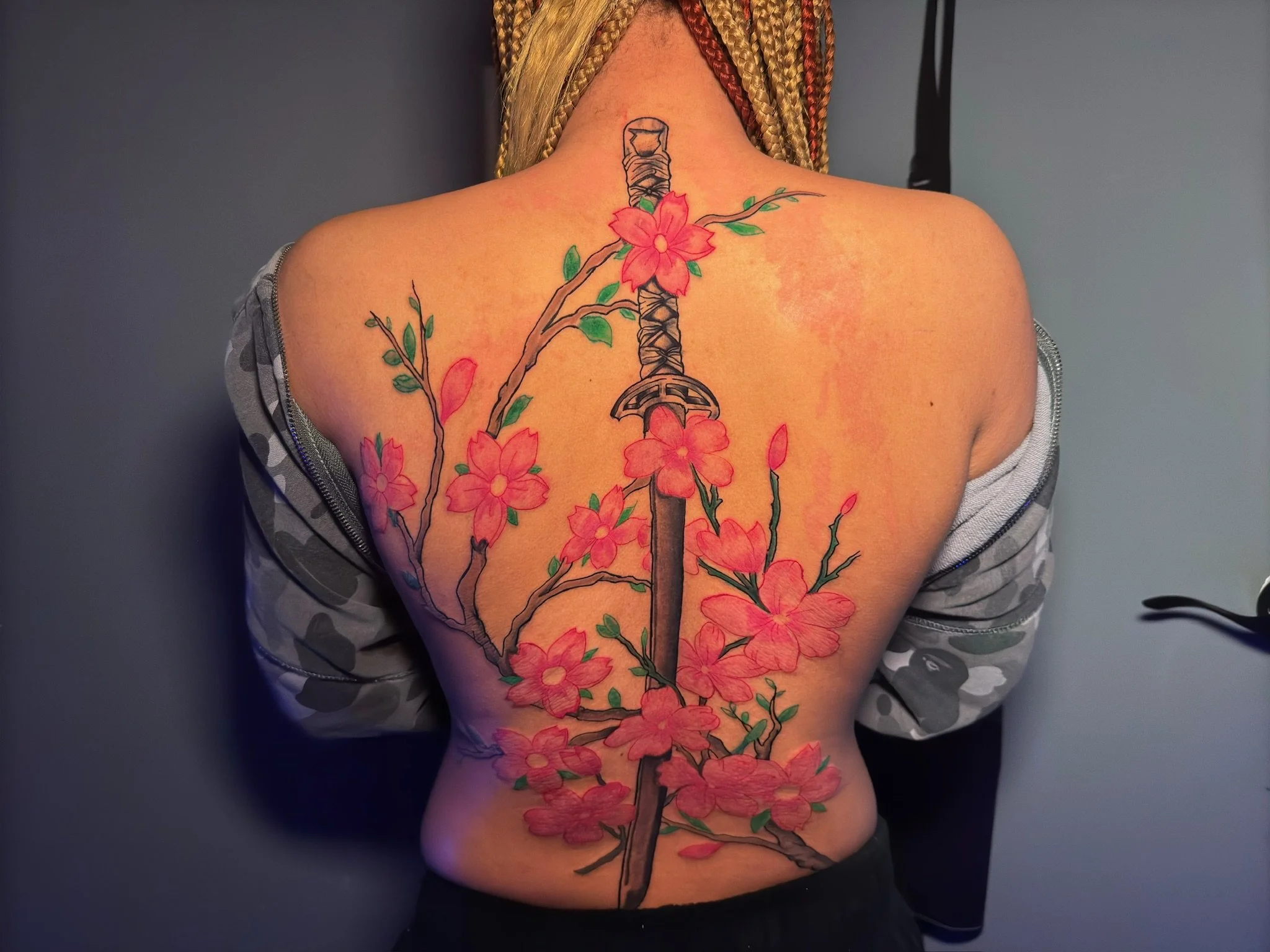
Getting your first tattoo is exciting, but excitement can sometimes lead people to make decisions too quickly.
You find a design you love on social media. You see an affordable tattoo shop. You book an appointment. Then, perhaps only after the appointment is confirmed, you start wondering whether you chose the right artist, size, or placement.
Sound familiar?
Your first tattoo doesn't have to be stressful. In fact, a little preparation can eliminate many of the problems first-time clients encounter.
Whether you're considering a tiny minimalist design, a meaningful quote, a portrait, or a larger custom piece, understanding the most common first tattoo mistakes can help you approach your appointment with greater confidence.
Here's what beginners should know before getting their first tattoo.
1. Choosing a Tattoo Artist Based Only on Price
Price is naturally part of the decision.
But making it the deciding factor can be a mistake.
Tattoo pricing can reflect an artist's experience, demand, technical ability, studio standards, appointment length, and the complexity of the artwork.
A lower quote isn't automatically a bad deal, just as an expensive tattoo isn't automatically better.
The important question is:
Does the artist have the skills required for your particular tattoo?
When choosing a tattoo artist, start with their portfolio before looking at their price.
If you want realism, find an artist who consistently creates realism.
If you want a fine line, look specifically at their fine-line work.
If you're considering a cover-up, look for previous cover-up projects.
Your goal should be finding the right artist for your design, not simply finding the lowest price.
2. Picking an Artist Because of One Great Tattoo
One impressive photograph isn't enough to evaluate an artist.
This is one of the most overlooked pieces of first tattoo advice.
An artist may have one exceptional portrait online but specialise primarily in another style.
Look through their broader portfolio.
Ask:
Is the quality consistent?
Do they regularly create this style?
Can you find healed examples?
Do their tattoos have clean composition?
Does their work match what I want?
A professional Atlanta tattoo artist should be able to show you what they actually do well.
3. Copying Someone Else's Tattoo Exactly
Reference images are extremely helpful.
They show your artist what you like about a particular style, composition, subject, or mood.
But there's a difference between inspiration and copying.
The design that looks perfect on someone else's arm may not work the same way on your body.
Your artist needs to consider:
Body shape
Skin surface
Placement
Proportions
Movement
Tattoo size
Instead of saying, "I want this exact tattoo," explain what attracted you to it.
Maybe you like the shading.
Perhaps you love the composition.
Maybe it's the style of lettering.
This gives the artist room to create something appropriate for you.
For anyone planning a custom tattoo in Atlanta, that collaboration can make a major difference.
4. Choosing Tattoo Placement Without Considering Your Lifestyle
Where you put your first tattoo matters.
Not just aesthetically, but practically.
Think about your everyday activities.
Do you work outdoors?
Do you exercise frequently?
Do you wear uniforms?
Do you regularly carry a backpack?
Do you spend a lot of time in the sun?
These questions can influence which placement is most convenient.
You should also consider how the design interacts with the natural shape and movement of your body.
A professional artist can help you evaluate tattoo placement ideas rather than simply applying the design wherever you point.
5. Making a Detailed Tattoo Too Small
Small tattoos are popular for first-time clients because they can feel less intimidating.
But small doesn't always mean simple.
A design containing tiny details, multiple objects, or intricate shading may require more space than you expect.
As tattoos age, extremely fine details can become less distinct.
That's why an experienced artist may recommend:
Increasing the size
Simplifying the design
Removing unnecessary details
Adjusting line spacing
Don't automatically assume the smallest possible version is the best version.
Sometimes giving the artwork more room produces a significantly better result.
6. Skipping the Tattoo Consultation
One of the best tattoo appointment tips for beginners is simple:
Don't be afraid to ask for a consultation.
A consultation gives you time to discuss your idea before the actual tattoo session.
Depending on your project, you might discuss:
Design
Style
Placement
Size
Colour
References
Pricing
Number of sessions
Healing expectations
It also gives you a chance to determine whether you communicate well with your artist.
For a large or highly personal project, a tattoo consultation can be one of the most valuable parts of the process.
7. Ignoring the Studio's Professional Standards
Your artist matters, but so does the environment where the tattoo is performed.
When visiting a tattoo studio in Atlanta, pay attention to the details.
Does the workspace appear clean and organised?
Are disposable supplies handled appropriately?
Does the artist use fresh gloves?
Are needles and other single-use items opened appropriately?
Does the staff take questions about hygiene seriously?
Professional tattooing requires more than artistic ability.
The Association of Professional Piercers provides consumer education about sterilisation and professional body-art safety, making it a useful resource for anyone learning what responsible studio practices look like.
8. Arriving at Your First Tattoo Appointment Unprepared
Your first tattoo appointment isn't something you need to overthink, but basic preparation helps.
Before getting your tattoo, make sure you understand the studio's instructions.
As general first tattoo preparation, clients should consider:
Getting adequate sleep
Eating beforehand
Staying hydrated
Wearing practical clothing
Avoiding sunburn on the tattoo area
Bringing identification if required
Allowing enough time for the appointment
Don't schedule your first tattoo immediately before an activity that could interfere with healing.
Give yourself time.
The more relaxed you are, the easier it can be to focus on the experience.
9. Scratching or Picking at a Healing Tattoo
The tattoo isn't finished healing when you leave the studio.
During the healing process, you may notice:
Dryness
Flaking
Itching
Peeling
Temporary sensitivity
Changes in appearance
These can be normal parts of healing.
The temptation to scratch can be strong.
Don't.
Picking or scratching can interfere with the healing process and potentially affect the final appearance.
Instead, follow your artist's specific tattoo aftercare for beginners instructions.
The American Academy of Dermatology provides evidence-based information about skin care and wound healing that can help clients understand why protecting healing skin is important.
10. Rushing a Permanent Decision
The biggest beginner mistake may be rushing.
You don't need to get your first tattoo because everyone else is getting one.
You don't need to book an appointment because a design is trending.
And you don't need to choose an artist simply because they're available tomorrow.
Take time to think about:
The Design
Do you genuinely like it?
The Artist
Does their portfolio match your desired style?
The Placement
Does it work with your lifestyle and body?
The Size
Will the details remain readable?
The Meaning
Will you still feel comfortable with the design years from now?
These questions don't guarantee you'll never change your mind, but they encourage a much more thoughtful first tattoo experience.
What Should You Know Before Getting Your First Tattoo?
If you're wondering what to expect when getting your first tattoo, the process generally involves more than sitting down and getting inked.
You may go through:
Research → Consultation → Design Planning → Appointment → Tattooing → Aftercare → Healing
Each stage matters.
The consultation helps establish the design.
The appointment creates the tattoo.
Aftercare supports the healing process.
And the healed result is what you'll ultimately live with.
Thinking about the entire process rather than just the tattoo session itself can help you make better decisions.
Don't Be Afraid to Ask Your Artist Questions
First-time clients sometimes worry that their questions sound silly.
They don't.
Ask about anything you're uncertain about.
For example:
How large should the tattoo be?
Is this placement suitable?
How long will the appointment take?
How much will it cost?
How many sessions might I need?
What should I wear?
How should I care for the tattoo?
What happens if I don't like part of the design?
A professional artist should be comfortable explaining their recommendations.
Communication is part of the tattooing process.
Your First Tattoo Doesn't Have to Be Huge
There's no rule saying your first tattoo needs to be dramatic.
A small, carefully designed tattoo can be an excellent introduction to tattooing.
The important thing is choosing an appropriate design.
A simple tattoo created with excellent technique may age better than an overly complicated design squeezed into a tiny space.
If you're nervous, talk to your artist about your concerns.
A good artist can often help you choose a project that matches your comfort level.
How to Choose a Tattoo Shop in Atlanta
If you're searching for a tattoo shop in Atlanta, don't make your decision based solely on proximity.
Research several options.
Compare:
Artist portfolios
Reviews
Studio environment
Specialisations
Consultation options
Pricing
Communication
Look for a studio that makes you feel informed rather than pressured.
Atlanta has a diverse tattoo community, so first-time clients have plenty of opportunities to find an artist whose style matches their vision.
A Cheap Tattoo Can Become an Expensive Lesson
One final warning is worth remembering.
A tattoo that looks inexpensive at first may not remain inexpensive if you eventually need:
A correction
A cover-up
Additional sessions
Laser removal
This doesn't mean you should spend beyond your budget.
It means you should understand what you're paying for.
Skill, experience, time, design planning, and professional studio practices all have value.
Your first tattoo is an investment in permanent artwork.
Treat it that way.
What About Tattoo Trends?
Trends can be a great source of inspiration.
But your first tattoo doesn't need to follow whatever happens to be popular this month.
Ask yourself whether you actually like the design.
If you discovered the same tattoo five years from now, would you still want it?
That's a more useful question than simply asking whether something is trending.
FAQs
What are the most common first tattoo mistakes?
Common mistakes include choosing an artist based only on price, rushing the design, selecting unsuitable placement, making detailed tattoos too small, skipping consultations, and failing to follow aftercare instructions.
What should I know before getting my first tattoo?
Research your artist, understand the design and placement, discuss pricing and expectations during a consultation, prepare properly for your appointment, and learn how to care for the tattoo while it heals.
How do I choose a tattoo artist for my first tattoo?
Look for an artist whose portfolio consistently matches the style you want. Consider their experience, reviews, communication, and willingness to discuss your project before booking.
How should I prepare for my first tattoo appointment?
Get adequate rest, eat beforehand, stay hydrated, wear suitable clothing, and follow any specific preparation instructions provided by your tattoo studio.
How long does a first tattoo take to heal?
Healing varies depending on the tattoo, placement, size, and individual skin. Your artist should provide specific aftercare instructions and explain what changes to expect during recovery.
Final Thoughts
Getting your first tattoo should feel like a considered decision, not a rushed experiment.
The best first tattoo advice is surprisingly simple: research before you book, communicate before you commit, and don't let price or trends make the decision for you.
Find an artist whose work you genuinely admire.
Choose a design that means something to you.
Think carefully about placement and size.
Take your appointment seriously.
And follow your aftercare instructions once the tattoo is finished.
If you're looking for a tattoo artist in Atlanta, take advantage of the city's wide range of experienced artists and studios. You don't have to choose the first option you find.
Your first tattoo is an introduction to the world of tattooing.
Make it a good one.