
Does Getting a Tattoo Hurt? Everything You Should Know
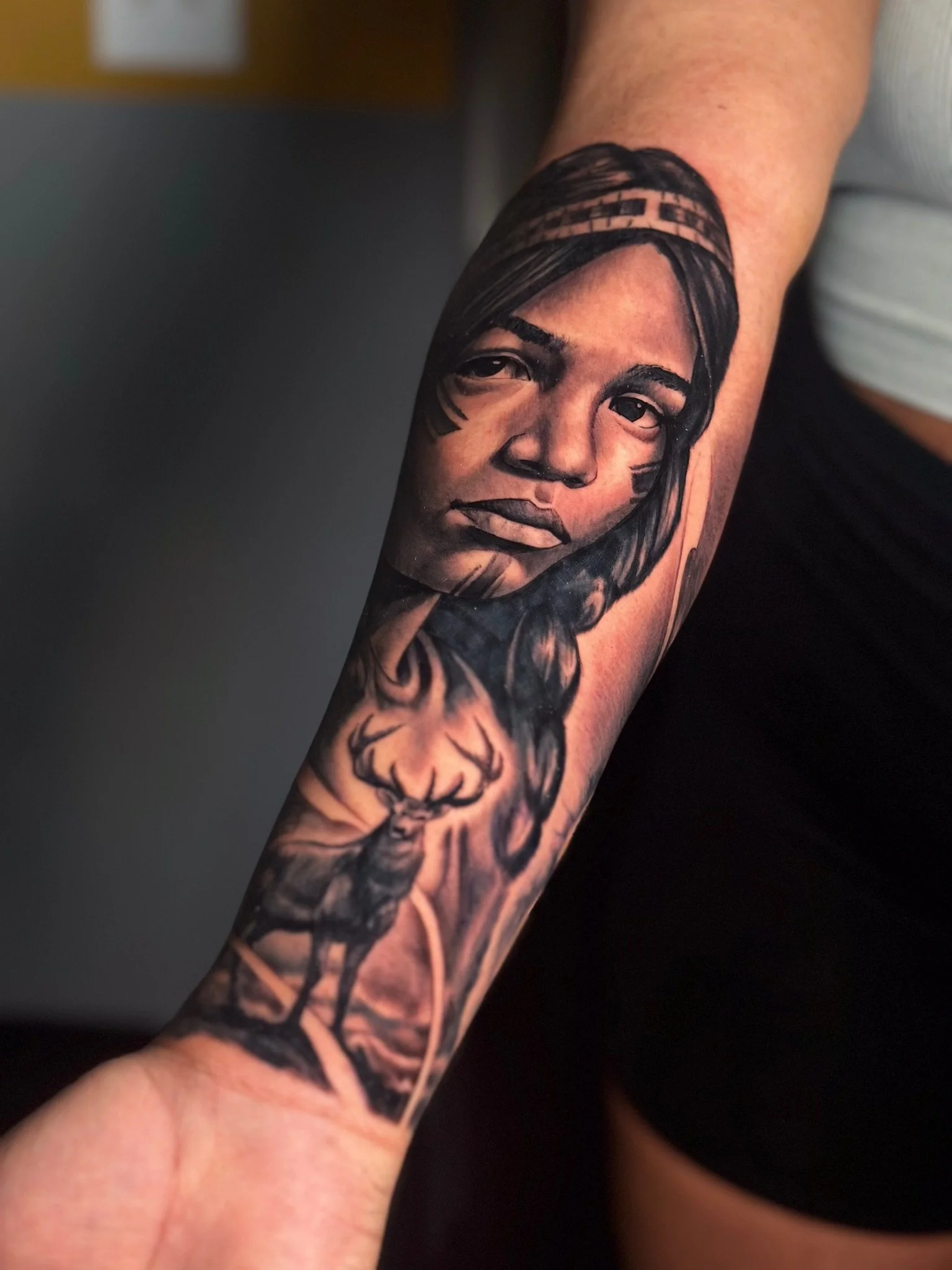
Yes, getting a tattoo usually hurts to some degree, but the experience varies considerably from person to person.
Tattoo pain depends on the body area, tattoo size, session length, needlework, individual pain tolerance, skin sensitivity, and how prepared you are for the appointment.
Areas with more bone, thinner skin, or greater sensitivity often feel more intense, while areas with more cushioning may be easier for many people.
The good news? Tattoo pain is temporary. Choosing an experienced tattoo artist in Atlanta, preparing properly, and understanding what to expect can make the experience much more manageable.
So, Does Getting a Tattoo Actually Hurt?
Let's answer the question most first-time clients are thinking about:
Yes, getting a tattoo hurts, but it usually isn't the same kind of pain as an injury.
The sensation is often described as scratching, stinging, burning, vibrating, or a repeated sharp sensation across the skin.
Everyone experiences it differently.
Some people find their first tattoo surprisingly easy. Others discover that certain areas are much more sensitive than expected.
There is also an important difference between pain during the tattoo and soreness afterward.
During the session, you are experiencing repeated needle stimulation of the skin. Afterward, the area can feel warm, tender, irritated, or similar to a mild sunburn while it begins to heal.
Understanding both stages can make your first appointment feel much less intimidating.
What Does Tattoo Pain Feel Like?
There isn't one universal description of tattoo pain.
The sensation can change throughout the appointment.
Scratching
Many people compare the feeling to a sharp scratch repeatedly moving across the skin.
Stinging
Certain areas may produce a sharper, more noticeable sting, particularly where the skin is thinner.
Burning
After an artist has worked on one area for some time, the skin may start to feel hot or irritated.
Vibration
The tattoo machine creates a noticeable buzzing or vibrating sensation that can sometimes feel strange even when the actual pain is manageable.
Tenderness
As the session continues, previously worked skin can become increasingly sensitive.
This is one reason a tattoo that feels comfortable during the first part of a session may become more uncomfortable later.
Which Tattoo Spots Hurt the Most?
One of the biggest questions clients ask is where tattoos hurt the most.
There is no scientifically universal tattoo pain chart because pain perception is highly individual. However, certain areas are commonly considered more sensitive because of factors such as thinner skin, proximity to bone, or a higher concentration of nerves.
Commonly More Sensitive Areas
These may include:
Ribs
Sternum
Spine
Knees
Elbows
Feet
Ankles
Hands
Fingers
Neck
Areas with very little cushioning
That doesn't automatically mean you should avoid these locations.
An experienced artist can adjust their approach based on the placement, design, and your comfort throughout the appointment.
What Are Some of the Least Painful Tattoo Spots?
Areas with more cushioning between the skin and underlying structures are often easier for many clients.
Common examples include:
Outer upper arm
Outer thigh
Calf
Shoulder
Some areas of the forearm
Again, individual experiences differ.
One person may describe an upper-arm tattoo as barely uncomfortable, while someone else may find the same area more sensitive.
Your personal pain tolerance matters.
Why Does Tattoo Pain Differ From Person to Person?
Two people can get nearly identical tattoos in the same location and have completely different experiences.
Several factors can influence this.
1. Individual Pain Tolerance
Pain perception varies naturally from person to person.
Someone who regularly gets tattoos may also feel more comfortable simply because they know what to expect.
2. Tattoo Location
The body area plays a major role.
Thin skin, bony areas, and highly sensitive locations can feel more intense than areas with additional tissue between the skin and underlying structures.
3. Tattoo Size
A tiny tattoo may only take a short amount of time.
A large tattoo can involve hours of continuous work, which means fatigue and skin sensitivity may become more noticeable.
4. Tattoo Style
Different tattoo styles involve different types of needlework.
Fine-line tattoos, realism, traditional tattoos, blackwork, and colour tattoos can all involve different approaches.
The amount of detail, shading, saturation, and repeated passes over an area can influence the overall experience.
5. Session Length
A short appointment is obviously different from sitting for several hours.
Even if your pain level is manageable initially, the skin can become increasingly sensitive as the session continues.
6. Your Mental State
Anxiety can make an unfamiliar sensation feel more intense.
Knowing what is going to happen can help you remain relaxed.
That is why communication between you and your artist matters.
What Happens During a Tattoo Appointment?
If you've never had a tattoo before, knowing the process can reduce some of the anxiety surrounding pain.
Step 1: Consultation
You discuss your design, placement, size, and expectations with your artist.
This is your opportunity to ask questions before the tattoo begins.
Step 2: Preparation
The artist prepares the area and gets the equipment ready.
A professional studio should follow appropriate hygiene and safety procedures throughout the process.
Step 3: Stencil Placement
Your artist positions the stencil so you can review the placement before tattooing starts.
This is an important moment.
Don't be afraid to speak up if something doesn't look right.
Step 4: The First Lines
The first few lines can feel intense simply because you are experiencing the sensation for the first time.
Most people quickly develop a sense of what the tattoo feels like.
Step 5: Shading and Detail
The sensation can change as the artist moves through different techniques and areas.
You may experience more irritation after the same section has been worked repeatedly.
Step 6: Finishing and Aftercare Instructions
Once the tattoo is complete, your artist will explain how to care for the area while it heals.
Following those instructions is an important part of protecting the final result.
Can You Prepare for Tattoo Pain?
You cannot completely eliminate tattoo pain, but you can make your appointment easier by arriving prepared.
Get Enough Rest
Avoid arriving exhausted.
Being well-rested can make it easier to remain comfortable and focused during a longer appointment.
Eat Before Your Appointment
Don't intentionally arrive hungry.
Having a proper meal beforehand can help you feel more comfortable during your session.
Bring a snack if your appointment is long.
Stay Hydrated
Drink water before your appointment and follow your artist's recommendations.
Wear Comfortable Clothing
Choose clothing that allows easy access to the tattoo area without unnecessary rubbing or pressure.
For example, if you're getting a thigh tattoo, loose clothing may be more practical than tight jeans.
Avoid Arriving Intoxicated
You should be alert and able to communicate clearly with your artist.
Never rely on alcohol or recreational substances as a way to make a tattoo session easier.
Should You Use Numbing Cream for a Tattoo?
This is a question you should discuss with your tattoo artist before your appointment.
Do not assume that every numbing product is appropriate for tattooing.
The FDA has specifically warned consumers about certain topical pain-relief products marketed for use before or during cosmetic procedures, including tattooing. Some products have contained excessively high concentrations of lidocaine or have been promoted for unsafe methods of application.
If you are considering a topical product, discuss it with your artist beforehand and follow appropriate medical and product guidance.
For more information, see the FDA's guidance on topical pain-relief products used for cosmetic procedures.
What About Pain After Getting a Tattoo?
Tattoo discomfort doesn't necessarily end the moment the machine stops.
It is normal for freshly tattooed skin to feel tender or irritated while it begins healing.
Cleveland Clinic describes a fresh tattoo as a controlled form of skin trauma and recommends appropriate aftercare to support healing.
You may notice:
Tenderness
Mild redness
Warmth
Slight swelling
Itching during healing
Flaking or peeling
These sensations should generally improve as the tattoo heals.
Your artist should provide specific aftercare instructions based on their process and the type of covering used.
For additional medically reviewed information, see Cleveland Clinic's tattoo aftercare guide.
When Is Tattoo Pain Not Normal?
Pain alone isn't always a sign that something is wrong, especially immediately after tattooing.
However, worsening pain should not simply be ignored.
The FDA notes that tattoos can sometimes be associated with infections and allergic reactions. Signs that warrant medical attention can include a rash, fever, worsening symptoms, or skin that is not healing properly.
Cleveland Clinic also lists symptoms such as increasing pain, fever, significant drainage, expanding redness, or red streaks as potential warning signs of tattoo infection.
If you are concerned about how your tattoo is healing, contact a qualified healthcare professional.
Does Tattoo Pain Get Easier With Experience?
For many people, the second tattoo feels easier than the first.
That doesn't necessarily mean the tattoo itself hurts less.
You simply know what to expect.
You already understand:
What the machine sounds like
What the first lines feel like
How long you can comfortably sit
When you need a break
How to communicate with your artist
What normal post-tattoo tenderness feels like
Experience can remove much of the uncertainty.
That can make the overall appointment feel easier.
How to Make Your Tattoo Appointment More Comfortable
You don't need to "tough it out" silently.
Good communication is one of the most useful tools you have during an appointment.
Let your artist know if:
You need a short break
You feel lightheaded
You are becoming uncomfortable
You need to change position
Something feels unusual
You have questions about the process
A professional tattoo shop in Atlanta should give you an opportunity to communicate throughout your appointment.
Remember, getting a tattoo is not a competition.
There is no prize for tolerating unnecessary discomfort.
Choosing the Right Artist Can Make a Difference
When you're worried about tattoo pain, it is tempting to focus entirely on finding the fastest or cheapest tattoo appointment.
That shouldn't be your only consideration.
Look for an artist who understands:
Proper tattoo technique
Placement
Skin preparation
Hygiene
Tattoo design
Client communication
Aftercare
Your preferred tattoo style
The quality of the overall experience matters just as much as getting through the appointment.
If you're searching for a tattoo artist in Atlanta, take time to review portfolios and discuss your design before booking.
You can also explore Southern Ink, Atlanta's tattoo artist services to learn more about the studio's approach.
Is Tattoo Pain Worth It?
For millions of people, the answer is yes.
The discomfort is temporary.
The tattoo can become a permanent form of self-expression, a meaningful reminder, an artistic statement, or simply something you wanted to put on your body.
The goal isn't to pretend that tattoos don't hurt.
The goal is to understand what you're signing up for so you can approach your appointment with realistic expectations.
If you're considering your first tattoo, don't let fear of pain automatically stop you.
Instead, choose your design carefully, select an experienced artist, prepare properly, and communicate throughout the appointment.
Frequently Asked Questions
Does getting a tattoo hurt a lot?
Tattoo pain varies from person to person. Most people experience some level of discomfort, but the intensity depends on placement, tattoo size, technique, session length, and individual pain tolerance.
What does getting a tattoo feel like?
Many people describe tattooing as a scratching, stinging, burning, or vibrating sensation. The feeling can change depending on the body area and technique being used.
What is the most painful place to get a tattoo?
Areas such as the ribs, sternum, spine, feet, hands, knees, elbows, and some areas of the neck are commonly considered more sensitive. However, everyone's pain experience is different.
What is the least painful place to get a tattoo?
Areas with more cushioning, such as parts of the outer upper arm, thigh, calf, shoulder, and forearm, are often considered easier for many people.
How long does tattoo pain last?
The most noticeable discomfort usually occurs during the tattoo session. Afterward, the area may remain tender or irritated while the skin heals. Follow your artist's aftercare instructions and seek medical advice if symptoms worsen.
Can I take something for tattoo pain?
Do not take medication specifically for tattoo pain without understanding whether it is appropriate for you. If you are considering pain-relief products, discuss them with a healthcare professional and your tattoo artist beforehand.
Should I eat before getting a tattoo?
Yes. Arriving properly nourished can make a long tattoo appointment more comfortable. Consider having a balanced meal before your session and bringing a snack if appropriate.
Should I be nervous about my first tattoo?
It is completely understandable to feel nervous, especially when you don't know what tattooing feels like. Discuss your concerns with your artist beforehand and make sure you understand the process.
Can I ask my tattoo artist for a break?
Absolutely. If you need a break, communicate with your artist. Longer sessions can be physically demanding, and short breaks can help you remain comfortable.
Final Thoughts
So, does getting a tattoo hurt?
Yes, but the experience is highly individual and usually manageable.
The biggest mistake is assuming that tattoo pain can be predicted perfectly from someone else's experience.
Your body, your pain tolerance, your tattoo design, and your placement are all different.
The best approach is to prepare properly, choose an experienced Atlanta tattoo artist, communicate openly, and understand the difference between normal tattoo discomfort and symptoms that may require medical attention.
Your tattoo should be an experience you feel prepared for, not something you have to fear.