
The Beginner's Guide to Body Piercings: Everything First-Time Clients Should Know Before Booking in Atlanta
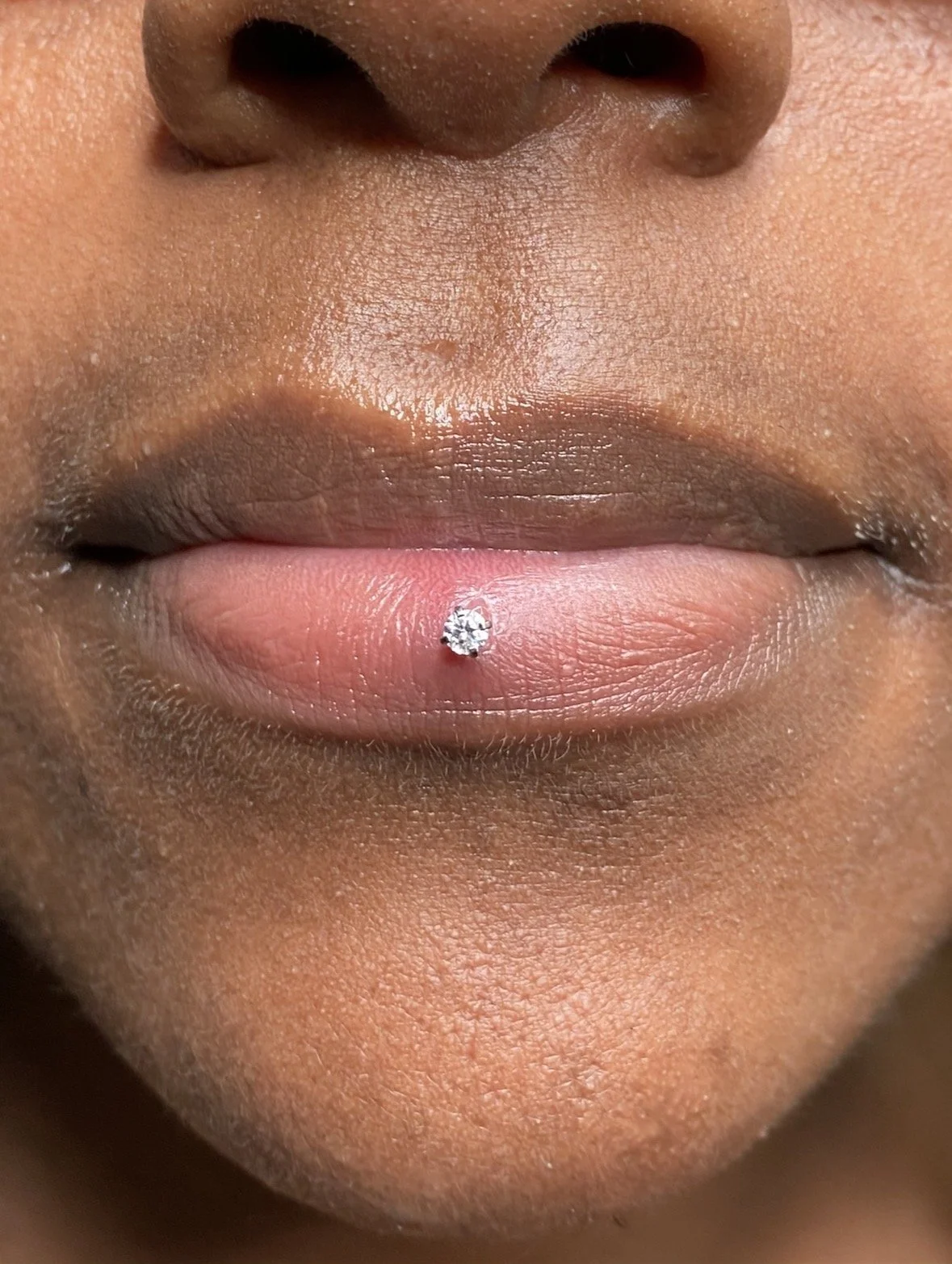
Getting your first body piercing is exciting, but it can also feel a little intimidating.
You may have dozens of questions racing through your mind.
Does it hurt?
How long does it take to heal?
What jewelry should I choose?
How do I know if a piercing studio is safe?
If you're searching for body piercing Atlanta or looking for advice before booking your first appointment, you're already taking the right approach. A little preparation goes a long way toward making the experience enjoyable and helping your new piercing heal properly.
Whether you're considering a simple earlobe piercing or something more adventurous like a nostril or navel piercing, this beginner's guide will walk you through the essentials so you can book your appointment with confidence.
What Should Beginners Know Before Getting a Body Piercing?
Before your appointment:
✔ Choose an experienced professional piercer.
✔ Select high-quality jewelry designed for fresh piercings.
✔ Understand the expected healing time.
✔ Follow aftercare instructions carefully.
✔ Be patient throughout the healing process.
Successful piercings are about much more than the few minutes spent in the chair. Good preparation and consistent aftercare make all the difference.
Why People Choose Body Piercings
Body piercings have existed for thousands of years across cultures around the world.
Today, people choose piercings for many different reasons, including:
Personal style
Self-expression
Cultural traditions
Milestone celebrations
Confidence
Fashion
Unlike temporary accessories, a professionally placed piercing becomes part of your personal style every day.
Popular Piercing Options for First-Time Clients
If this is your first piercing beyond standard earlobes, you may be surprised by how many options are available.
Earlobe Piercing
A classic starting point that suits almost everyone.
Earlobes generally heal faster than cartilage piercings and offer countless jewelry styles.
Helix Piercing
Located along the upper ear cartilage, helix piercings are popular for their clean, modern appearance.
Nostril Piercing
One of the most requested facial piercings in Atlanta, nostril piercings complement many face shapes and work well with studs or small hoops.
Septum Piercing
Placed through the soft tissue beneath the nasal cartilage, septum piercings offer both subtle and bold styling options.
Navel Piercing
A favourite for clients looking to accentuate their midsection, especially during warmer months.
Our article Navel Piercing vs Floating Navel: Which Is Right for Your Body Type? explains the differences between these two popular styles.
Choosing the Right Jewelry Matters
One of the biggest misconceptions among beginners is that all piercing jewelry is the same.
In reality, the material used during healing can significantly affect comfort and recovery.
Professional studios commonly recommend:
Implant-Grade Titanium
Lightweight, durable, and nickel-free, implant-grade titanium is one of the safest choices for fresh piercings.
Solid Gold
High-quality solid gold may also be appropriate for certain piercings when specifically designed for initial use.
Niobium
Another excellent option for clients with sensitive skin.
How Much Does a Piercing Hurt?
Pain is one of the most common concerns for first-time clients.
The truth is that everyone's pain tolerance is different.
Most people describe a piercing as:
Quick
Sharp
Brief
The actual piercing usually lasts only a few seconds.
Many clients later say the anticipation was more stressful than the procedure itself.
Understanding the Healing Process
Healing doesn't end when you leave the studio.
Your body immediately begins repairing the pierced tissue.
Healing times vary depending on the location.
Generally speaking:
Earlobes often heal sooner.
Cartilage piercings require more patience.
Navel piercings may take several months to mature completely.
The Association of Professional Piercers recommends following your piercer's aftercare instructions for the entire healing period, even if the piercing feels comfortable sooner.
Your First Appointment: What to Expect
If you've never visited a professional piercing studio before, the process may be simpler than you expect.
A typical appointment includes:
Consultation
Your piercer discusses placement, jewelry options, and any questions you have.
Preparation
The piercing area is cleaned, and the placement is carefully marked.
Piercing
Using sterile, single-use equipment, the piercer performs the procedure quickly and precisely.
Aftercare Instructions
Before leaving, you'll receive detailed guidance on cleaning, healing, and jewelry care.
A professional appointment should never feel rushed.
Aftercare Tips Every Beginner Should Follow
Consistent aftercare supports healthy healing.
General recommendations include:
✔ Wash your hands before touching the piercing.
✔ Clean only as instructed.
✔ Avoid unnecessary twisting or rotating the jewelry.
✔ Keep cosmetics and hair products away from healing piercings.
✔ Be patient.
Avoid changing jewelry before your piercer says it is safe.
Everyday Habits That Can Affect Healing
Many people focus only on cleaning the piercing.
Lifestyle habits matter too.
Sleeping
If you've had an ear piercing, sleeping directly on it may increase irritation.
Exercise
Sweat and friction may affect healing depending on the piercing location.
Swimming
Avoid pools, lakes, hot tubs, and other bodies of water during the early healing period because they may expose the piercing to bacteria.
Clothing
Choose clothing that doesn't constantly rub against healing piercings.
How to Choose a Professional Piercing Studio
When searching for body piercing Atlanta, don't base your decision on price alone.
Look for a studio that:
Maintains excellent hygiene
Uses sterile equipment
Provides implant-grade jewelry
Answers questions clearly
Has strong customer reviews
Prioritises client education
Questions You Should Ask Before Booking
A reputable piercer welcomes informed clients.
Consider asking:
What jewelry material do you recommend?
Is the jewelry sterile?
How long is the expected healing period?
What aftercare products should I use?
When can I change my jewelry?
Clear answers demonstrate professionalism and experience.
Common Beginner Mistakes
Avoid these common errors:
Touching the piercing unnecessarily
Changing jewelry too early
Sleeping directly on new ear piercings
Skipping aftercare
Choosing jewelry based only on appearance
Booking with the cheapest studio without researching reviews
Small mistakes can significantly delay healing.
Why Professional Experience Matters
Piercing is both a technical skill and an art.
An experienced piercer understands:
Anatomy
Jewelry sizing
Placement
Sterile procedures
Healing behaviour
Their knowledge helps reduce complications while creating a piercing that looks balanced and suits your anatomy.
FAQs
What is the best first body piercing?
Earlobe and nostril piercings are popular first choices because they suit many lifestyles and offer numerous jewelry options.
How do I prepare for my piercing appointment?
Eat beforehand, stay hydrated, wear comfortable clothing, and arrive with clean skin around the piercing area.
Does every piercing require the same aftercare?
The general principles are similar, but healing times and specific recommendations vary depending on the piercing location.
When can I change my jewelry?
Wait until your piercer confirms the piercing has healed sufficiently before replacing the initial jewelry.
How do I know if a piercing studio is professional?
Look for sterile procedures, implant-grade jewelry, knowledgeable staff, positive reviews, and clear aftercare instructions.
Final Thoughts
Your first body piercing is more than a fashion choice. It's an experience that combines personal expression with proper care and informed decision-making.
By choosing a reputable studio, investing in quality jewelry, and following professional aftercare advice, you'll give your new piercing the best opportunity to heal beautifully.
If you're planning your first body piercing in Atlanta, take your time researching studios, ask plenty of questions, and work with an experienced piercer who values both safety and craftsmanship.