
Why Professional Piercing Shops in Atlanta Never Reuse Jewelry: The Safety Standards Every Client Should Know
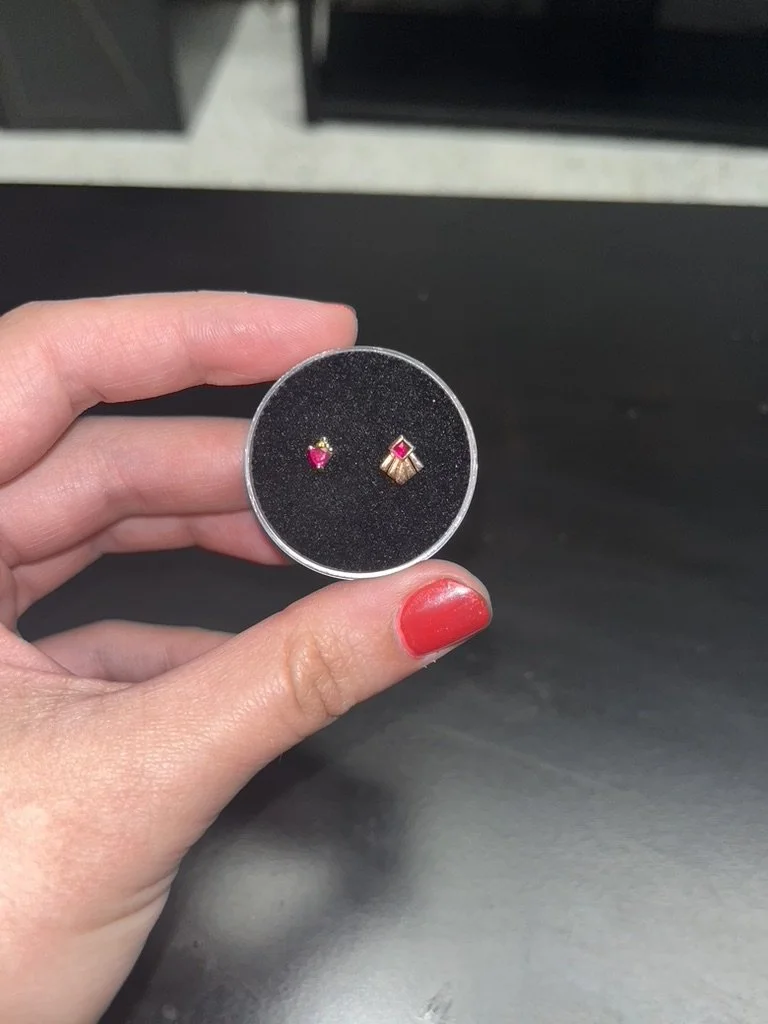
When you visit a professional piercing studio, you probably expect clean equipment, experienced piercers, and a sterile environment. But there's one important safety practice that often goes unnoticed by first-time clients:
Professional piercing shops never reuse jewelry that has already been worn or inserted into another person's body.
This may seem obvious, but many people are surprised to learn that piercing jewelry handling is just as important as using sterile needles. Even the highest-quality titanium or gold jewelry should never be transferred from one client to another after use.
If you've been searching for body piercing Atlanta or comparing professional studios, understanding why jewelry reuse is never acceptable can help you choose a studio that puts safety ahead of shortcuts.
Can Piercing Jewelry Be Reused?
No.
Professional piercing studios use new, sterilized jewelry for every client because reused jewelry may:
✔ Increase the risk of bacterial contamination
✔ Spread bloodborne pathogens if improperly handled
✔ Damage healing tissue
✔ Compromise sterilization standards
✔ Violate professional safety protocols
Reputable Atlanta piercing studios treat every procedure with the same level of care used in medical environments.
A Fresh Piercing Is an Open Wound
Many people think of a piercing as simply adding jewelry.
From a biological standpoint, it's much more than that.
Every new piercing creates a controlled wound that passes through healthy tissue. During the first several weeks, your body immediately begins repairing the area by:
Controlling bleeding
Reducing inflammation
Producing collagen
Building new tissue around the jewelry
Because the piercing is still healing, introducing contaminated jewelry dramatically increases the risk of complications.
Why Jewelry Cannot Simply Be "Cleaned"
One of the biggest misconceptions is that wiping jewelry with alcohol or disinfectant makes it safe for another person.
It doesn't.
Professional sterilization involves carefully validated procedures using medical-grade equipment such as an autoclave.
Even then, jewelry that has already been worn by another client is generally not reintroduced into inventory.
Professional studios eliminate uncertainty by using sterile piercing jewelry prepared specifically for each client.
Sterility Is About More Than Appearance
Jewelry can look perfectly clean while still carrying microorganisms invisible to the naked eye.
These may include:
Bacteria
Viruses
Fungi
Microscopic organic material
The Centers for Disease Control and Prevention explains that microorganisms capable of causing infection cannot be identified through visual inspection alone.
This is why professional studios rely on validated sterilization protocols instead of appearance.
How Professional Atlanta Studios Handle Jewelry
Experienced piercers follow strict procedures before every appointment.
Typically, jewelry is:
Individually selected
Properly sterilized
Stored in sterile packaging
Opened immediately before insertion
Many studios open the sterile package while the client is present, providing reassurance that the jewelry has not previously been used.
This transparency helps build trust.
Implant-Grade Materials Are the Industry Standard
Professional studios in Atlanta often recommend jewelry manufactured from biocompatible materials specifically designed for new piercings.
Common options include:
Implant-Grade Titanium
Titanium is one of the most popular choices because it is:
Lightweight
Corrosion resistant
Nickel-free
Highly biocompatible
It is frequently recommended for clients with sensitive skin.
Solid Gold
High-quality solid gold may also be appropriate for certain piercings when manufactured to professional standards.
Not all gold jewelry is suitable for fresh piercings, so proper quality matters.
Niobium
Niobium offers another hypoallergenic option for clients seeking safe initial jewelry.
Our guide Best Jewelry Metals for New Piercings in Atlanta's Urban Environment explains these materials in greater detail.
Why Cheap Jewelry Can Create Problems
Lower-quality jewelry may contain alloys that irritate healing tissue.
Potential issues include:
Allergic reactions
Increased inflammation
Delayed healing
Discoloration
Surface imperfections that trap bacteria
Professional piercers choose jewelry based not only on appearance but also on long-term healing performance.
Jewelry Is Sized Specifically for Healing
Another reason studios use new jewelry is that every client requires different sizing.
Professional piercers consider:
Tissue thickness
Swelling
Piercing placement
Individual anatomy
Using improperly sized jewelry can increase pressure, movement, or irritation during healing.
This personalized approach is impossible when reusing previously worn jewelry.
Sterile Needles Deserve Sterile Jewelry
Clients often ask whether needles are sterile.
The answer should always be yes.
However, the same expectation applies to the jewelry itself.
Professional body piercing is built around a complete sterile chain that includes:
Sterile gloves
Sterile needles
Sterile jewelry
Sterile work surfaces
Breaking any part of that chain increases unnecessary risk.
Reputable Studios Invest in Client Safety
Using new jewelry for every client costs more.
Professional studios gladly accept that expense because safety is part of their reputation.
Investments include:
Medical-grade sterilization equipment
Single-use supplies
High-quality jewelry
Staff training
Infection-control procedures
These costs help protect both clients and piercers.
Questions You Should Feel Comfortable Asking
Professional piercers welcome informed clients.
Before your appointment, consider asking:
Is the jewelry implant grade?
Will the jewelry be opened in front of me?
How is it sterilized?
Is this appropriate for my anatomy?
What aftercare do you recommend?
A knowledgeable piercer should answer these questions confidently.
How Jewelry Quality Affects Healing
Healing depends on many factors, including:
Overall health
Piercing technique
Aftercare
Jewelry quality
High-quality jewelry creates a stable environment that allows tissue to recover with less irritation.
This is especially important for:
Nostril piercings
Septum piercings
Navel piercings
Ear cartilage piercings
Our article Advanced Nose Piercing Guide: Septum vs Nostril in Atlanta Studios discusses how anatomy and jewelry selection work together.
What Health Inspectors Expect
Health inspectors evaluate far more than visible cleanliness.
Professional piercing studios are expected to maintain strict infection-control procedures involving:
Sterile equipment
Proper jewelry handling
Surface disinfection
Safe waste disposal
Hand hygiene
Warning Signs to Watch For
Consider asking additional questions if a studio:
Cannot explain its sterilization process
Uses loose jewelry stored without sterile packaging
Reuses disposable supplies
Appears disorganized
Avoids discussing hygiene procedures
Professional studios appreciate clients who care about safety.
Why Experience Matters
Experienced piercers understand that jewelry is not simply decorative.
It becomes part of the healing environment for weeks or even months.
Choosing the correct material, size, and sterile preparation significantly influences:
Comfort
Healing speed
Long-term appearance
Overall piercing success
FAQs
Can piercing jewelry ever be reused?
Jewelry that has already been worn by another client should never be reused for a new piercing. Professional studios use sterile jewelry prepared specifically for each client.
Is sterilized jewelry different from clean jewelry?
Yes. Sterile jewelry has undergone validated sterilization procedures designed to eliminate microorganisms. Clean-looking jewelry is not necessarily sterile.
Why do professional studios use implant-grade titanium?
Implant-grade titanium is highly biocompatible, lightweight, corrosion resistant, and free of nickel, making it an excellent option for healing piercings.
Can I bring my own jewelry for a new piercing?
Some studios may evaluate client-provided jewelry, but many recommend using professionally supplied implant-grade jewelry that meets their sterilization standards.
Should my piercer open the jewelry package in front of me?
Many professional studios do exactly that to demonstrate that the jewelry is sterile and prepared specifically for your procedure.
Final Thoughts
Choosing a professional piercing studio means choosing a team that values your health as much as your new look.
In reputable studios across Atlanta, every piece of jewelry used for a fresh piercing is selected, sterilized, and prepared with safety in mind. Reusing jewelry simply has no place in modern professional piercing practices.
If you're planning your next body piercing, don't hesitate to ask about jewelry materials, sterilization procedures, and aftercare recommendations. A trustworthy piercer will welcome your questions and help you make informed decisions from the moment you walk through the door.