
What Is the Best Age to Get Your First Tattoo?
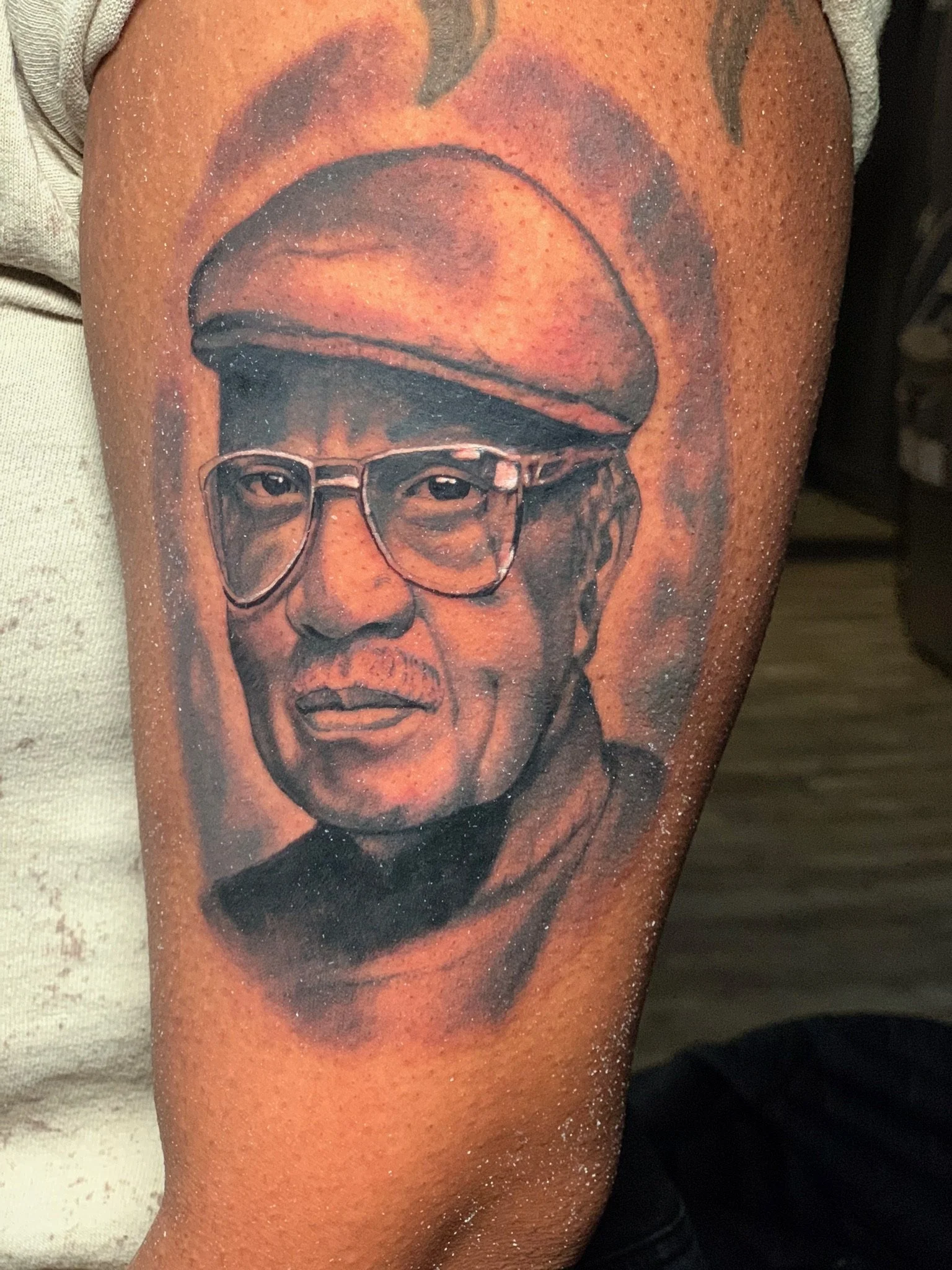
There is no universal age when someone suddenly becomes ready for their first tattoo.
For some people, the decision feels right as soon as they reach the legal age. Others wait until their 20s, 30s, 40s, or later because they want more certainty about the design, placement, or meaning behind it.
The more useful question is not simply, "How old should I be?"
It is:
"Am I old enough, legally allowed, and personally ready to live with this design for years?"
For anyone considering a first tattoo in Atlanta, age is only one part of the decision. Design permanence, skin condition, lifestyle, finances, placement, artist selection, and expectations can all matter.
What Age Can You Legally Get a Tattoo in Georgia?
Georgia has specific laws governing tattooing and tattooing minors.
Georgia law generally prohibits tattooing a person under 18, subject to limited statutory exceptions. Tattoo artists and studios must also follow applicable state and local health requirements.
Because laws and regulations can change, anyone planning a tattoo should verify the current requirements through the Georgia Department of Public Health's Body Art Program before making an appointment.
For adults, the legal question is much simpler. The bigger question becomes personal readiness.
Is 18 a Good Age to Get Your First Tattoo?
Turning 18 means reaching the legal age for tattooing in Georgia, but legal eligibility and personal readiness are not the same thing.
At 18, someone may already have a design they have wanted for years.
Another person may still be figuring out their personal style, career plans, interests, and preferred aesthetics.
Neither situation automatically makes a first tattoo a good or bad decision.
Before booking an appointment at a tattoo shop in Atlanta, ask yourself:
Have I wanted this design for a significant amount of time?
Would I still like it if nobody else saw it?
Have I researched the artist?
Do I understand where the tattoo will be placed?
Have I considered how that placement fits my work or lifestyle?
Can I afford a professional tattoo without choosing based solely on price?
Have I considered the permanent nature of tattooing?
If you can answer these questions thoughtfully, age becomes only one piece of the decision.
Why Waiting Can Sometimes Be Useful
Waiting does not automatically make a tattoo better.
But additional time can reveal whether an idea is a lasting preference or simply something connected to a particular moment.
This matters because tattoos are permanent.
A design that feels perfect during one trend cycle may not have the same appeal several years later.
That is especially relevant for first tattoos.
Instead of asking, "Is this tattoo popular right now?" consider asking:
"Would I still choose this design if the trend disappeared tomorrow?"
That question can help separate personal taste from temporary influence.
The FDA also recommends thinking carefully before getting tattooed because tattooing permanently places ink into the skin. Its consumer guidance covers tattoo safety, inks, allergic reactions, infection concerns, and other considerations worth understanding before your appointment. You can review the FDA's tattoo safety guidance before making your decision.
Your First Tattoo Does Not Have to Have a Deep Meaning
One common misconception is that every first tattoo needs to represent something profound.
It doesn't.
A tattoo can commemorate a person or event. It can represent a personal belief. It can simply be artwork you enjoy looking at.
The important part is understanding what you are choosing.
A first tattoo does not need an elaborate explanation to be meaningful to you.
At the same time, choosing a design solely because it is currently viral can be worth reconsidering if you are uncertain about its long-term appeal.
If you already have an idea but aren't sure how to turn it into something that works on your body, exploring custom tattoos in Atlanta can be a better starting point than simply copying an image from social media.
Does Your Age Affect How a Tattoo Ages?
Age itself is not the main factor determining how a tattoo will look years later.
Skin naturally changes throughout life. Sun exposure, aging, weight fluctuations, placement, tattoo size, pigment, line thickness, and aftercare can all influence how a tattoo changes over time.
The American Academy of Dermatology discusses several factors involving tattooed skin and recommends protecting tattoos from the sun as part of general skin care. See the American Academy of Dermatology's tattoo and piercing guidance for additional information.
Some body areas also experience more friction or movement than others.
Hands, fingers, feet, elbows, knees, and other high-use areas can present different challenges than areas with less daily friction.
This is one reason experienced Atlanta tattoo artists may discuss placement and design together rather than treating them as separate decisions.
A design that works beautifully on one part of the body may need to be modified for another.
Is Your First Tattoo Better When You Are Older?
Not necessarily.
Being older does not automatically mean you will choose a better tattoo.
However, older clients may have a clearer understanding of their personal style, career environment, lifestyle, and long-term preferences.
Someone in their 30s or 40s might approach their first tattoo differently from someone who is 18.
That does not make one approach inherently better.
The key difference may simply be how much thought the individual has put into the decision.
There is also no requirement that your first tattoo happened in your teens or early 20s.
Plenty of people choose their first tattoo later in life.
What About Getting a Tattoo in Your 30s, 40s, or 50s?
There is no expiration date on getting your first tattoo.
Adults who decide to get tattooed later in life may have a clearer idea of what they want.
They may also have specific considerations involving:
Existing tattoos
Skin changes
Sun exposure
Scarring
Medications
Work requirements
Design preferences
Tattoo placement
Healing expectations
Skin condition can also matter.
If you have a mole, unusual skin lesion, scar, or other area you are concerned about, discuss it with a qualified healthcare professional before having that area tattooed.
A professional tattoo artist can help identify practical placement concerns, but they should not diagnose skin conditions.
The Best First Tattoo Age May Depend on Your Lifestyle
Imagine two people who are both legally old enough to get tattooed.
One has researched artists, saved enough money for professional work, knows exactly what design they want, and has considered placement carefully.
The other is choosing a design the night before because friends are getting matching tattoos.
Their ages could be identical.
Their level of preparation is not.
This is why readiness can be more useful than a specific birthday when thinking about your first tattoo.
What Should You Consider Before Getting Your First Tattoo?
1. The Design
Do not choose a design simply because you found it on social media.
Use references to communicate what you like, but give your tattoo artist room to create something appropriate for your body.
A good first-tattoo consultation should help translate an idea into a design that works with the intended placement.
If you're still gathering inspiration, look at different tattoo styles in Atlanta and consider which styles actually match your personal taste.
2. The Artist
Look beyond the number of followers an artist has.
Review their portfolio and look for consistency in the specific style you want.
Realism, fine line, traditional, blackwork, colour work, lettering, and other styles require different approaches.
The artist's portfolio should give you a reasonable idea of the type of work they regularly produce.
3. The Placement
Think beyond how the tattoo looks in a photograph.
Consider:
Clothing
Workplace requirements
Sun exposure
Friction
Movement
Future tattoos
Visibility
Your first tattoo may eventually become part of a larger collection, so placement deserves some thought.
4. The Price
The cheapest tattoo is not necessarily the least expensive decision in the long run.
Poor-quality work can lead to cover-ups, corrections, or removal attempts.
Professional tattooing involves more than ink and a needle. Studio hygiene, artist experience, equipment, time, and design work all contribute to the cost.
Before your appointment, review tattoo pricing in Atlanta and understand what factors can influence the final price.
5. The Healing Process
A tattoo is an intentional injury to the skin.
Your artist should provide specific aftercare instructions and explain what to expect during healing.
The Mayo Clinic provides general information about tattoo and piercing risks, including infection and allergic reactions. Its tattoos and piercings guide is another useful resource to review before getting tattooed.
Following your artist's aftercare instructions can help protect the quality of the finished tattoo.
Should You Get Your First Tattoo Alone or With Friends?
Getting a tattoo with friends can be a memorable experience.
But your friends should not be the reason you choose a tattoo you are uncertain about.
If everyone is getting matching tattoos, ask yourself whether you would still want yours if the group idea disappeared.
The same applies to social media trends.
Your first tattoo is going on your body, not your friends' bodies or your social media feed.
If you're ready to move forward, a first tattoo consultation can give you an opportunity to discuss your design, placement, and expectations before committing to the final artwork.
What Is a Good First Tattoo Size?
There is no universal "best" size for a first tattoo.
Small tattoos can be appropriate for simple designs.
However, making a tattoo extremely small does not automatically make it easier or better.
Very fine details need enough room to remain visually clear as the tattoo ages.
A skilled artist can help determine whether your chosen design needs to be simplified, enlarged, or repositioned.
This is especially important when using lettering, tiny symbols, portraits, or detailed artwork.
Is It Better to Start With a Small Tattoo?
Starting small can make sense for someone who is nervous about the experience.
It can give a first-time client an opportunity to understand:
What the tattoo process feels like
How their skin reacts
What healing is like
How they feel about permanent body art
How they communicate with an artist
But "small" should not be treated as a universal rule.
If a larger design is what you genuinely want, choosing a tiny tattoo simply because it is your first may eventually leave you wishing you had planned differently.
How Do You Know You Are Ready for Your First Tattoo?
Consider using the one-year test.
You do not necessarily have to wait an entire year before getting tattooed.
Instead, ask:
Would I still choose this design if I had been thinking about it for a year?
If the answer is yes, that is useful information.
You can also save the design somewhere and revisit it after a few weeks.
If you repeatedly come back to the same concept, that may tell you more about your preference than an impulsive decision made during a single evening.
When Should You Wait Before Getting Tattooed?
Waiting can be sensible when:
You are unsure about the design
You are choosing it because of peer pressure
You have not researched the artist
You are selecting an artist solely because they are cheap
You have not considered the placement
You are hiding the tattoo from someone because you fear the consequences
You have an upcoming event where healing could be inconvenient
Your skin is irritated or injured in the intended area
You have concerns about a mole, lesion, scar, or other skin condition
Waiting does not mean you are giving up on the tattoo.
Sometimes it simply gives you time to make a more informed decision.
What Makes a First Tattoo Experience Better?
The goal should not be to find the "perfect age."
Instead, focus on making a well-considered decision.
For an Atlanta first-timer, that can mean finding a professional studio, researching the artist's portfolio, discussing the design and placement during a consultation, understanding the healing process, and choosing artwork you genuinely want.
A first tattoo can be exciting without being rushed.
And you do not need to have your entire tattoo collection planned before getting your first piece.
First Tattoo Checklist
Before your appointment, make sure you have thought through:
Design
Do I genuinely like the design?
Have I considered how it will look on my body?
Artist
Does the artist regularly work in the style I want?
Have I reviewed completed examples?
Placement
Is this location appropriate for my lifestyle?
Have I considered future tattoos?
Timing
Can I give the tattoo enough time to heal?
Do I have travel, swimming, sports, or other activities coming up?
Budget
Am I choosing the artist based on quality rather than price alone?
Readiness
Would I still want this tattoo if nobody else knew about it?
If the answer to those questions is yes, you are approaching the decision thoughtfully.
So, What Is the Best Age to Get Your First Tattoo?
There is no single "perfect" age.
For legal purposes, Georgia has specific requirements governing tattooing minors. For adults, the more important consideration is personal readiness.
An 18-year-old who has carefully researched their design, artist, placement, and aftercare may be more prepared than someone twice their age who makes an impulsive decision.
Your first tattoo should be something you have had time to consider, understand, and genuinely want.
If you are planning your first tattoo in Atlanta, take the time to research the artist, discuss your idea during a consultation, and choose a design that works for your body rather than simply following the latest trend.
Frequently Asked Questions
What is the best age to get your first tattoo?
There is no universal best age. In Georgia, legal requirements are important, but personal readiness also matters. The right time is when you are legally eligible and have carefully considered the design, artist, placement, cost, and long-term commitment.
Can you get a tattoo at 18 in Georgia?
Georgia law generally prohibits tattooing people under 18, subject to limited statutory exceptions. Adults should still choose a professional studio that follows applicable Georgia health and safety requirements. Check the Georgia Department of Public Health Body Art Program for current regulations.
Is 18 too young for a first tattoo?
Not necessarily. Age alone does not determine whether someone is ready for a tattoo. Consider how long you have wanted the design, why you want it, where you want it, and how comfortable you are with its permanence.
Is 25 a good age to get your first tattoo?
There is no special tattoo milestone at 25. Someone who gets their first tattoo at 25 may have a clearer idea of their personal style and lifestyle, but readiness varies between individuals.
Is it too late to get your first tattoo after 40?
No. Adults can choose to get their first tattoo later in life. Skin condition, health considerations, medications, placement, and tattoo design should be discussed as appropriate before the appointment.
Should I wait before getting my first tattoo?
Waiting can be useful if you are uncertain about the design, artist, placement, or reason for getting tattooed. Giving yourself time to reconsider can help distinguish a lasting preference from a temporary impulse.
What is the best first tattoo for beginners?
There is no single best first tattoo. A good starting point is a design that fits your personal taste, works with the chosen body area, and can be executed appropriately by an experienced artist.
Should my first tattoo have a meaning?
No. A tattoo does not need a deep personal meaning. It can represent something important to you or simply be artwork you enjoy.