
The Difference Between a Fashion Piercing and a Professionally Planned Piercing
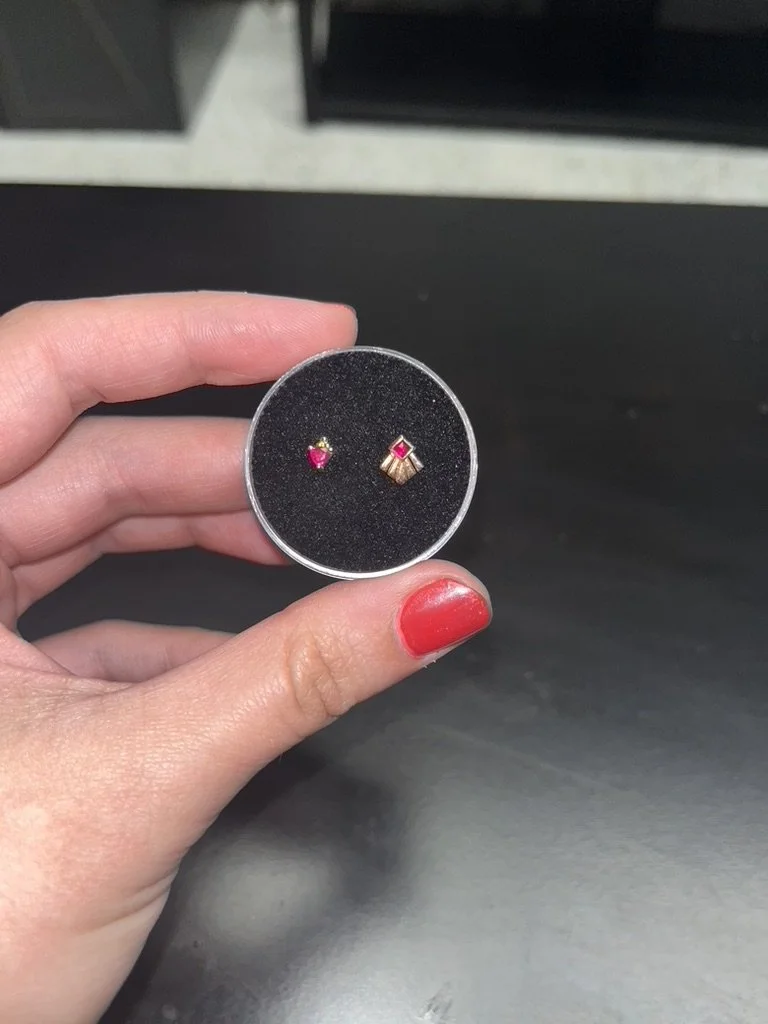
Piercings have become an important part of personal style, from delicate ear arrangements to bold facial jewelry. Social media trends, celebrity looks, and changing fashion preferences have made it easier than ever to find inspiration for a new piercing. However, the appearance of a piercing is only one part of the decision.
A piercing chosen primarily for its appearance may not account for individual anatomy, jewelry fit, healing requirements, or the long-term effects of placement. A professionally planned piercing considers these factors before the procedure begins.
For people exploring body piercing in Atlanta, understanding the difference can help them make informed choices that balance personal expression with comfort, safety, and long-term wearability.
What Is Fashion Piercing?
A fashion piercing is generally chosen because of its visual appeal or its connection to a particular style or trend. Someone might see a particular ear arrangement online, admire a celebrity's nose jewelry, or want to recreate a specific look.
There is nothing inherently wrong with choosing a piercing for aesthetic reasons. Personal expression is one of the main reasons people get pierced. The distinction lies in how the decision is evaluated before the piercing takes place.
A trend-driven decision may focus on questions such as:
Does the piercing complement a particular outfit or style?
Does the jewelry match other accessories?
Is the placement popular on social media?
Will the piercing create a particular visual effect?
These questions can help someone define the look they want. However, they do not address every factor that affects the outcome.
A piercing that looks suitable on another person may not be appropriate for a different person's anatomy. Ear shape, tissue thickness, facial structure, and the available space for jewelry can all influence placement.
A fashion reference is best treated as inspiration rather than a precise template.
What Makes a Piercing Professionally Planned?
A professionally planned piercing combines aesthetic goals with an assessment of anatomy, suitable jewelry, procedural hygiene, and aftercare requirements.
Before recommending a placement, a qualified piercer should examine the intended area and explain the practical considerations involved. The goal is not simply to reproduce a picture. It is to determine whether the desired result can be achieved in a way that suits the individual.
1. Placement Is Based on Individual Anatomy
Anatomy is one of the most important differences between a trend-led piercing and a carefully planned one.
For example, an ear piercing arrangement that looks balanced on one person may appear crowded on someone with a different ear shape. Certain placements also require sufficient tissue and appropriate anatomical structures to support the jewelry.
A professional assessment helps identify whether a proposed piercing is suitable for the intended location. If the anatomy does not support the original idea, an experienced piercer may suggest an alternative position or explain why another piercing would be more appropriate.
This is particularly important for cartilage piercings, where placement and tissue characteristics can affect healing and the likelihood of complications.
Aesthetic preferences still matter, but they should be considered alongside the physical characteristics of the piercing site.
2. Jewelry Selection Goes Beyond Appearance
Jewelry influences both the appearance of a piercing and how it feels during healing.
A piece may look attractive but have an unsuitable length, diameter, thickness, or design for the intended placement. Jewelry that is too tight can put pressure on tissue, while an inappropriate shape may increase friction or irritation.
Material quality also matters. Jewelry intended for an initial piercing should be suitable for body use, with attention to material composition, surface finish, and manufacturing quality.
The Association of Professional Piercers provides guidance on initial piercing jewelry standards, including considerations involving material quality and jewelry construction.
A professional piercer can explain which jewelry options are appropriate for the specific piercing and why a particular design may be better suited to healing than another.
The most decorative option is not always the most practical choice for a fresh piercing. Jewelry can often be changed after healing, depending on the piercing and professional advice.
3. Healing Time Is Part of the Decision
Fashion inspiration often emphasizes the finished look, but a new piercing requires a healing period that can last weeks or months, depending on its location and the individual's healing response.
Earlobe piercings generally heal faster than many cartilage piercings. Nose, lip, and other body piercings also have their own healing requirements.
During healing, the area may experience temporary tenderness, swelling, or mild localized redness. Excessive irritation, pressure, and unnecessary handling can interfere with recovery.
A professionally planned piercing includes a discussion of the expected healing process and the care required during that period. This helps the person understand the commitment before proceeding.
The Association of Professional Piercers' aftercare recommendations explain general practices for caring for a healing piercing, including minimizing unnecessary handling and following appropriate cleaning guidance.
For anyone considering a new piercing in Atlanta, healing should be part of the decision from the beginning, especially if work, sports, travel, or daily activities could affect the area.
4. Placement Should Account for Everyday Activities
A piercing can look excellent in a photograph but become inconvenient if its position repeatedly catches on clothing, interferes with equipment, or experiences constant pressure.
For example, headphones, helmets, sleeping positions, and certain hairstyles may place pressure on ear piercings. Facial jewelry can also interact with makeup, shaving, or other personal-care routines.
A professional consultation gives the piercer an opportunity to discuss these practical details before selecting a placement.
This does not mean every possible inconvenience can be predicted. It means the decision should account for how the piercing will fit into daily life, not just how it will look immediately after the procedure.
People who participate in contact sports or activities that require protective equipment should discuss those circumstances before getting pierced.
5. A Professional Plan Includes Hygiene and Risk Awareness
A carefully planned piercing involves more than selecting a location and inserting jewelry. The procedure should take place in an environment that follows applicable public health requirements and appropriate infection-prevention practices.
Clients can ask about hand hygiene, sterilization of reusable instruments, sterile single-use supplies where appropriate, and procedures for preventing cross-contamination.
In Georgia, body art businesses should follow applicable state and local requirements. The Georgia Department of Public Health's body art guidance provides information about body art regulation and public health considerations.
A professional should also explain relevant risks, including infection, allergic reactions, irritation, scarring, and the possibility that a piercing may not heal as expected.
No piercing is entirely risk-free. Good hygiene and appropriate planning help reduce preventable risks, but they cannot guarantee a complication-free result.
Why Social Media Piercing Trends Need Individual Assessment
Online images can be useful for identifying preferred jewelry, placement ideas, and overall styling. However, photographs rarely show the full process behind a successful piercing.
An image usually does not reveal the person's anatomy, the type of jewelry initially used, the healing timeline, or whether the piercing required adjustments during recovery.
Lighting, camera angles, and digital editing can also affect how a piercing appears.
Copying a placement exactly may therefore create unrealistic expectations. Two people can choose the same general piercing style and still need different placement decisions.
Instead of asking for an exact copy of a trend, a person can bring reference images to a consultation and explain which features they like. These might include spacing, symmetry, jewelry size, or how multiple piercings work together.
A qualified piercer can then assess which elements are achievable for the individual's anatomy and discuss suitable alternatives where necessary.
How to Prepare for a Piercing Consultation in Atlanta
A consultation is an opportunity to evaluate the proposed piercing before making a final decision. It should allow enough time to discuss the desired appearance, placement, jewelry, healing, and possible complications.
People considering body piercing in Atlanta can prepare by following a few practical steps.
Bring inspiration images. Reference photographs can help communicate a preferred aesthetic. They should guide the discussion rather than dictate the exact placement.
Ask about anatomical suitability. Find out whether the proposed location is appropriate for the individual's anatomy and what alternatives may be available.
Discuss jewelry options. Ask about materials, dimensions, fit, and the type of jewelry recommended for initial healing.
Understand the aftercare process. Request clear instructions and ask what signs may indicate irritation or infection.
Consider the timing. A new piercing may be inconvenient before swimming, contact sports, travel, or activities that make consistent aftercare difficult.
Speak up about concerns. A consultation should allow questions about discomfort, healing, scarring, allergies, and other relevant factors.
People researching local options can review piercing services in Atlanta to learn more about available piercing services and prepare questions before an appointment.
Can a Fashion Piercing Still Be Professionally Planned?
Absolutely. Fashion and professional planning are not competing ideas.
Someone can choose a piercing because it is fashionable, expressive, subtle, bold, or personally meaningful. The professional planning process helps determine how that preference can be translated into a suitable piercing.
For example, a person interested in a curated ear may want several piercings that create a coordinated appearance. A planned approach considers spacing, anatomy, jewelry compatibility, and the fact that multiple healing piercings can require additional care.
Likewise, someone who wants a particular nose piercing can use a reference image to communicate the desired look while allowing the piercer to assess the individual's anatomy and jewelry needs.
The important distinction is not the reason for wanting a piercing. It is whether the final decision accounts for the practical and health-related factors that influence the experience.
A fashionable result can still be carefully planned. In fact, thoughtful planning may make it easier to achieve a look that remains comfortable and visually balanced over time.
The Bottom Line
A fashion piercing begins with an aesthetic idea. A professionally planned piercing develops that idea through an assessment of anatomy, jewelry suitability, hygiene, healing, and everyday activities.
Neither personal style nor professional guidance needs to be sacrificed. The strongest decisions bring them together.
For people considering a piercing in Atlanta, reference images can help communicate a preferred look, but individual assessment should guide the final placement. Understanding jewelry requirements, following appropriate aftercare, and asking questions before the procedure can help set realistic expectations and reduce avoidable risks.
A piercing is a personal form of expression, and a well-informed decision makes room for both creativity and responsible care.
Frequently Asked Questions
1. What is the difference between a fashion piercing and a professionally planned piercing?
A fashion piercing is often inspired by appearance or current trends. A professionally planned piercing also considers anatomy, placement, jewelry fit, hygiene, healing, and the person's daily activities. A piercing can be fashionable and professionally planned at the same time.
2. Can every person get the same type of piercing?
No. Individual anatomy affects the suitability of different piercing locations. A qualified piercer should assess the area and explain whether the proposed placement is appropriate or if an alternative would be more suitable.
3. Does jewelry choice affect piercing healing?
Yes. Jewelry dimensions, design, material, and fit can influence pressure, friction, and irritation. Jewelry suitable for initial healing should be selected with professional guidance rather than based on appearance alone.
4. How long does a new piercing take to heal?
Healing time depends on the piercing location, individual healing response, jewelry, and aftercare. Earlobe piercings often heal faster than cartilage piercings, which may take several months or longer. A piercer can explain the expected timeline for the specific placement.
5. Should someone bring social media pictures to a piercing consultation?
Yes. Reference images can help communicate a preferred style, jewelry size, or arrangement. However, the final placement should be based on the person's anatomy and professional assessment rather than an exact copy of another person's piercing.
Medical Disclaimer
This article is intended for general educational purposes and is not a substitute for medical advice. Piercing risks and healing experiences vary by individual and piercing location. Anyone experiencing persistent swelling, increasing pain, spreading redness, unusual discharge, or fever should seek medical evaluation. Do not remove jewelry from a potentially infected piercing without advice from a qualified healthcare professional.